
September 12, 2023, 8:56 am | Read time: 5 minutes
Choosing to plant low-water plants in your garden offers two advantages: It saves hobby gardeners water and a lot of time and effort.
Saving water is always a good idea. However, it’s difficult to do without it in the garden. Plants alone consume a lot and cannot survive without water. Those who want a green, blooming garden but still aim for low water consumption can opt for the following plants. These perennials, ground covers, and shrubs thrive without regular watering.
Table of Contents
Perennials That Require Little Water
1. Russian Sage (Perovskia atriplicifolia)
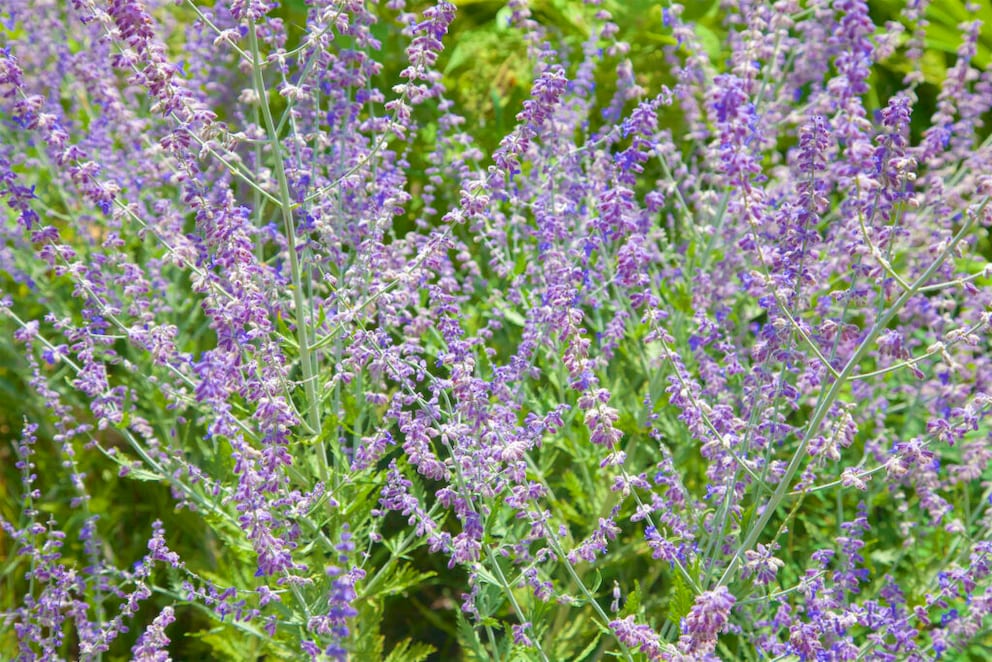
Undoubtedly, Russian Sage is one of the easier plants to care for in the garden. The perennial requires not only little water but also no fertilization. An ideal location is sunny with nutrient-rich, loose, and dry soil. From August to September, the semi-shrub displays its pretty violet and blue flowers, which are particularly popular with insects like bees, bumblebees, and butterflies.
2. Mullein (Verbascum)
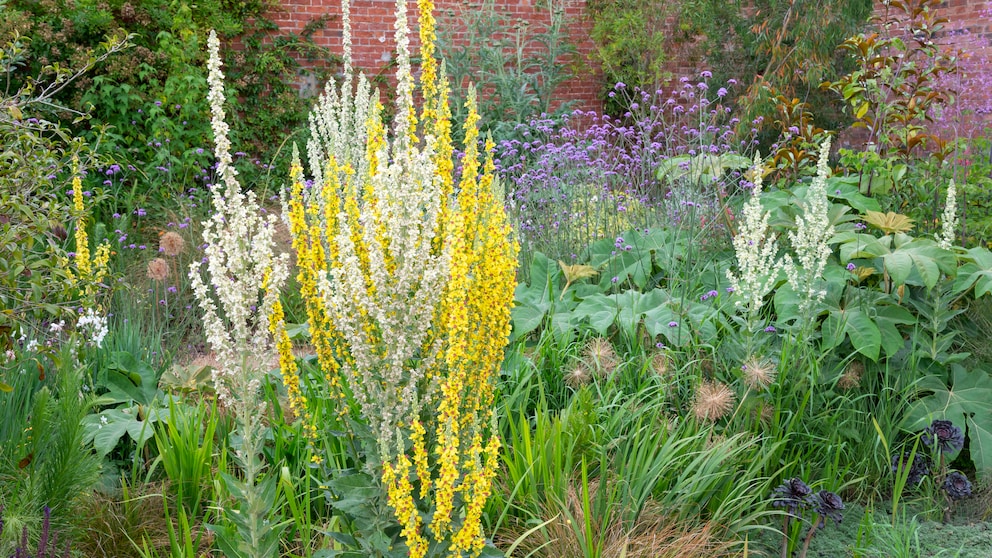
The Mullein not only has a regal name but also boasts equally regal blooms. Despite its beautiful flowers from June to August, the plant manages well with little water. Waterlogging and moist soils can even become problematic. For this reason, hobby gardeners should water Mullein sparingly.
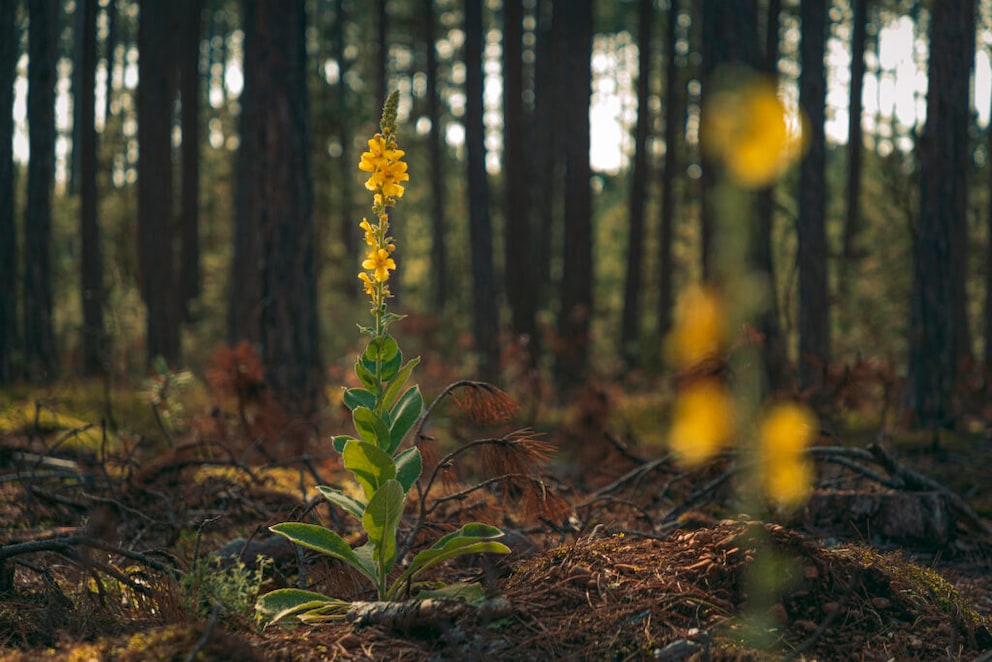
The ideal location in the bed is sunny and warm, and the soil should be low in nutrients. Fertilizer is generally not necessary.
Also interesting: Designing a barrier-free garden – making it accessible for everyone
3. Peonies (Paeonia)
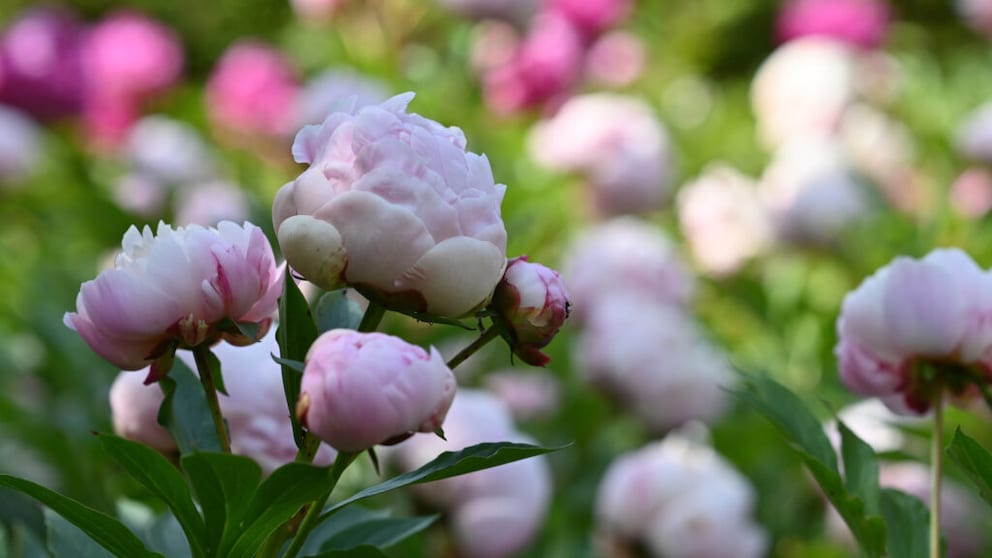
It’s hard to believe that plants with such magnificent blooms require little watering. Peonies have long, deep-reaching roots that access water reserves in deeper soil layers. This doesn’t apply if peonies are planted in containers. As for location, both in the bed and in pots, a sunny spot should be chosen.
Also interesting: 5 tips to save water in the garden

6 Hardy Perennials for the Garden
8 Low-Maintenance Plants for Your Balcony
Ground Covers That Need Rare Watering
4. Dalmatian Bellflower (Campanula portenschlagiana)
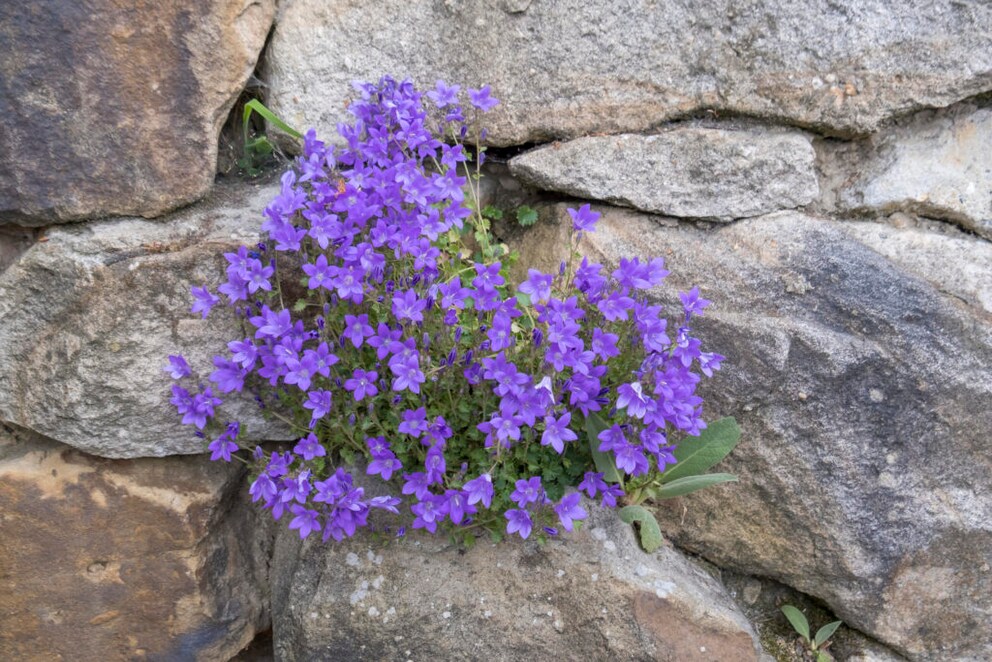
With proper care, Dalmatian Bellflowers look like blue-violet flower cushions. The ground cover is quite undemanding. For example, it hardly needs watering in the garden bed. The plant thrives best in a rock garden with plenty of sun. Here, the soil is usually ideal – anything but heavy and wet.
5. Snow-in-Summer (Cerastium)
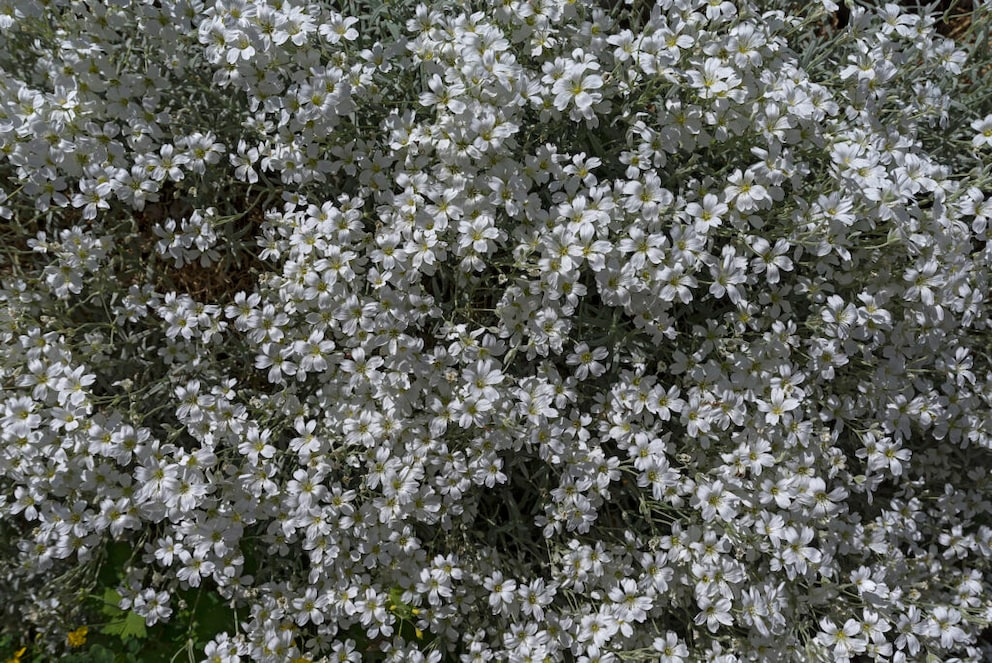
Snow-in-Summer produces white, star-shaped flowers in May and June. Similar to the Dalmatian Bellflower, this ground cover also thrives in a warm and sunny spot in the bed. The soil should be permeable and low in nutrients. Mature plants manage well with little water and tolerate short dry periods without issues.
Also interesting: Can I water my garden with pool water?
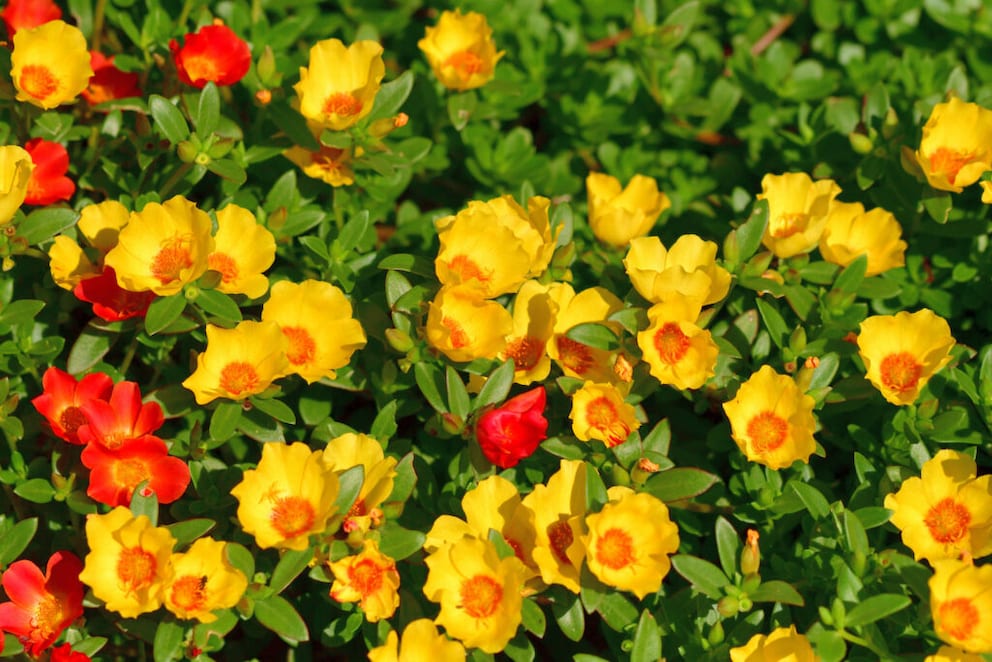
6. Moss Rose (Portulaca grandiflora)
Succulents are known for thriving with little water, and Moss Rose is no exception. The plant can be well cultivated in rock gardens. Plenty of sun is essential, as it originates from South America. Incidentally, Moss Rose also requires little water in containers, as its thick, fleshy leaves serve as water storage.
Shrubs That Require Little Water
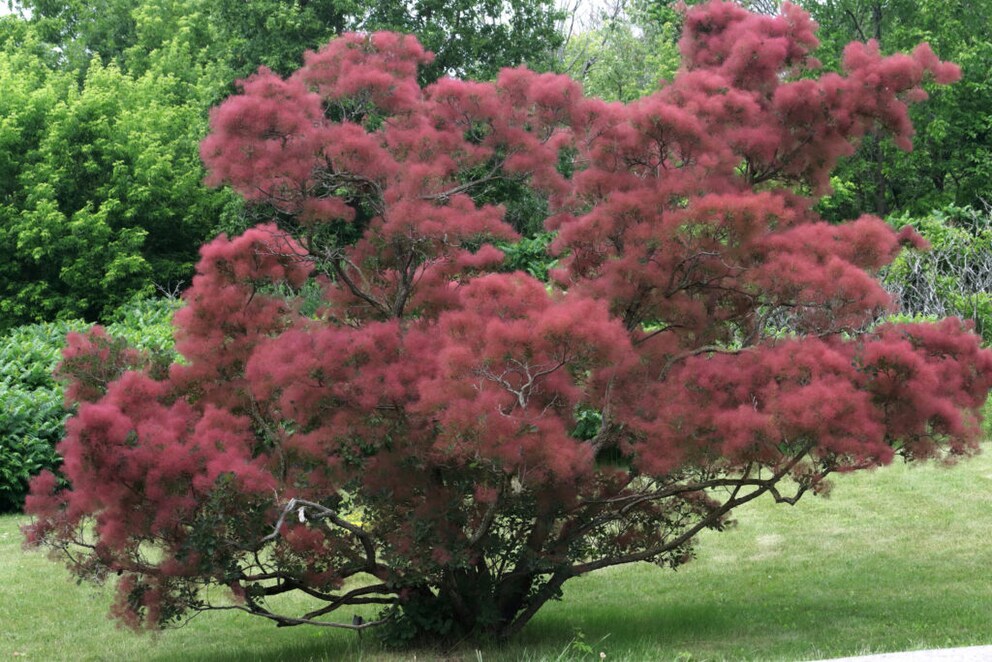
7. Smokebush (Cotinus coggygria)
Another plant that manages well with little water is the Smokebush. The shrub is quite easy to care for. It requires little water, and fertilization is unnecessary. A full-sun location is no problem for the Smokebush. Even when pruning, hobby gardeners don’t need to be overly cautious, as it is quite tolerant of cutting.
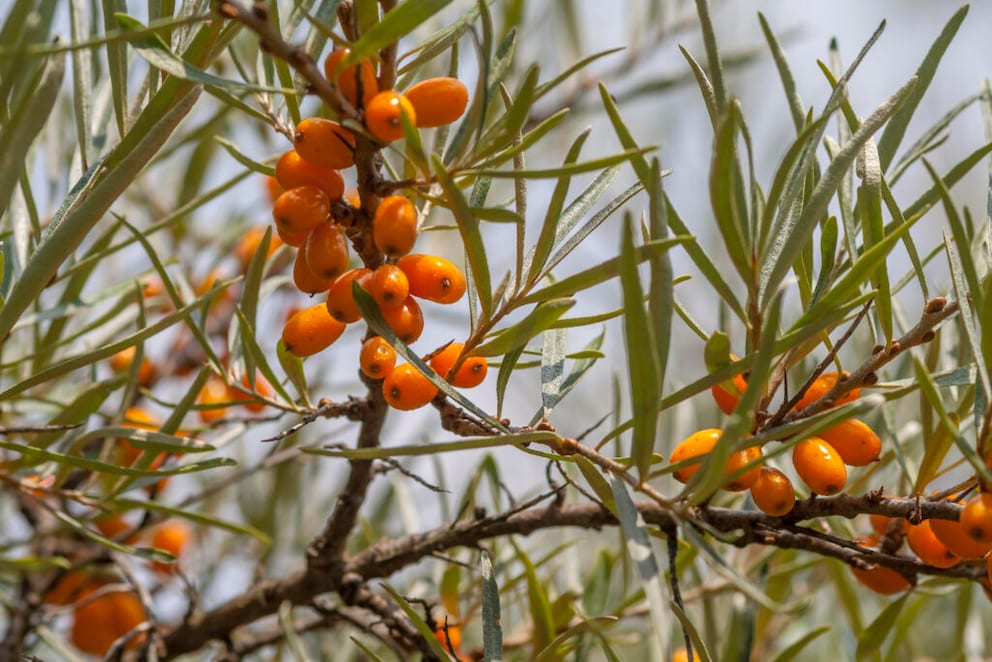
8. Sea Buckthorn (Hippophae rhamnoides)
If hobby gardeners decide to plant Sea Buckthorn in the garden, it offers several advantages. The shrub is visually striking, with its orange berries adding color to the garden. Additionally, the berries can be harvested from August to October, depending on the variety. Sea Buckthorn is relatively easy to care for. Watering and fertilization are unnecessary. Only pruning keeps hobby gardeners busy. To prevent the shrub from becoming bare, the shoots should be trimmed after harvest.
9. Serviceberry (Amelanchier)
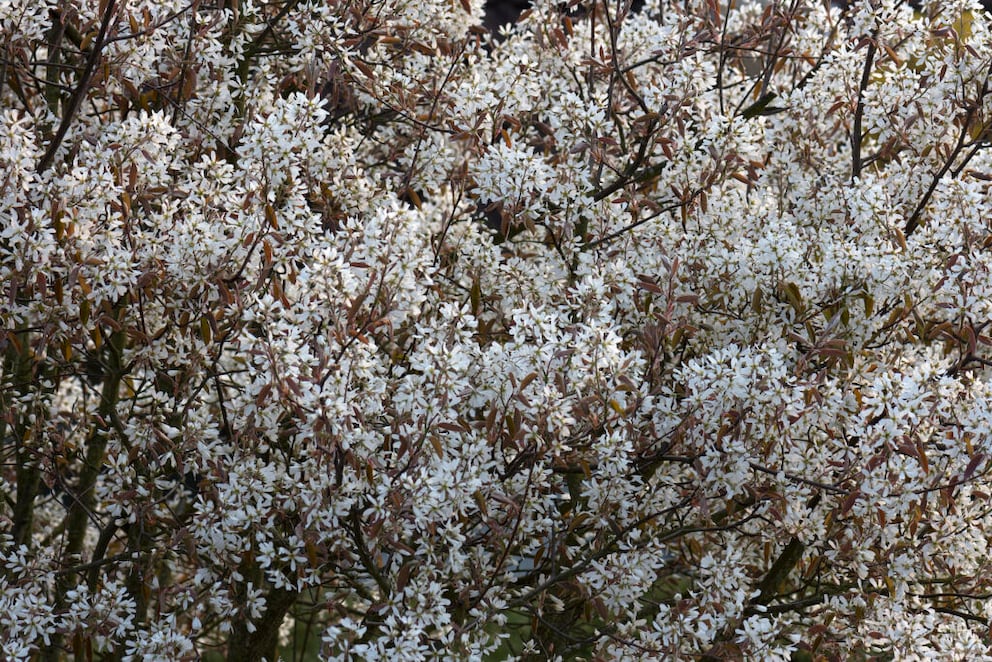
Serviceberry is both low-maintenance and a visual delight. Its spring blooms and autumn foliage are lovely to behold. Hobby gardeners don’t need to pay much attention to its care, as this plant manages well with little water. In spring, the shrub is nourished with a compost addition.