


September 28, 2025, 2:31 am | Read time: 4 minutes
Science has come up with the quirkiest names for various plant and animal species. The “ha ha” is a type of grass from Australia. But horticulture can keep up, having named a garden design element “ha-ha.” myHOMEBOOK reveals what’s behind it.
A fence or wall can provide more privacy in the garden. For people passing by the property, the view is blocked. And wild animals are prevented from entering the garden to reach the tasty young plants by the masonry. There’s just one problem: your own view is also restricted. Especially when the garden borders a forest or meadow, a wide view is particularly appealing. The solution is an invisible garden wall.
Ha-Ha – an Invisible Garden Wall
In addition to fashionable clothing made from expensive fabrics and magnificent carriages drawn by noble horses, it was primarily land ownership through which aristocratic families displayed their wealth. The estates were passed down from generation to generation and were considered a visible symbol of family wealth. Besides the magnificent castles and palaces, vast lands were also a way to boast. Those who owned a lot could secure a respected position in society. The builders and garden artists of the 18th century came up with something very special: an invisible garden wall called ha-ha.
The French gardener Antoine-Joseph Dezallier d’Argenville first described the construct in 1709 in his book “La théorie et la pratique du jardinage” (“The Theory and Practice of Gardening”). It is a deep ditch that adjoins a vertical, often masonry wall. The other, open side gently slopes into the surroundings. This design element from landscape architecture is particularly common in English landscape gardens, which are characterized by a nature-oriented design.
Tip: In England, there are numerous old estates that have a ha-ha. These include Stowe in Buckinghamshire, Berrington Hall in Herefordshire, and Kingston Lacy in Dorset.
Enjoy Wide, Picturesque Views
From the garden side, the landscape appears open and uninterrupted through a ha-ha–despite the barrier. Those looking from the estate into the garden could enjoy wide, picturesque views, as desired in the landscape garden style—extremely elegant. As a viewer, it’s hard to tell where the garden ends and the open field begins. The property appears larger due to the invisible garden wall.
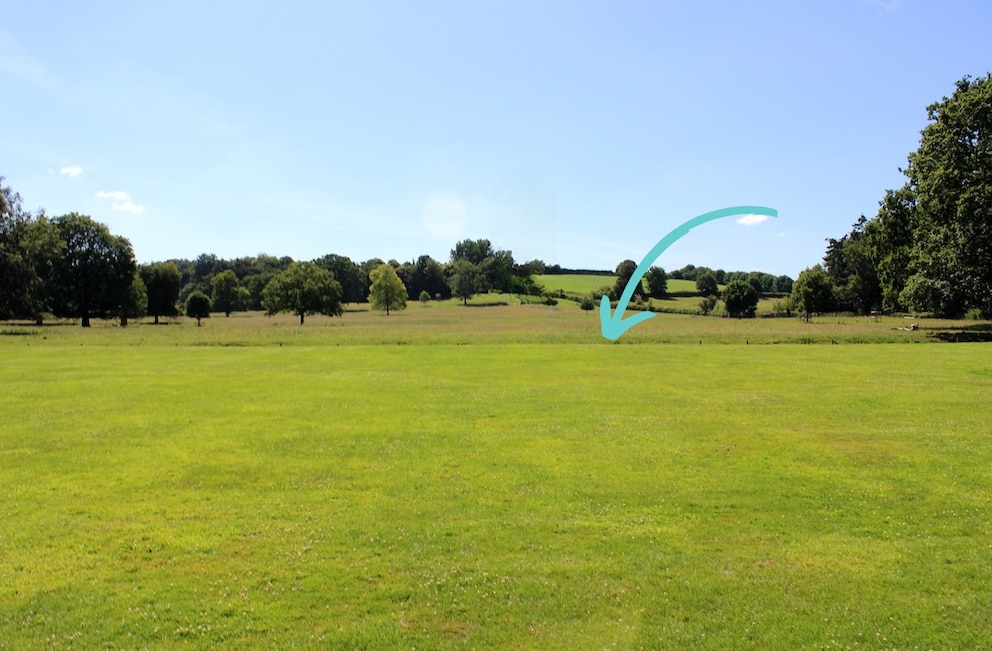
Although it is not visible when you are on the property, a ha-ha still serves the function of a regular wall. Wild animals or unauthorized persons cannot enter the garden through the wall embedded in the ground and the ditch.
What is a carriage house?

Mold or Saltpeter on the Wall? How to Tell the Difference
Where Does the Name Come From?
The hidden garden wall has a curious name that resembles the well-known onomatopoeic exclamation of surprise for a reason. The name is due to the following: From a distance, the hidden ditch is not visible. However, when you get closer and discover it, this astonishment might elicit a “Ha ha!” or “Aha!” from some.
Using Ha-Ha in Your Own Garden
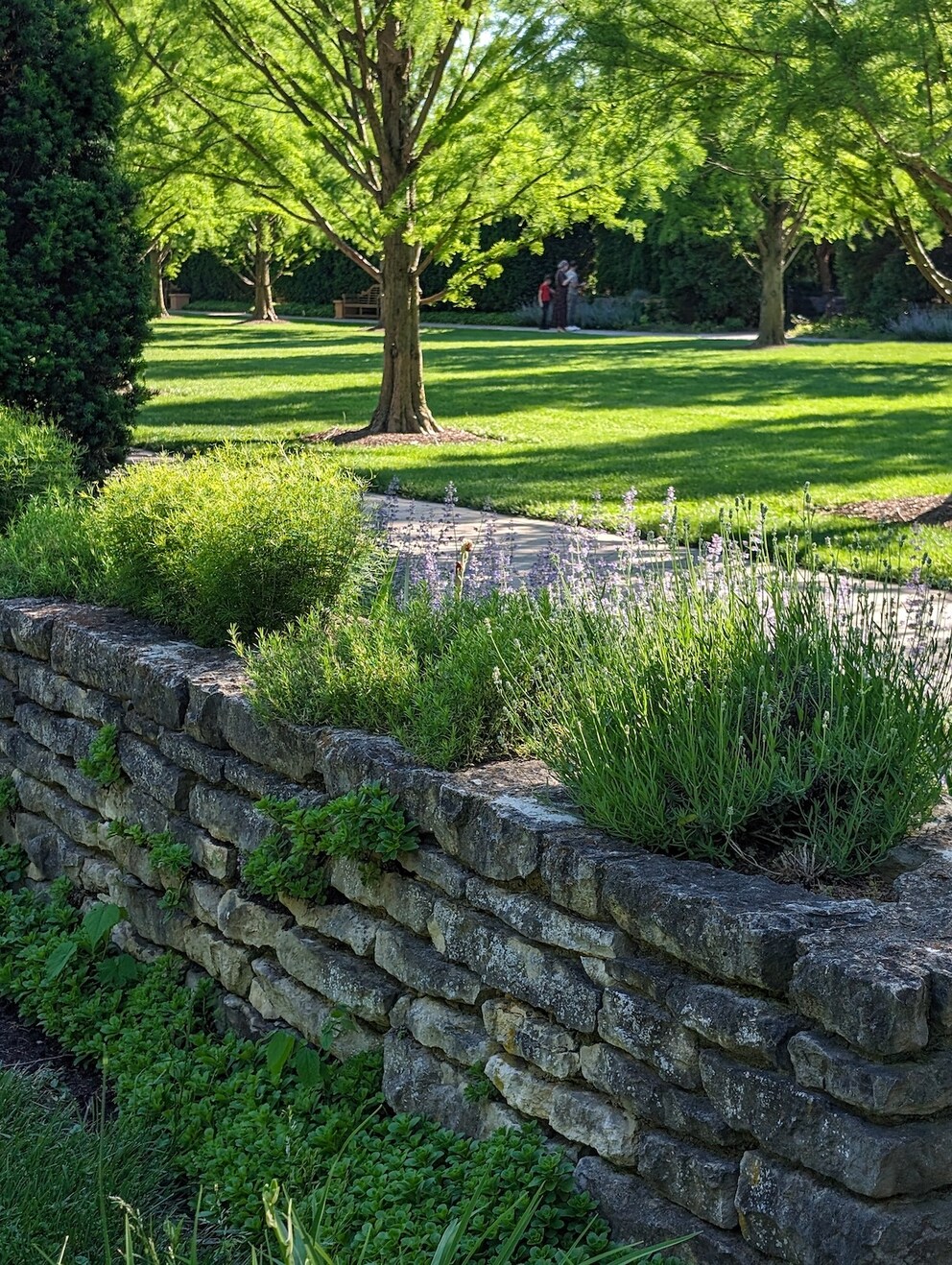
Even though today’s gardens usually don’t have park-like dimensions, a ha-ha can still be used. The use of the hidden wall can be particularly exciting to create a sense of spaciousness while also creating spaces that structure the garden and generate interest.
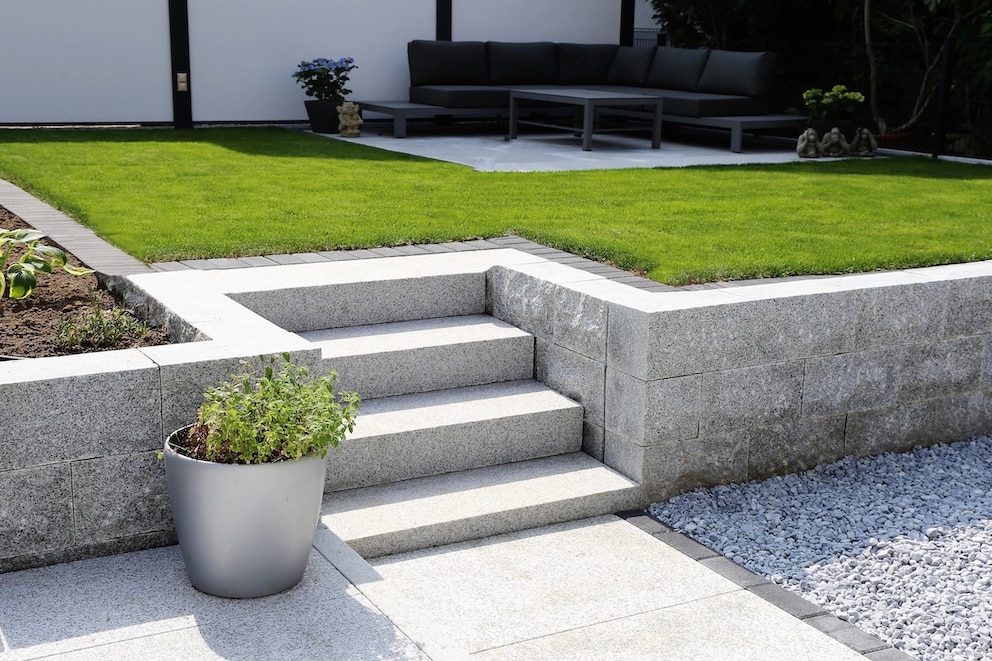
To separate the utility garden from the ornamental garden without a visible barrier, a ha-ha can be used. This design element can be particularly useful to prevent animals, such as dogs or chickens, from entering certain garden areas—all without unsightly wire mesh.
When implementing, the following should be considered:
- The depth should be about 1.20 to 1.50 meters so that animals and people cannot simply walk over it. As a subtle design element, a smaller sunken ditch of 60 to 80 centimeters is common.
- Natural stone, concrete, and wood are suitable for the vertical wall.
- The outer side should slope gently to appear natural.