

April 23, 2023, 3:38 am | Read time: 2 minutes
Carcinogenic or not? Manufacturers and politicians have been debating a ban on the weed killer glyphosate for years. For uncertain gardeners, there are already alternatives available.
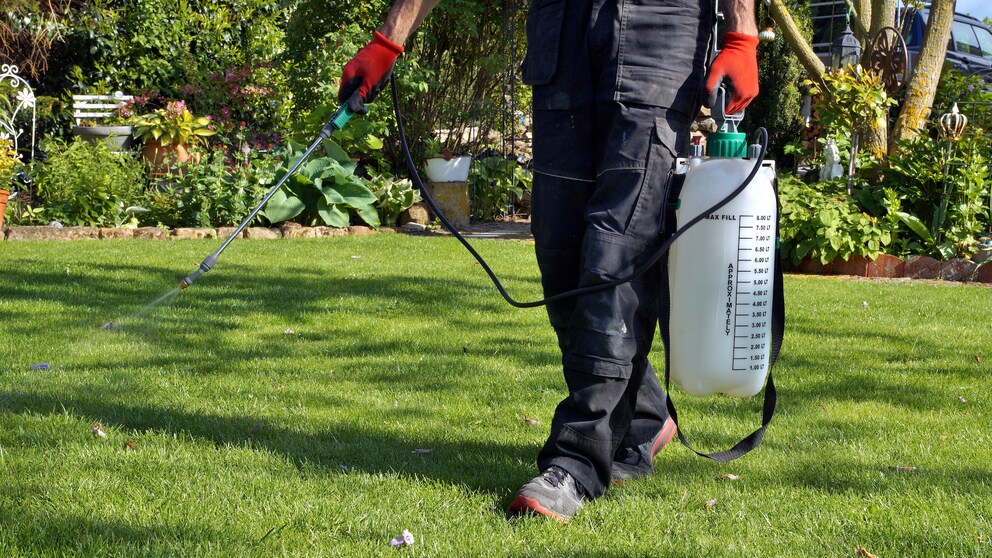
Glyphosate is effective against garden weeds but is repeatedly criticized for potentially being harmful to health. The EU has temporarily extended the approval of pesticides containing the active ingredient until December 15, 2023, even though experts have long debated a possible ban on the herbicide. Hobby gardeners can avoid the weed killer–even without having to weed regularly.
Mulching as an Alternative to Glyphosate
Gardeners can forgo glyphosate by covering beds with a layer of mulch and regularly hoeing them. This is advised by the garden advisory service of the Wohneigentum Association. For a lawn full of weeds, you can peel off the top layer of soil and then till it. This is also supposed to prevent weeds from sprouting.

Controversial Weed Killer Glyphosate Allowed for Another Year in the EU

Should you really be washing fruit and vegetables with baking soda? Researchers have investigated
Glyphosate Often Already Banned
Driveways and paths can be kept weed-free with a joint scraper, heat, or infrared emitters. This is already the case: In many places, you are not allowed to remove weeds with chemicals–such as at the edges of sidewalks and other walkways, as well as on private courtyards and driveways. According to the Plant Protection Act, those who do so risk a fine.
While in beds, active ingredients mostly reach the plants and break down in the soil, rain washes the substances from paths into bodies of water and groundwater. This burdens the environment.
Related: Glyphosate Impairs Bumblebee Brood Care, Study Says
Why Is Glyphosate Controversial in Gardening?
The pesticide is suspected of causing cancer. Critics of the weed killer refer to an assessment by the International Agency for Research on Cancer (IARC), which classifies glyphosate as probably carcinogenic. The Federal Institute for Risk Assessment, however, concludes: “Glyphosate is not carcinogenic when used as intended and properly.”
Germany plans to ban glyphosate starting in 2024. This also concerns insect protection. According to the Federal Environment Agency, the complete destruction of all herbs and grasses on arable land reduces plant diversity. As a result, insects and field birds are deprived of their habitat on a large scale.
with material from dpa