


July 28, 2025, 4:11 am | Read time: 4 minutes
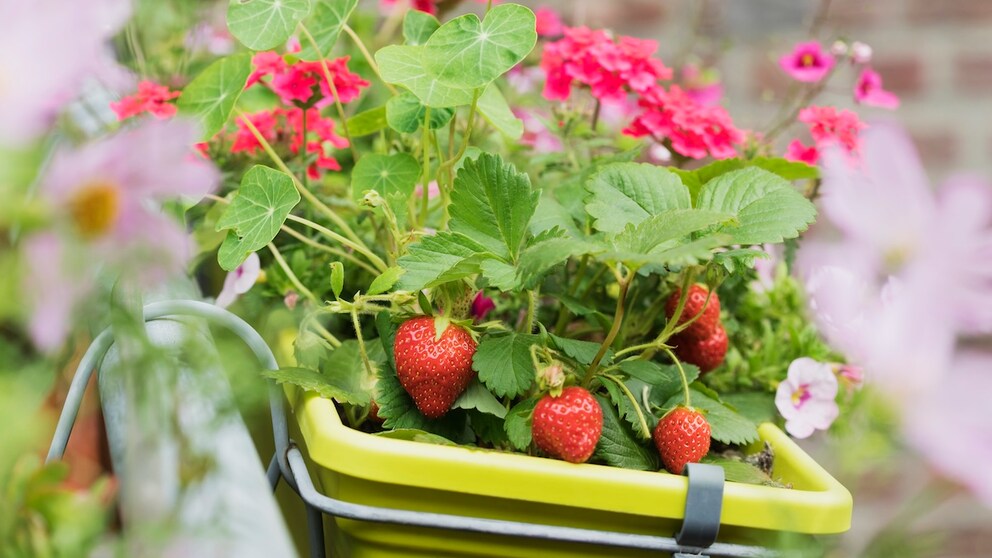
If you have a south-facing balcony, keeping up with watering in the summer can be a challenge. As with almost every plant problem, there’s a solution: flower boxes with water reservoirs. However, not all plants benefit equally from them. MyHOMEBOOK author Marike Stucke explains how these special flower boxes work and what to consider.
Overview
How does a water reservoir in a flower box work?
Flower boxes with water reservoirs have an additional compartment at the bottom that can be filled with water, essentially creating a double bottom. Through special inserts, wicks, or capillary action, the water gradually reaches the plant soil and thus the roots. Important: Excess watering also ends up in the reservoir and is reabsorbed by the soil and roots as needed.
A water level indicator usually shows when the reservoir is empty and needs refilling. Many models also have an overflow valve to prevent waterlogging during heavy rain.
The advantages of a water reservoir
- Less frequent watering needed: Especially on hot days or during vacations, balcony gardeners don’t need to water daily. For less thirsty plants or in milder weather, refilling once a week is often sufficient.
- Consistent water supply: Plants take exactly the amount they need. Waterlogging is easier to avoid.
- Water savings: Less water evaporates or drains away unused, leading to more efficient watering.
For people with little time or those who are often away, flower boxes with water reservoirs are a real relief.
Which plants are suitable?
In general, plants that prefer a consistently slightly moist root area benefit particularly from a water reservoir. The reservoir ensures the substrate automatically rehydrates, never drying out completely. Suitable plants include:
- Petunias
- Geraniums (Pelargoniums)
- Fuchsias
- Begonias
- Ornamental grasses like fountain grass
- Basil and other herbs with high water needs
Vegetables like tomatoes, peppers, or snack cucumbers can also thrive in larger flower boxes with water reservoirs. However, it’s important to ensure the reservoir is large enough.
Plants to avoid
Not all plants like to receive water “from below” constantly. Species that prefer drier conditions can suffer from overly moist root areas. The soil should dry out regularly to keep these dry-loving plants comfortable. Examples include:
These plants are accustomed to drier, well-drained soils. A constantly moist substrate can lead to root rot. Since these plants can go longer without watering, flower boxes with water reservoirs are less suitable.
8 Low-Maintenance Plants for Your Balcony
Which Tricks Really Keep Plants Moist Longer in Summer
Important when buying flower boxes with water reservoirs
- Size of the reservoir: The larger the flower box and the plants, and the thirstier they are, the larger the water reservoir should be.
- Water level indicator: Helpful for keeping track of when to refill.
- Overflow valve: Protects against waterlogging during rain.
- Material and workmanship: In cheaper models, wick systems or inserts can break easily. The saying goes: “Buy cheap, buy twice.”
Conclusion: Who benefits from a water reservoir?
Flower boxes with integrated water reservoirs are especially suitable for plants with high water needs and balcony gardeners who can’t or don’t want to water daily. Those who mainly plant Mediterranean herbs or succulents should opt for traditional flower boxes, as infrequent watering is sufficient.
Tip: If you’re unsure, choose flower boxes with removable water reservoirs for flexibility.

Affordable solution for vacation
“For the long-awaited summer vacation, you don’t necessarily need new flower boxes with water reservoirs to keep balcony plants alive. I’ve had good experiences with clay spikes that are simply inserted into the soil. A water-filled PET bottle can be attached to them. The open-pored clay slowly releases water to the substrate. This method isn’t a permanent solution, but it’s affordable and quick to set up. For vacations under two weeks, clay spikes are absolutely sufficient. And if you have friendly neighbors, you don’t need a watering system for your balcony boxes. Neighbors can step in to water the plants.”