


August 27, 2025, 11:12 am | Read time: 4 minutes
Plums, damsons, apricots, or peaches—those with stone fruit trees in their garden look forward to a bountiful harvest from summer into fall. It’s all the more frustrating when the fruits suddenly become small, misshapen, and inedible. This could be due to the so-called Sharka disease, one of the most dangerous viral infections in stone fruits. myHOMEBOOK explains how to identify the disease and what hobby gardeners can do about it.
What is Sharka Disease?
Sharka disease is caused by the Plum pox virus (PPV). It is one of the most widespread viral diseases in stone fruit trees. The virus primarily affects:
- Plums
- Damsons
- Apricots
- Peaches
- Nectarines
The virus permanently weakens the trees and causes fruits to become deformed, spotted, or inedible, according to “InvaProtect,” a project funded by the European Regional Development Fund (ERDF). There is no cure—infected trees remain carriers of the virus for life. Additionally, the disease is subject to mandatory reporting.
Overview
Symptoms: How to Recognize Sharka Disease
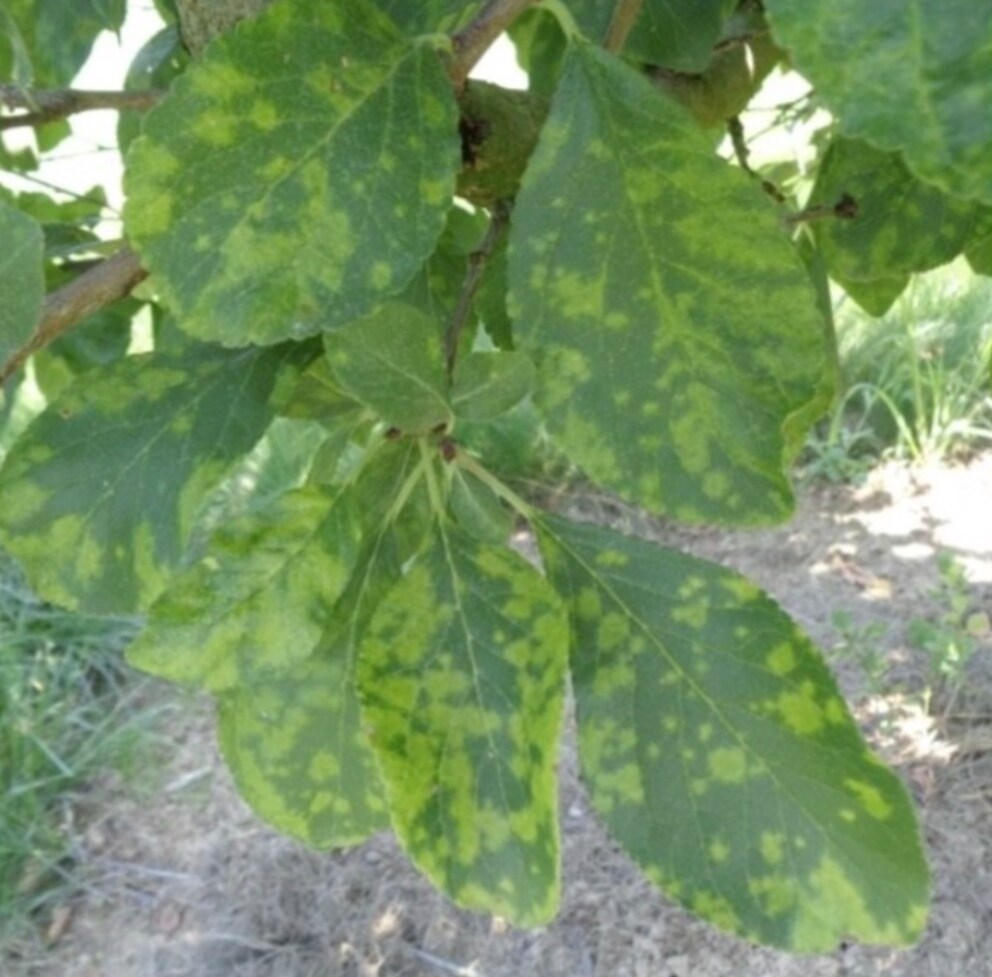
The first signs often appear on the leaves:
- yellowish or light rings and spots
- irregular patterns resembling mosaics
- curled or malformed leaves
Later, the fruits are also affected:
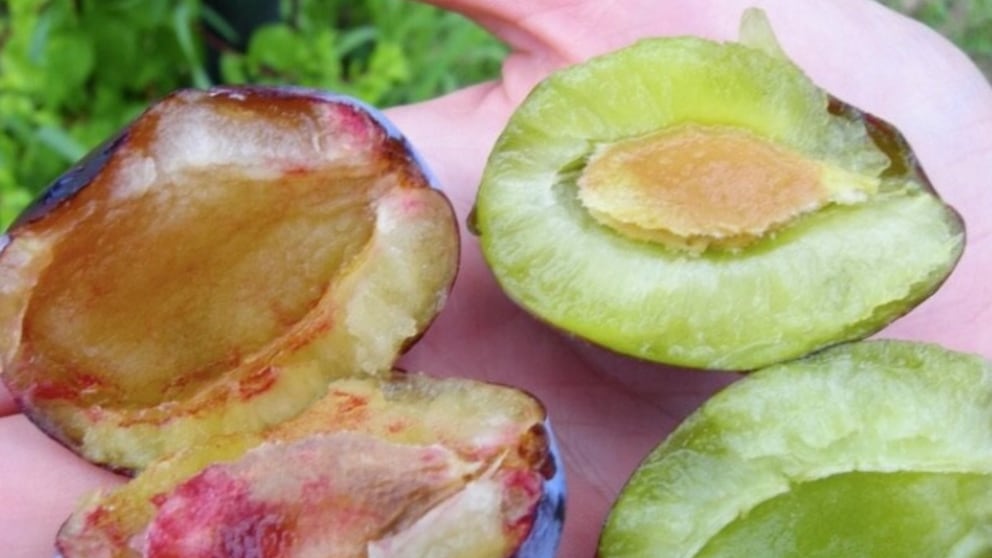
- sunken, light rings on the skin
- misshapen fruits
- brown, rubbery spots in the flesh
- sour, bitter, or tasteless fruits
- Especially with plums and apricots, the disease is noticeable: The fruits are inedible, and the harvest is significantly reduced.
How Does the Virus Spread?
Sharka disease is primarily transmitted by aphids. They suck the sap from infected trees and then transfer the virus to healthy plants.
Other transmission routes include:
- uncontrolled trade in young plants or scion wood
- grafting with infected material
- mechanical injuries during pruning
Particularly insidious: A tree can be infected for years before symptoms become clearly visible.
What Are the Consequences of an Infestation?
- Yield loss: Infested trees often bear significantly fewer fruits.
- Quality loss: The fruits are small, misshapen, and taste worthless.
- Weakening of the tree: Over the years, the tree becomes increasingly susceptible to other diseases and pests.
For the hobby garden, this usually means: The affected trees provide hardly any usable harvest.
Control: What Can Hobby Gardeners Do?
Only buy certified young plants: Ensure healthy, virus-free stock from specialist retailers. Cheap offers from supermarkets may carry the virus if they are not proven to be virus-free.
- Combat aphids: Beneficial insects like ladybugs can help control aphids in the garden. Ladybug larvae can also be released, as they primarily feed on aphids. An insect-friendly design of the garden with overwintering options and avoiding insecticides can further strengthen the ladybug population.
- Regularly inspect: Check leaves and fruits for unusual spots and deformities.
- Remove infested trees: If a significant infestation is detected, the affected trees should be completely uprooted and disposed of in the trash or green waste bin, not in the compost. Otherwise, the virus can spread again through the compost in the garden.
The 5 Most Common Tomato Diseases and How to Combat Them
6 Common Cucumber Diseases to Recognize, Prevent, and Treat
Mandatory Reporting of Sharka Disease in Germany
Since Sharka disease can cause enormous economic damage in fruit-growing areas, it is one of the reportable plant diseases in Germany. Anyone who detects the disease in their own garden should inform the responsible plant protection office.
Conclusion
Sharka disease is one of the most dangerous viral diseases for stone fruit trees. Once a tree is infected, there is no rescue. A fruit tree that has been lovingly cared for over the years is then lost and must be completely disposed of. Prevention, purchasing healthy plants, and consistently combating aphids are all the more important. This can significantly reduce the risk in your own garden.

Plant Protection with Technical Support
“Especially because the symptoms of Sharka disease are difficult to recognize at first, it is worth using modern tools. There are several plant diagnosis apps that allow you to photograph and compare unusual leaf or fruit changes. While this does not replace the official report to the plant protection office, it helps to quickly become aware of problems in your own garden.”