


August 8, 2025, 3:06 pm | Read time: 3 minutes
Whether it’s a flower bed or a vegetable patch, those who regularly work in the garden benefit not only the plants but also themselves. According to a new survey, gardening not only benefits mental health and reduces stress but also releases happiness hormones, as shown in a European comparison. And there are solutions even for those without gardens.
Majority Feel Positive Impact of Gardening on Mental Health
According to a representative YouGov survey commissioned by garden tool manufacturer Stiga, 63 percent of Germans report that gardening positively affects their mental health. The primary benefit is the exercise in fresh air. Seventy-six percent of German participants see this as the most important positive aspect, according to the survey results. Additionally, 42 percent associate gardening with stress reduction and improved mood, while 30 percent even view it as a form of self-fulfillment.
A study by Geisenheim University (Hesse), conducted during the 2020 COVID-19 lockdown, reached a similar conclusion. It found that garden owners are among the happiest people and are generally more satisfied with their lives.
Gardening Popular Across Europe
A similar picture emerges across Europe: In the United Kingdom (73 percent), Spain (70 percent), Italy (69 percent), and Poland (67 percent), gardening is also strongly associated with positive effects on mental well-being. The contact with nature and the resulting sense of inner balance are frequently mentioned.
Gardening Encourages Physical Activity
In addition to mental benefits, gardening also promotes physical activity. Forty-one percent of German respondents say that gardening encourages them to lead a more active lifestyle. Overall, 72 percent of Germans rate gardening as beneficial.
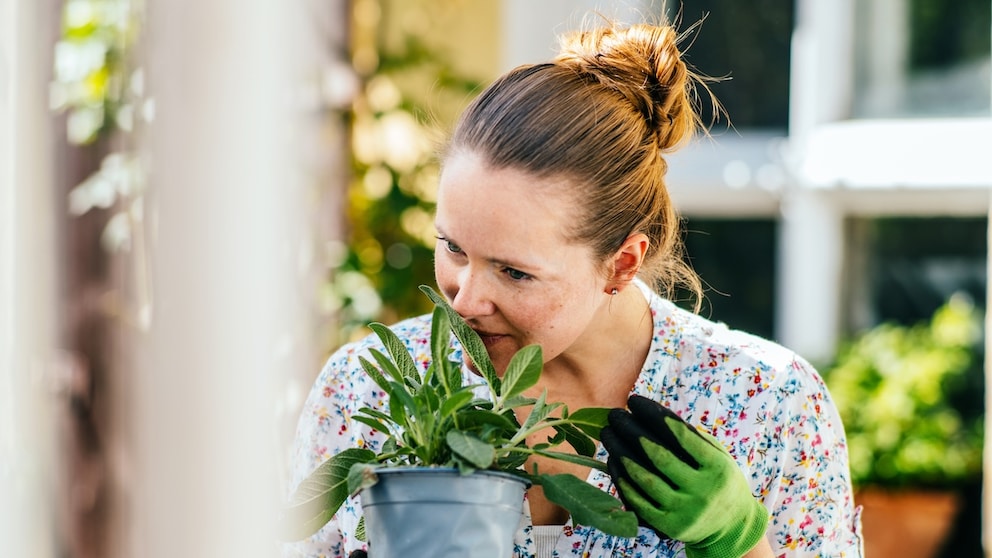
Gardening also engages all five senses—sight, hearing, smell, taste, and touch—while keeping the body moving. This combination leads to the release of happiness hormones like dopamine and serotonin.
Moreover, caring for plants brings responsibility and increases appreciation for life and the environment. Researchers at Columbia University emphasize: In the garden and while gardening, you create a safe space “where you can unwind, reduce stress, and keep busy.” It is overall “a healthy break from the stressors of the world.”
Also interesting: Pros and Cons of Gardening in Raised Beds

“Anyone Who Always Keeps Things Perfectly Tidy Either Has Too Much Time or Something to Prove”

How the Concept of Longevity Living Can Help You Age Healthily
Proven Stress Reduction and Lower Disease Risk
The extent to which gardening can reduce stress is also evident in medical findings: Gardening has been shown to lower cortisol levels—the hormone that, when chronically elevated, can contribute to heart disease, high blood pressure, or a weakened immune system. The stress reduction mentioned in the survey is thus not only subjectively but also biologically measurable.
Gardening Possible Without a Personal Garden
Those without their own garden need not miss out on the positive effects: Many cities have community gardens. According to studies, gardening together offers an additional advantage: Gardening with others may make you even happier and more resilient.

Gardening as a Valuable Escape from Daily Life
“Currently, I unfortunately don’t have my own garden, but on my rather large city balcony, tomatoes, cucumbers, and even pumpkins are growing. There are also a few herbs. The effort is manageable, yet it’s enjoyable to tend to the plants after work. And if the harvest isn’t abundant, it doesn’t bother me. For me, it’s more about a relaxing hobby, especially as a counterbalance to the rather hectic daily life. And maybe one day there will be a real garden again.”
With material from dpa