

October 15, 2026, 12:33 pm | Read time: 3 minutes
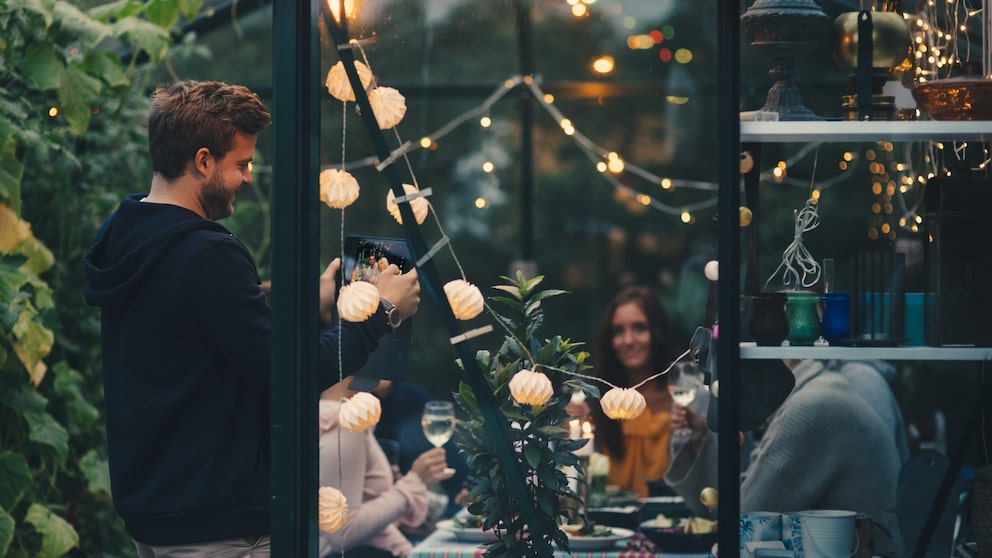
A conservatory brings a lot of light into the house even in the cold season and creates a sheltered spot with a view of the greenery. However, to enjoy the glass extension year-round, several important points must be considered during planning.
“No one really needs a conservatory. But once you have one, you never want to be without it,” says Franz Wurm from the Conservatory Association, describing the charm of such a glass house extension. While a conservatory is a room where people like to spend time, it is not strictly necessary for living. It is a piece of luxury, a nature-close oasis for enjoyment. Often, it is added later, expanding the existing building. But what should you consider when planning to build a conservatory?
Building a Conservatory–Obtaining a Permit
“Homeowners should always check with the local building authority to understand the legal regulations in their municipality,” emphasizes Wurm. Whether a building permit is required for a conservatory cannot be answered universally. Building laws vary by state. Under certain conditions, smaller extensions may be exempt from procedures. Factors such as size, use, and heating of the conservatory play a role. Therefore, it is important to consult the local building authority about the applicable regulations before starting construction.
East, South, West, or North?
The right spot on the house depends on individual circumstances. “It is particularly warm and sunny in the east, south, and west. But a north-facing conservatory also has its charm, though it must be well-heated in the cooler seasons,” says the expert. In a particularly sun-exposed location, summer heat protection should be considered from the start. With large glass surfaces, it is important to prevent the room from overheating due to sunlight. Current building energy laws require adequate structural summer heat protection for buildings.
What Size Should a Conservatory Be?
Overall, a conservatory should not be too small, according to Wurm. There must be enough space for seating, plants, and walkways. He recommends around 15 square meters for this purpose.
What exactly is a cold conservatory?

Why a House with an In-Law Suite Can Be a Good Choice
Glass Determines Heat in the Conservatory
In a conservatory, large parts of the exterior surfaces are made of glass. The glazing significantly influences how much heat is lost to the outside and how much the room heats up from sunlight. An important metric is the so-called U-value. The lower it is, the less heat passes through the component. For a conservatory used year-round, summer heat protection should also be considered. This is especially important for large transparent surfaces.
The energy requirements that must be met depend on the construction and use. The current building energy law also distinguishes between different transparent components. For changes to existing buildings, different maximum heat transfer coefficients are specified for windows and window doors compared to glass roofs or post-and-beam facades.
Therefore, the glazing should be tailored to the specific conservatory and its intended use. For heated or cooled buildings, the applicable energy requirements must also be considered.
Also interesting: Icicles on the house? What homeowners should definitely do
Conservatory or Summer Conservatory?
Should the conservatory be heated year-round or only used occasionally? This depends on personal preferences. Those who want to use their conservatory mainly in spring and fall have different requirements than someone who wants to use it as a heated living space year-round.
Energy-wise, how the conservatory is used also makes a difference. If it is heated or cooled, the applicable energy guidelines must be followed.