


June 18, 2026, 4:57 am | Read time: 2 minutes
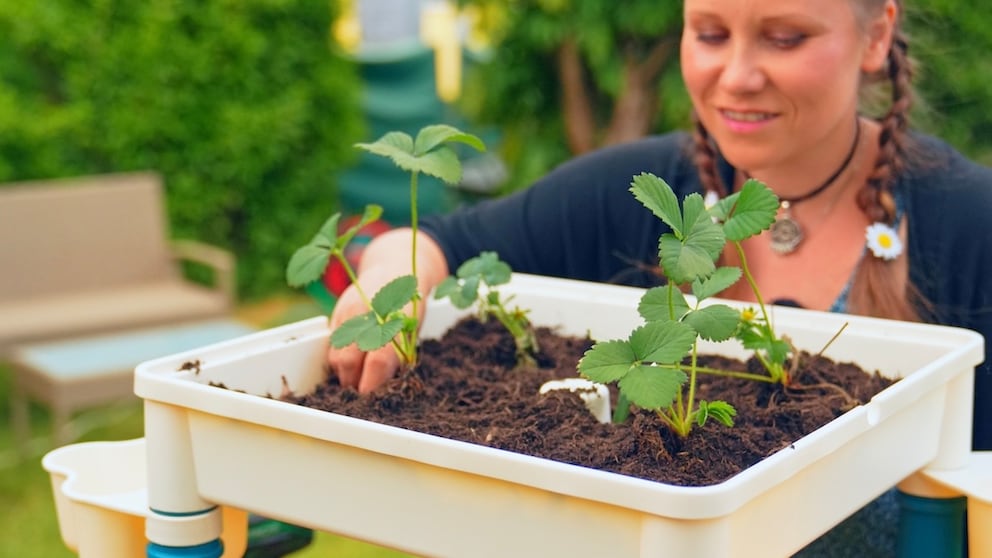
If you have an old Lego table at home, there’s no need to throw it away. With a bit of creativity, it can easily be transformed into a children’s raised garden bed. This creates an exciting project where children can playfully discover nature and grow their own vegetables, herbs, or flowers. myHOMEBOOK gardening expert Franka Kruse-Gering explains step by step how to turn a discarded play table into a new home for plants.
What You Need for a Children’s Raised Garden Bed
Various materials can serve as the foundation for a children’s raised garden bed. In the video, a discarded children’s Lego table was used. However, you can also use an old children’s wheelbarrow or other old toys. It’s important that holes can be drilled into it to allow excess water to drain and prevent root rot.
You will also need a drill, filler material, soil, and plants. Ideally, use plants that the child likes or enjoys eating to increase their interest.
5 Simple DIY Projects for Your Balcony and Garden This Spring
How an Herb Spiral Works
How to Build a Raised Garden Bed for Children
The first step is to drill drainage holes into the Lego table to allow excess water to escape. Then, the table must be filled with mulch or branches. This not only allows water to drain more easily but also makes it lighter if the location needs to be changed.
Uses for the DIY Raised Garden Bed
A DIY raised garden bed allows children to experience nature up close and become actively involved. It becomes particularly exciting when plants are chosen that grow quickly, look striking, or can be harvested and tasted later. Colorful flowers, fragrant herbs, strawberries, radishes, or sugar snap peas pique curiosity and vividly show children how plants grow and develop. Through sowing, watering, and observing, they learn to take responsibility in a playful way and develop a better understanding of natural cycles and the origin of food.