


March 5, 2026, 10:14 am | Read time: 2 minutes
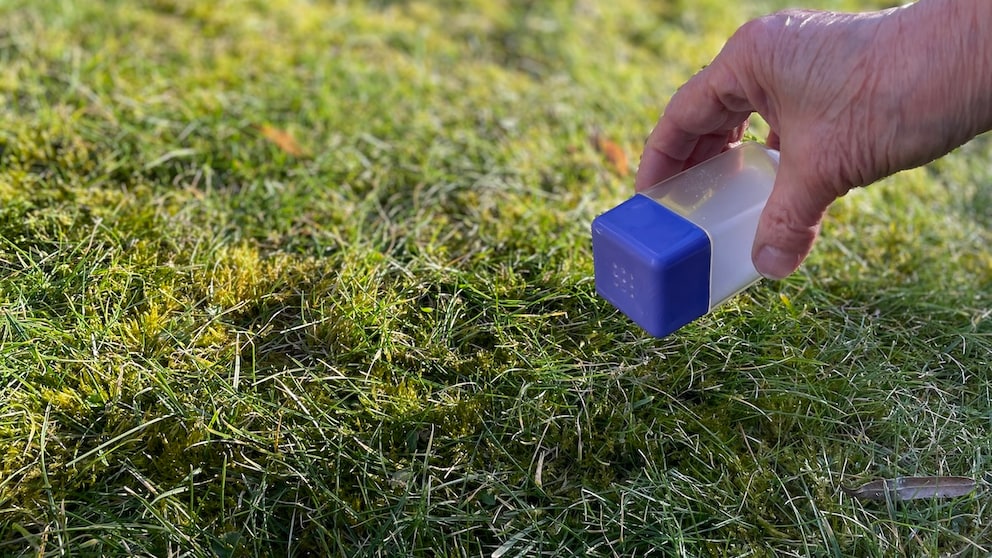
Increasingly, people are hearing the advice to use salt against weeds in the lawn—simple, cost-effective, and readily available. But is this home remedy really a sensible solution, or does it pose potential risks to the lawn and soil? Before reaching for the salt pack, it’s worth taking a closer look. myHOMEBOOK consulted an expert.
Expert Dismisses This Home Remedy
“Salt belongs on fries or breakfast eggs, not on plants or in the soil,” clarifies Dr. Harald Nonn from the German Lawn Society when asked by myHOMEBOOK. “While it is possible to scorch green plants, the salt draws water from the plants but excessively burdens the environment,” he adds.
Does Dish Soap Help Against Moss in the Lawn? Expert Explains

Best Tips for Fighting Weeds in Your Lawn
Please Do Not Use Salt Against Weeds in the Lawn
Dr. Nonn lists several negative aspects of using salt against weeds in the lawn.
- The salt scorches not only the weeds but also the lawn grasses.
- The soil becomes saline and thus unusable as a plant site, even for lawn grasses.
- The salt displaces important plant nutrients from the soil.
- An excess of sodium in the plant disrupts metabolism.
- Soil life is negatively affected or even killed.
- The soil structure is destroyed.
- Reseeding becomes impossible for a long time.
“A widespread application of salt on the lawn, for example, against clover or speedwell, is therefore out of the question. With similar effort, weeds can also be mechanically removed, such as by digging them out,” adds Dr. Nonn.
Salt Becomes a Problem in Many Areas
Salt should not be spread on either vegetated or non-vegetated areas, the expert explains. “The negative impact of salt has long been known from the use of road salt in traffic. Here, the use of salt is minimized as much as possible. The same applies to sidewalks in many communities, up to and including a ban.” The expert finds it crazy that the tip to use salt against weeds is currently circulating online.