


March 17, 2026, 12:54 pm | Read time: 2 minutes
March marks the start of spring, and the urge to garden grows. Many tasks in the garden can be tackled now, but it’s best to hold off on sowing grass. myHOMEBOOK consulted a lawn expert to explain why you should wait to seed your lawn.
Why You Shouldn’t Sow Grass in March
Like all plants, grass requires a certain minimum temperature to grow and thrive. According to Dr. Harald Nonn from the German Lawn Society, grass seed germination temperatures are between 50 and 54 degrees Fahrenheit. This refers to soil temperatures. In March, daytime temperatures can reach around 68 degrees Fahrenheit, but since nights are still quite cool, the soil has little chance to warm up.
Related: What Your Lawn Needs After Winter

3 Gardening Tasks I Won’t Tackle in March

The Lawn Needs This Care in February
Pro Tip: Set Up Grass Like a Cold Frame
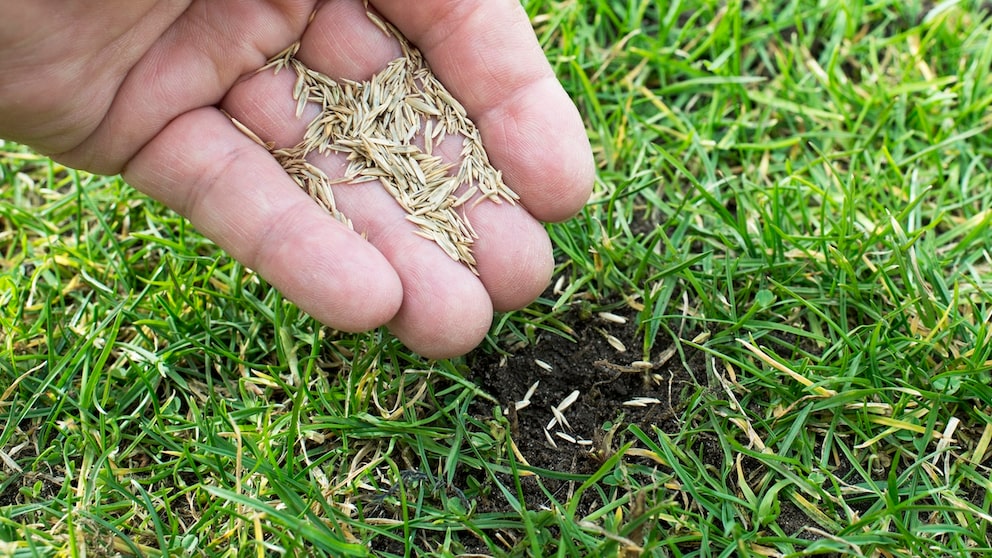
However, Dr. Nonn shares a trick for those who want to cover small areas with grass and lack patience: “You could set up the grass on bare spots like a cold frame. It’s important to ensure the seeds have good soil contact. Then, place a fleece over it. This minimizes temperature fluctuations. You should occasionally check under the fleece to ensure no fungal diseases develop.”
With this pro tip, there’s a chance the grass will germinate even at lower soil temperatures. Generally, though, it’s better to wait until the soil has warmed up. May is a good time to sow grass, the lawn expert explains.
Also interesting: Should You Aerate Your Lawn in March?
These Are the Most Common Seeds for Utility Lawns
If you want a beautiful and even green area in your garden, you should opt for the following grass varieties, the expert suggests: “These are the classic regeneration mixes, mainly consisting of perennial ryegrass, red fescue, and Kentucky bluegrass. In shaded areas, rough bluegrass can be added.” However, these grass seeds also germinate only at higher temperatures. Here too, the expert advises against sowing grass in March, recommending later in the spring instead.