


August 6, 2025, 4:40 am | Read time: 4 minutes
If you suddenly discover white, foamy clumps on your plants in spring or summer, you’re likely dealing with spittlebugs. While these small insects are harmless to humans, they can weaken leaves and shoots. myHOMEBOOK explains how to identify spittlebugs, the damage they cause, and what truly helps against them.
What Are Spittlebugs?
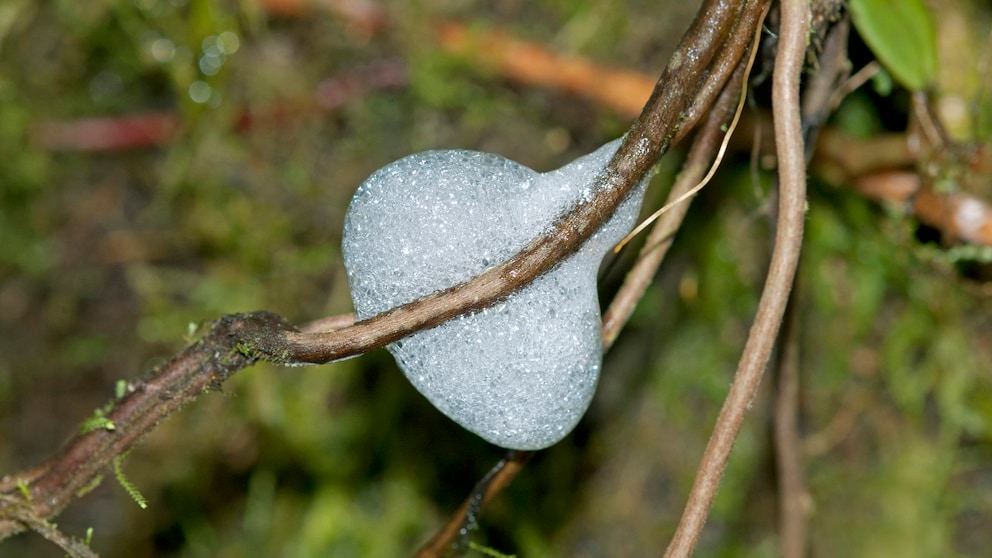
Spittlebugs belong to the cicada family and grow only a few millimeters to a maximum of one centimeter in size. Their larvae hide in a protective foam nest that resembles soap bubbles and is usually found on stems or leaf axils. The foam serves as protection against predators and drying out.
Like all cicada species, spittlebugs produce chirping sounds, especially in the late afternoon and at dusk. The chirping gives every garden a summery Mediterranean atmosphere. But are spittlebugs completely harmless, or should you protect your plants from them?
Overview
Are Spittlebugs Dangerous for Plants?
Generally, spittlebugs do not cause significant damage as they only suck plant sap. However, in cases of heavy infestation, plants can be weakened and may react as follows:
- Stunted shoots and delayed growth
- Loss of flowers and buds when larvae feed on young shoots
- In rare cases, transmission of plant diseases can occur
Identifying Spittlebugs
- Foam nests: They resemble small spit spots and are often clearly visible. They are usually “built” at leaf axils, but can also fall to the ground like a balloon if they become too heavy.
- Larvae: Tiny, light green to light brown (depending on the stage) insects inside the foam
- Adult insects: Only a few millimeters to one centimeter in size, they quickly jump away when disturbed, reaching up to 70 centimeters high from a standstill.
How to Get Rid of Spittlebugs
Even though spittlebugs are not pests per se, if they appear in large numbers, individual plants can indeed suffer damage. To control the infestation, you can gently remove or repel the insects.
- Spraying: Remove the foam nests from the plants with a water jet from the garden hose. The larvae can no longer suck sap from them.
- Mechanical removal: Use gloves to strip off the foam along with the larvae.
- Encourage beneficial insects: Predatory bugs, lacewings, many spider species, as well as ants and birds, prefer to eat the larvae and adult spittlebugs. By promoting biodiversity in your garden, you likely won’t notice an excessive infestation.
- Rapeseed oil preparations: In cases of heavy infestation, ecological plant protection products from the hardware store or garden center can help.
- Promote strong plants: Healthy, robust plants are less susceptible. The ideal location, proper fertilization, and appropriate pruning depending on the plant species increase the plant’s resistance. A little sap sucked by spittlebugs doesn’t matter much.
Preventive Measures
- Regularly inspect plants and immediately remove foam nests from infested shoots.
- A mixed culture in the garden promotes natural enemies of the spittlebug. Insect hotels and piles of deadwood also encourage the diversity of predators of the spittlebug. Leaving perennials and grasses standing over fall and winter creates a good winter habitat for beneficial insects.
- Avoid waterlogging and ensure loose, nutrient-rich soil—this makes plants more resilient. Protection during late or severe frost also strengthens sensitive plants.

Gardening for Insect-Friendly Spaces – Expert Offers Valuable Tips
Berries Can Become Inedible Due to Bugs
Plants Frequently Affected by Spittlebugs
Spittlebugs are not picky and infest many plant species. They are particularly common on:
- Roses and other ornamental shrubs
- Herb plants like sage, lavender, and thyme
- Berry bushes like raspberries and currants
- Vegetables like beans or peas
- Perennials and various wild plants
Knowing which plants are particularly at risk allows you to monitor them specifically and take early countermeasures.
Care Tips to Keep Plants Strong
- Fertilize adequately: A healthy, well-maintained garden is less prone to pests.
- Water properly: Best done in the morning, directly at the root area to avoid fungal diseases.
- Pruning: Cut back infested shoots in cases of severe pest infestation.
- Mulching: Protects the soil, retains moisture, and improves soil life.

Natural Approach to Supposed Pests
“I see the little spittlebugs jumping around on my terrace every year. At first, I was worried—now I know that spittlebugs hardly harm my plants. Usually, beneficial insects like ladybugs and spiders take care of the rest—without any chemicals. My garden hydrangea hedge next to the terrace is a true paradise for ladybugs, producing hundreds of new larvae each year. These not only eat the numerous aphids in the hedge but also other supposed ‘pests’ like spittlebugs. At least when the population gets out of control. Not spraying pesticides has several positive effects here.”