


July 3, 2026, 12:39 pm | Read time: 4 minutes
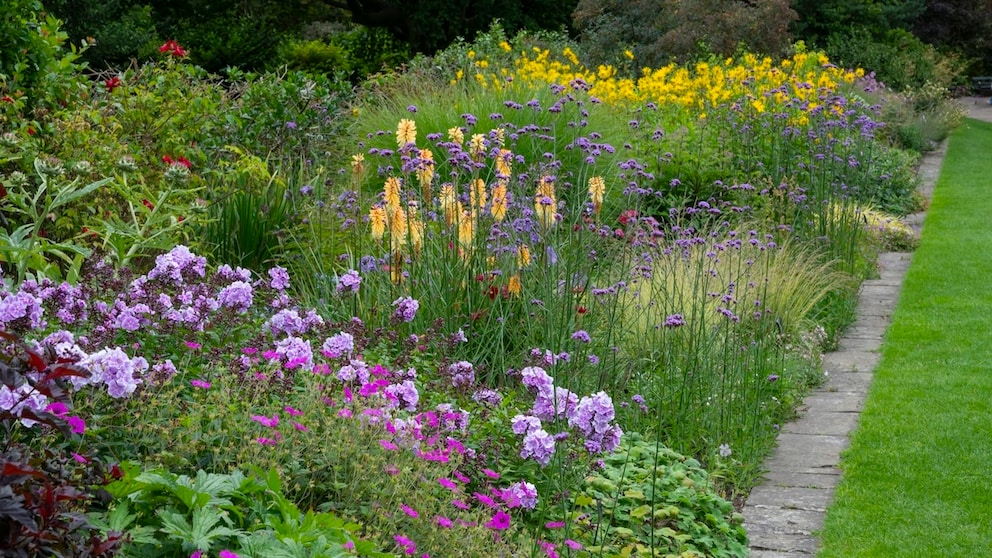
For a long time, strictly trimmed hedges, perfectly manicured lawns, and seasonally changing flower beds dominated garden culture. However, a clear shift is now emerging. More and more garden owners want plantings that look more natural, are ecologically valuable, and retain their charm throughout the year. This is where the “New Perennial” concept comes in: a modern form of perennial use that impressively combines aesthetics and nature.
The “New Perennial” is not about leaving the garden to its own devices. Instead, it involves a carefully planned plant composition that gives the impression of a naturally grown landscape. The result is gardens that appear lively, change with the seasons, and yet carry a clear design signature.
Inspiration from Nature
The idea of New Perennial is based on observing natural plant communities such as prairies, steppes, or meadows. Instead of viewing plants as individual specimens, they are planned as a community. Each species takes on a specific function—some provide structure, others add floral accents, while others fill gaps or create a harmonious transition between different growth heights.
Particularly characteristic is the use of perennials and grasses that remain in place for many years. This allows plantings to gain expression with each passing year while simultaneously developing an astonishing dynamism.
Beauty Beyond the Bloom
One of the biggest differences from traditional perennial beds is the focus on the entire gardening year. While conventional plantings often aim for the most abundant bloom possible, New Perennial considers all developmental stages of a plant.
Fresh shoots in spring, colorful blooms in summer, vibrant autumn colors, and delicate seed heads in winter together form a harmonious overall picture. Even frost on dry grasses or faded flower heads becomes a design element. For this reason, many plants remain standing until spring and are only then cut back. At the same time, the seed heads provide food for numerous birds and offer insects valuable overwintering opportunities.
Grasses as a Calm Framework
Ornamental grasses play a central role in the New Perennial style. They lend lightness, movement, and structure to the plantings. Even a gentle breeze is enough to set the garden in gentle waves. At the same time, they create a calm backdrop for colorful flowering perennials.
They are complemented by long-lived perennials such as coneflower, yarrow, sage, anise hyssop, or vervain. The color palette usually appears natural and harmonious. Bold contrasts are used selectively without disturbing the overall calm effect.
Dynamism Instead of Rigid Order
A key feature of New Perennial is the conscious acceptance of change. Plants are allowed to spread, individual species self-seed, and the planting evolves over the years. Unlike strictly formal gardens, this dynamism is expressly desired.
Nevertheless, it does not create an unkempt impression. Behind the seemingly random plant combinations lies a high degree of planning. Growth vigor, competitive behavior, flowering times, leaf structures, and site requirements are carefully coordinated to create a stable balance in the long term.
A Gain for Biodiversity
In addition to its special aesthetics, New Perennial also impresses from an ecological perspective. The great plant diversity ensures that flowers are available continuously from early spring to late fall. Wild bees, bumblebees, butterflies, and many other pollinators find food here, while seed heads and dense plantings provide shelter for many bird species and small animals.
Since the soil is permanently covered, it dries out less quickly, and weeds have a hard time spreading. Moreover, many of the plants used can cope well with longer dry periods—an important advantage given increasingly hot summers.
These Plants Are Naturally Self-Seeding

Tips for a Low-Maintenance Garden
Less Work, but Not Maintenance-Free
New Perennial is often described as a low-maintenance garden style. Indeed, the maintenance effort is significantly reduced compared to traditional flower beds. Regular replanting or the seasonal change of summer flowers is largely eliminated.
However, it is not entirely maintenance-free. An annual cutback in late winter or early spring is part of it, as is occasionally thinning out particularly vigorous species or removing unwanted seedlings. Those who closely monitor the development of their planting will be rewarded with a garden that becomes more beautiful over many years.
A Garden That Lives with the Seasons
New Perennial is much more than a fleeting garden trend. It is a new attitude toward plants and landscapes. Instead of perfection and constant control, natural beauty, diversity, and the joy of change are at the forefront.
Those who embrace this garden style discover that each month has its own charm. The garden becomes a living space that constantly changes yet exudes tranquility. It is precisely this combination of naturalness, design, and sustainability that makes New Perennial an exciting garden concept.