


August 12, 2026, 1:27 pm | Read time: 4 minutes
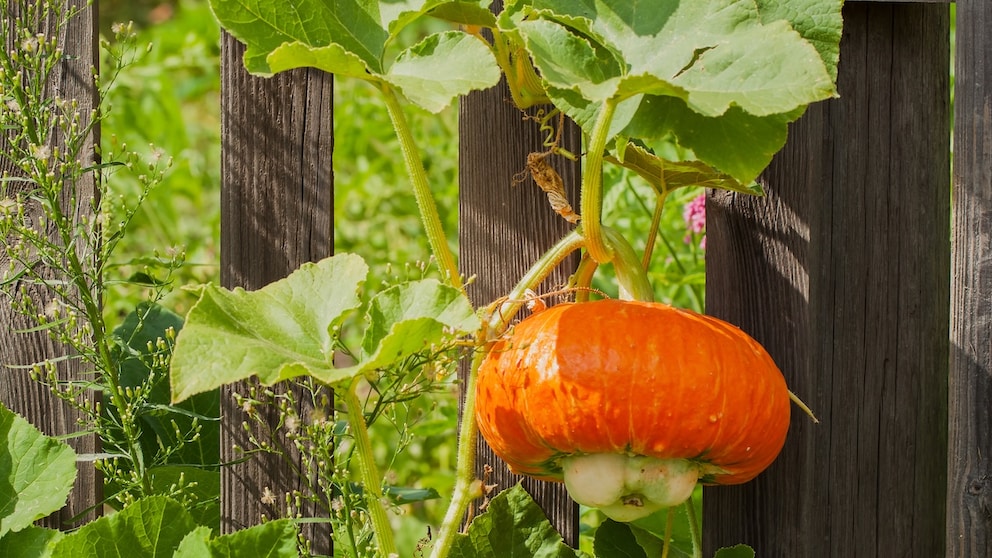
Pumpkins can grow to impressive sizes in the garden. With their long vines, they often don’t stop at the property line but grow through the fence onto the neighbor’s property. Sometimes the entire fruit is on the other side. This raises an intriguing question: Who actually owns the pumpkin? The person who planted it, or the neighbor on whose property the fruit lies? myHOMEBOOK consulted a lawyer.
The Location of the Fruit Does Not Determine Ownership
If you find a pumpkin on your property, you can’t automatically harvest it. According to attorney Nicole Mutschke, it doesn’t matter where the fruit is located, but rather which plant it belongs to.
“The neighbor cannot simply harvest the pumpkin just because it is on their side of the property,” explains the expert. As long as the fruit is connected to a plant growing on the neighbor’s property, it remains the property of the plant owner.
This may be surprising for hobby gardeners. After all, the pumpkin is visibly on their property and may even take up space. However, this alone does not justify a claim to the fruit.
Overhanging Pumpkin Vines Don’t Always Have to Be Tolerated
Even if the pumpkin belongs to the plant owner, it doesn’t mean neighbors have to tolerate every form of overgrowth. If vines or fruits extend so far beyond the property line that they interfere with the use of the property, affected parties can take action. “If the vine and pumpkin interfere with the use of his property, he can ask me as the owner to remove the overgrowth within a reasonable time,” says Mutschke. Ignoring such a request risks allowing the neighbor to take action themselves. “If nothing happens, they can generally cut the disturbing overhang on their side and keep the cut-off part, including the pumpkin.”
Garden owners should therefore ensure that pumpkin vines do not spread uncontrollably. Often, a timely pruning is enough to avoid disputes.
You Can’t Just Retrieve the Pumpkin
Many would probably just climb over the fence and harvest their own pumpkin. But this is legally problematic. “Even to harvest your own fruits, you can’t simply enter the neighbor’s property without their permission,” emphasizes Mutschke.
If you want to harvest a pumpkin, melon, or other fruits on the neighbor’s property, you should always talk to them first. With the neighbor’s consent, the situation can usually be resolved easily.
Also interesting: Roots from the neighbor encroaching into the garden? Here’s what the lawyer says

What Are the Legal Implications if You’re Allergic to Your Neighbor’s Plants?

Rock leads to dispute between neighbors! What a lawyer advises
Similar Rules Apply to Apples and Other Fruits
The question of ownership doesn’t just arise with pumpkins. The branches of fruit trees often grow beyond property boundaries. If apples hang from a branch that extends onto the neighbor’s property, the neighbor still can’t just pick them. As long as the fruits are hanging on the tree, they remain the property of the tree owner.
It’s different with so-called windfall. If an apple falls on its own onto the neighbor’s property, the neighbor can generally keep it. Anyone thinking of shaking the tree vigorously to make the fruits fall prematurely should refrain from doing so.
Unauthorized picking or shaking down of someone else’s fruits can have legal consequences. What was once often called “petty theft” now generally falls under the rules of theft. Especially if the owner does not agree with the harvesting, it can quickly lead to trouble.
A Conversation Often Prevents Neighbor Disputes
Especially with plants that grow far beyond property boundaries, conflicts are often inevitable. While the legal situation is clear in many respects, in everyday life, a friendly conversation often helps more than looking into the law book.
Informing your neighbor early on when pumpkin vines grow over the fence can prevent misunderstandings. Conversely, affected parties should not immediately reach for the garden shears but first seek a conversation. This way, the harvest can often be amicably arranged.