


July 10, 2026, 9:13 am | Read time: 4 minutes
Not everyone is fortunate enough to have a large garden. But those with a terrace, balcony, or small patch of green can create something special. More and more people are discovering container gardening—a versatile and flexible way to cultivate plants in small spaces. Whether on a balcony, terrace, courtyard, or even at the entrance, pots, tubs, and planters can be used to create individual green oases that are both decorative and practical.
What Exactly Is a Container Garden?
A container garden consists—as the name suggests—of plants that are not grown directly in the ground but are cultivated in pots, boxes, or other containers. Unlike traditional garden beds, individual plants can be flexibly arranged and moved at any time.
The design possibilities are almost limitless. A container garden can be tailored to personal preferences and available space. Options include a Mediterranean flair with olive trees and lavender, a lush flower garden, or a small kitchen garden with herbs, vegetables, and berries.
The Advantages of a Container Garden
A container garden offers numerous advantages. People without a large garden benefit, as even a small balcony or terrace is enough to successfully grow plants. Those with gardens also benefit, as container gardens do not rely on healthy soil. Even a paved area or soil that is no longer nutrient-rich can serve as a base for a container garden.
Maintenance is often easier. Weeds grow much less frequently than in garden beds, and individual plants can be watered and fertilized as needed. Additionally, the right soil can be used for each plant, which is especially beneficial when cultivating different species with varying needs together.
Another advantage is the flexibility of container gardens. Pots can be moved from one place to another to create optimal conditions for the plants. Lastly, container gardens offer many creative design possibilities. Different container sizes, materials, and heights create varied arrangements and give a balcony or terrace a personal touch.
Who Is a Container Garden Suitable for?
A container garden is suitable for anyone who enjoys gardening, regardless of their living situation.
City apartment dwellers especially benefit from this form of gardening. Flowers, herbs, or vegetables can be grown even in a few square feet. People with limited time appreciate the manageable maintenance. Since the planted area is smaller, the workload is usually less. At the same time, beginners can gain initial experience without having to establish a complete garden.
Those who move frequently or like to regularly redesign their terrace also benefit from the mobility of a container garden. The plants can simply move with them or be rearranged at any time.
5 Simple DIY Projects for Your Balcony and Garden This Spring

Flower Boxes with Water Reservoirs–Useful Addition or Unnecessary?
The Possibilities a Container Garden Offers
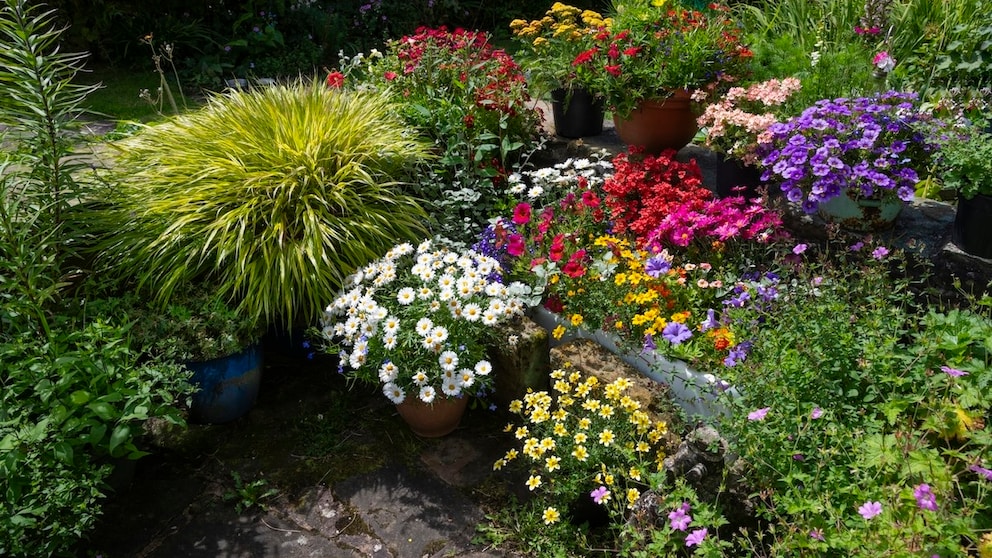
A container garden can look very different. Many choose a decorative flower garden with seasonal flowering plants, perennials, and grasses. This creates colorful arrangements that change throughout the year.
The container herb garden is also popular. Basil, rosemary, thyme, sage, mint, or chives thrive well in pots and are always at hand for cooking.
Those who want to harvest fresh fruits and vegetables can set up their container garden as a small kitchen garden. Cherry tomatoes, bell peppers, chili peppers, leaf lettuce, radishes, or strawberries can be easily cultivated in sufficiently large containers.
Even Mediterranean plants thrive in containers. Olive trees, oleander, lemon trees, or figs create a vacation atmosphere and can be protected during winter.
A Container Garden Makes Gardening Possible Anywhere
A container garden proves that a large garden is not necessary for a green paradise. The possibilities are almost limitless: whether as a blooming focal point, aromatic herb garden, or small vegetable garden. Thanks to its flexibility, this form of gardening is suitable for both beginners and experienced hobby gardeners, turning even the smallest balcony into a vibrant piece of nature.