

July 5, 2026, 10:18 am | Read time: 5 minutes
More and more people want to know where their food comes from, leading them to embrace self-sufficiency. Eggs, honey, or milk from their own garden are enticing. However, before chickens, bees, or goats move in, owners should be well-versed in legal requirements, space needs, and the animals’ demands.
Self-Sufficiency Is Trending
Highly processed foods are increasingly criticized for potential health drawbacks. At the same time, many consumers desire more transparency about the origins of their food. As a result, more people are choosing to produce animal products themselves. Eggs, milk, or honey from one’s own garden can also help reduce food expenses. However, keeping livestock requires expertise and a responsible approach to animal welfare.
Sufficient Space and Suitable Housing
Each animal species has different requirements for its care. Key factors include sufficient space, appropriate housing, and reliable protection from predators. Secure fences, barns, or enclosures are therefore essential. Additionally, the space needs of the respective animals should not be underestimated.
Those wishing to build barns or shelters may need a permit from the local building authority, depending on the state within Germany. Since regulations vary regionally, it is advisable to inquire with the local municipal administration before acquiring animals.
What Legal Requirements Apply?
If eggs, honey, or other animal products are to be sold, the activity should be registered with the trade office. Even small earnings can be taxable. The responsible trade office provides further information.
Equally important is maintaining good relations with neighbors. Bee colonies, loud clucking, or bleating can lead to conflicts, especially in densely populated residential areas. Additionally, animal welfare requirements for the respective animal husbandry must be met.
There are also other legal obligations. Most livestock are subject to the Animal Health Act and must be registered with the veterinary office and the animal disease fund. Depending on the species, additional regulations apply, such as for bee colonies.
Can You Keep a Mini Pig in a Residential Area?
Underestimated Suffering–The Dark Side of Bumblebee Breeding for Tomato Cultivation
Do Not Underestimate Ongoing Costs
Keeping livestock does not automatically save money. In addition to acquisition costs, there are expenses for building shelters, care, and veterinary services. Feed also often incurs ongoing costs, as many animals cannot survive solely on what the garden provides.
Six Popular Livestock for the Garden
Bees
Bees not only produce honey but also play a crucial role in pollinating fruit and vegetable plants. Beekeepers contribute to biodiversity conservation and support bee protection.
Beekeeping is considered relatively low-maintenance. After acquiring a beehive and beekeeping equipment, ongoing costs are usually minimal, as the bees largely take care of themselves and typically do not need to be fed. However, the nationwide bee disease ordinance requires that bee colonies be registered. Each colony receives its own registration number from the local municipal administration.
Chickens
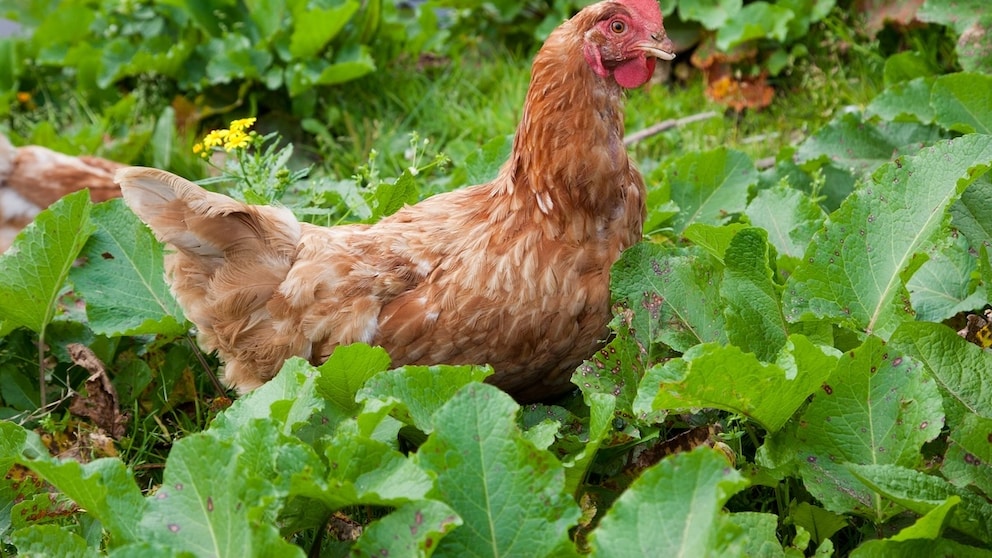
Private chicken keeping is gaining popularity as part of the self-sufficiency trend. Many owners want to control the conditions under which their eggs are produced. Some also see it as a contribution to more humane animal husbandry.
A secure coop is essential for chickens, especially to protect them from predators at night. They should also always be kept in groups of at least two to five animals. Those who wish to use the chicken manure as fertilizer must first compost it.
Additionally, there is a registration requirement with the veterinary office and the animal disease fund. Vaccinations against certain diseases are also mandatory. Further regulations are outlined in the Avian Influenza Ordinance.
Goats
Smaller goat breeds are particularly suitable for garden keeping, but larger animals are possible with sufficient space. As herd animals, goats should not be kept alone. They need a shelter that provides protection for all animals simultaneously and offers enough space for them to rest together.
Goats are active, curious, and need plenty of stimulation. Therefore, they require generous exercise areas, ideally pastures, as well as opportunities for climbing and jumping.
Their feed requirements should not be underestimated. Multiple pastures are therefore advantageous. Escape-proof knot mesh or electric fences are suitable for enclosures. Barbed wire is unsuitable for animal welfare reasons, as it poses a risk of injury.
Goats can be used as natural lawnmowers. They also provide high-quality milk and wool, which can be processed into cheese or yarn, for example. Goat manure is also suitable as fertilizer for fruit and vegetable gardens.
Sheep
The requirements for sheep keeping are similar to those for goats. Sheep also need a sufficiently large shelter where the herd can find protection from rain and rest together. A sturdy fence protects both the animals and neighboring properties.
Additionally, sheep usually need to be sheared twice a year. Proper hoof care is also part of regular maintenance.
Geese
Those who want to keep geese need plenty of space and a suitable bathing area. Since pastures often do not fully meet their nutritional needs, additional feed is required.
With good care, geese can live up to 20 years. They often develop a strong territorial behavior, guarding the home and yard like watchdogs and frequently forming a close bond with their owners.
Runner Ducks
Runner ducks are especially popular with garden owners because snails are among their preferred foods. However, they have higher care requirements than many other poultry species. They need plenty of space to move and a bathing area, ideally a garden pond.
With a life expectancy of about 12 to 15 years, owners take on a long-term responsibility. Like other poultry, runner ducks are subject to the Animal Health Act and the Avian Influenza Ordinance. Therefore, they must be registered with the veterinary office to allow for tracking in the event of avian diseases.