


June 16, 2023, 3:42 pm | Read time: 5 minutes
Sun, CO2, and water are the three fundamental conditions for plant growth. If one is missing, plants will not grow—or at least not as well as before. However, when moisture is lacking, such as from dry garden soil, additional problems arise.
In summer, it sometimes seems impossible to prevent garden soil from drying out. During long dry spells, water conservation is essential. This affects not only the plants in the beds but also the garden soil itself. Here’s how to prevent soil from drying out and what to do to loosen dry substrate.
Overview
What happens when garden soil is too dry?
Soil quality is crucial for plant growth. It is measured by factors such as humus content, soil structure, density, and water retention capacity. Dry soil fails in most of these areas. Although such soil needs water, it absorbs it poorly. Water seeps into cracks and flows directly to the groundwater, causing essential minerals in the soil to escape. Dryness makes the soil water-repellent. Because the soil absorbs water poorly, flash floods and flooding can result.
Plants also react to water shortages. Roots send out an alarm signal, releasing stress hormones. This is important because it allows plants to close their stomata on the leaves. During photosynthesis, they release water, among other things. Closing the stomata prevents the stored water in the plant from being lost. Quite clever! However, plants under drought stress cannot perform photosynthesis. Over time, they wither and die.
Also interesting: How to get rid of horsetail in the garden and use it effectively
The fauna living in the soil also depends on fresh soil, just like the plants. Small organisms such as earthworms and beetles cannot survive in dried-out soils. Without these animals, the garden soil is not loosened and hardens further.
How does water repellency occur?
When soil absorbs little or no water, it is called “water repellency.” The reason for this has to do with the composition of the soil. Soil consists of various components, including mineral parts and organic material like dead plant matter. These contain various fats and waxes. Sunlight dissolves the fats, which then settle on the mineral components. The fat acts like a seal. Water cannot penetrate and only seeps into the cracks.
How can you tell if the soil is too dry?
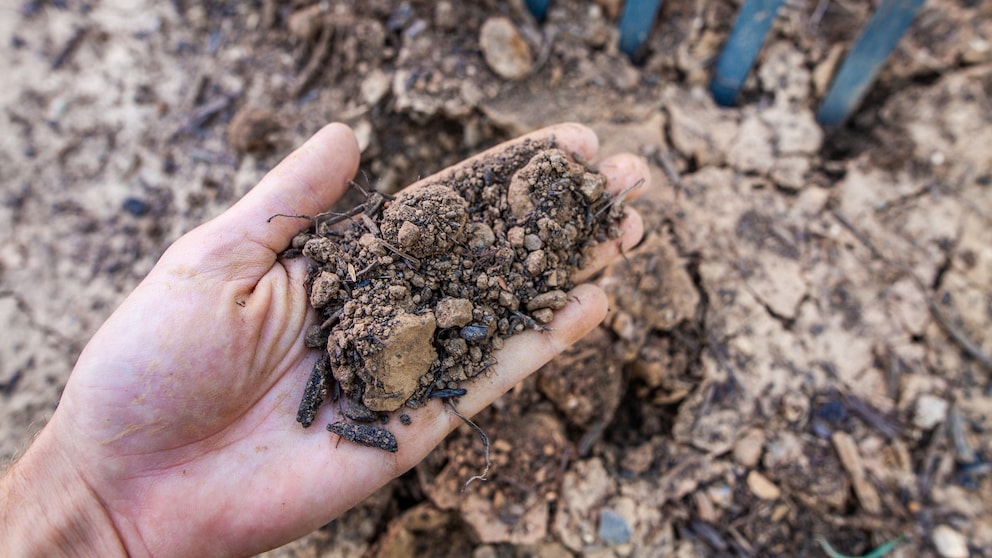
Unplanted areas exposed to the sun are particularly prone to drying out. If it doesn’t rain for a long time, the likelihood increases. You can identify dry garden soil by several characteristics. It’s literally in your hands, as the feel of the soil can provide clues. Hobby gardeners should rub the soil between their fingers. If the soil doesn’t stick, it’s dry. A moisture meter allows you to check deeper soil layers for moisture content without getting your hands dirty. Another indicator of dry soil is its color. Unlike moist substrate, dry soil is lighter.
Also interesting: 3 ways to adapt your garden to drought

How to Make Old Soil Fertile Again
What a Heat Wave Does to Garden Soil
What can you do with dry soil?
Dry soil needs water—that much is known. However, it’s about how the dry garden soil receives it. Ideally, it would be a gentle English rain. Over a long period, the soil is slowly supplied with water—not too much at once. Unfortunately, hobby gardeners can’t control the weather. But that’s okay, because you can simulate rain with a sprinkler attachment.
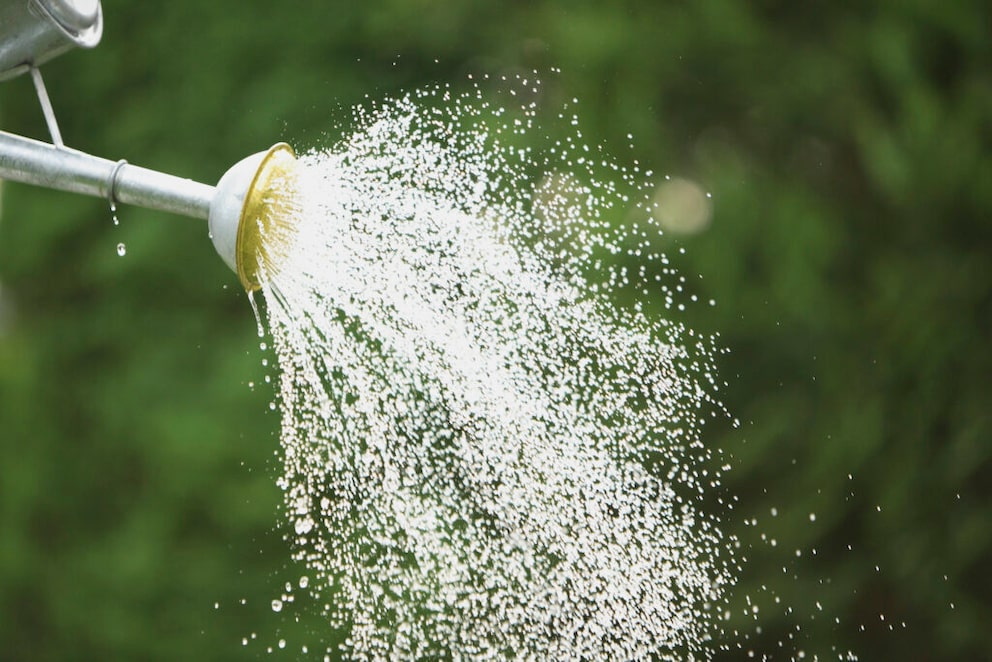
To loosen dry soil, first moisten it. Then, loosen it up. Depending on the size of the bed, a garden hoe or spade is suitable. Then water thoroughly again. You need about 10 liters of water per square meter. Repeat the process of loosening and watering two to three times. If the soil is deeply moist the next day, you can plant the bed.
Dry spells can dry out the soil even if it’s already planted. When rain approaches, the water can wash away essential nutrients in the soil’s humus layer. To prevent this, hobby gardeners can water the beds with a watering can and attachment before the rain. This washes away the fat layer, allowing the fresh soil to absorb the rain better.
How to keep the soil moist?
To rehabilitate dried-out soil, you need a lot of water. To prevent it from getting to that point, consider the following tips.
Ground cover
To protect the soil from the sun, hobby gardeners can cultivate ground cover plants. These grow densely, compactly, and flat, covering the ground—as the name suggests. Ground cover also prevents weeds from growing.
Mulching
You can cover the soil not only with ground cover plants but also with a layer of mulch. It prevents water in the soil from evaporating. An additional advantage: Depending on the type of mulch, the layer supplies the soil and plants with nutrients.
Compost
The more earthworms in the soil, the looser it is. Loose soil can retain water better and dries out more slowly. To attract these creatures, it’s worth enriching the garden bed with compost in the spring.
Related: How to compost correctly?
Green manure
A garden bed should never be left unused for too long. Plants in the bed also protect the soil from the sun’s UV rays and thus from drying out. Rain washes away essential nutrients from an open area. The soil loses its quality. This also applies to soil in balcony boxes. You can fertilize unused areas with the right plants. These low-maintenance plants protect the soil and enhance it at the same time. For green manure, lupines, clover, vetch, or mustard are suitable.