


December 14, 2025, 6:36 am | Read time: 4 minutes
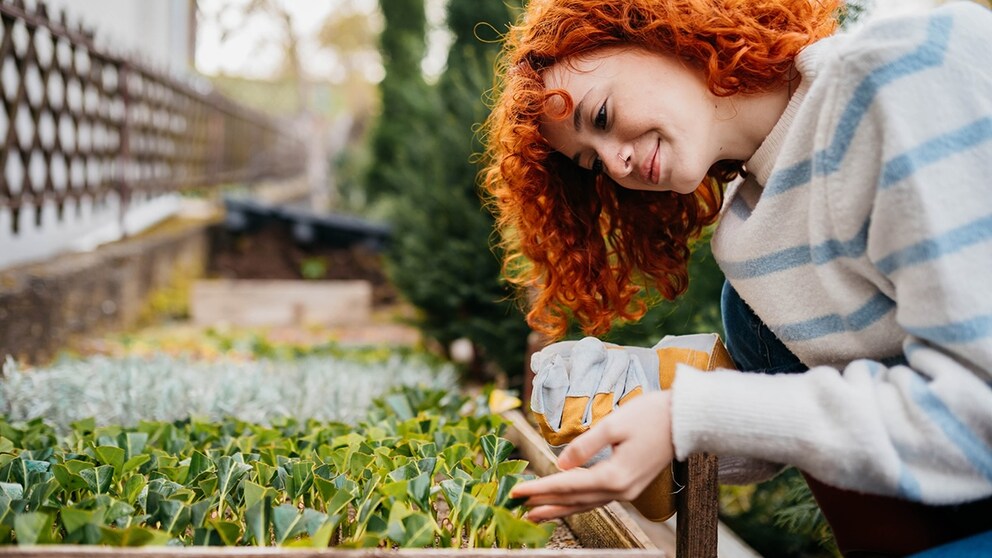
Slow gardening is not just leisurely gardening. This approach focuses on natural processes, mindful work, and a lot of calmness. It provides relaxation for gardeners and promotes a healthy ecosystem in the garden.
Picking up the kids, running a quick errand, and finishing a project that there wasn’t enough time for at the office today: Hustle and endless to-do lists dominate the lives of many people. But those with a garden can escape the high pressure of everyday life. In so-called “slow gardening,” everyday stress has no place, as time moves differently here. The seasons set the pace, and instead of perfection in the garden bed, mindful gardening with all the senses takes center stage.
Gardening in the Rhythm of Nature
Slow gardening is not a gardening method but rather an attitude that aims to let go and harmonize with the garden. Observation holds a special place. The garden follows its own rhythm, which no planning routine can capture. Some tasks are only due when the soil is warm enough, others when certain plants give their signals. For example, the blooming of forsythia indicates the right time for pruning roses. This creates a way of working that does not aim for rapid changes but allows plants and soil to develop at their own pace.
Note: The concept of slow gardening was coined by American gardener Felder Rushing, who was inspired by the slow food movement that originated in Italy in the 1980s.
Related: What to Consider in a Natural Garden
Why Slow Gardening Has a Balancing Effect
In slow gardening, the body gets moving without having to reach peak performance. Many tasks are calm and regular, and the repetitions are particularly soothing. Those who work in the garden feel temperatures and textures, moisture, and the crumbly nature of the soil. Slow gardening grounds you in the truest sense of the word.
Some studies suggest that certain microorganisms in the soil can support mental balance. Additionally, working in the fresh air invigorates the circulation and gives thoughts room to breathe. This mix of gentle movement and experienced nature helps to release the tension that everyday life brings.
Working with Natural Processes
Those who work according to the principles of slow gardening observe a lot and only intervene when it is really necessary. The soil is not turned over so that its layers and the organisms living in it remain undisturbed. Instead, new organic material is added on top: compost, mulch, or whatever is available in the garden.
In plant protection, restraint is also key, with natural remedies and simple measures being preferred. Wild herbs are allowed to remain if they do not become too dominant, as they provide for insects, protect the soil, or fill gaps. Leaves and twigs can remain in suitable places over the winter, such as under shrubs or in beds.
And faded perennials remain standing until spring. This creates retreats and small habitats that benefit many animals and are often missing in conventionally maintained gardens. This type of gardening does not aim for perfection but allows the garden to develop in a lively, diverse, and, over time, significantly more stable manner.

Trends in Gardening for 2026

Which Garden Trowels Are Really Worth It
Enjoy Gardening with All the Senses
Doing less and letting more happen not only changes the garden but also the perspective on what happens within it. Because when there is less tinkering and fussing in the garden, there is more attention for what happens naturally. Buds that open a little more each day, butterflies fluttering from flower to flower, the scents of herbs wafting through the air on sunny afternoons, or the play of light and shadow between branches and twigs: All of this becomes more visible when you take your time and don’t view the garden as a series of tasks.
With the seasons, a sense of the subtle connections between weather, growth, and soil develops. This attention not only makes gardening more fulfilling but also sharpens the sense of when plants need support.
How to Get Started
Initially, it’s worthwhile not to convert the entire garden to “slow” but to start with a small area or a few pots. Perennial species bring continuity, and robust varieties forgive small lapses, making it easier to start. Simple hand tools without much technology are completely sufficient. The key is the willingness to gather experiences step by step and to take failures in stride.