


August 26, 2025, 4:06 am | Read time: 3 minutes
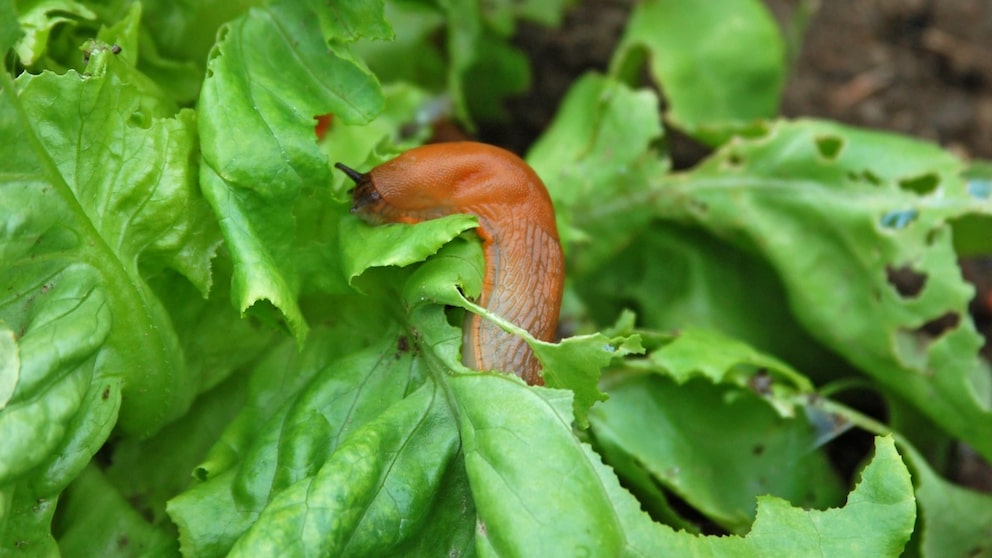
Thanks to their sticky slime, snails can also crawl up walls. This means that vegetables aren’t safe even in raised beds. Fortunately, there are various ways to get rid of snails in raised beds—without using chemicals.
Barriers Around the Raised Bed
In the shady and moist environment of a raised bed, snails feel particularly at home. To prevent these creatures from entering the bed, it’s wise to install so-called snail barriers. These special edges are designed so that snails cannot crawl over them.
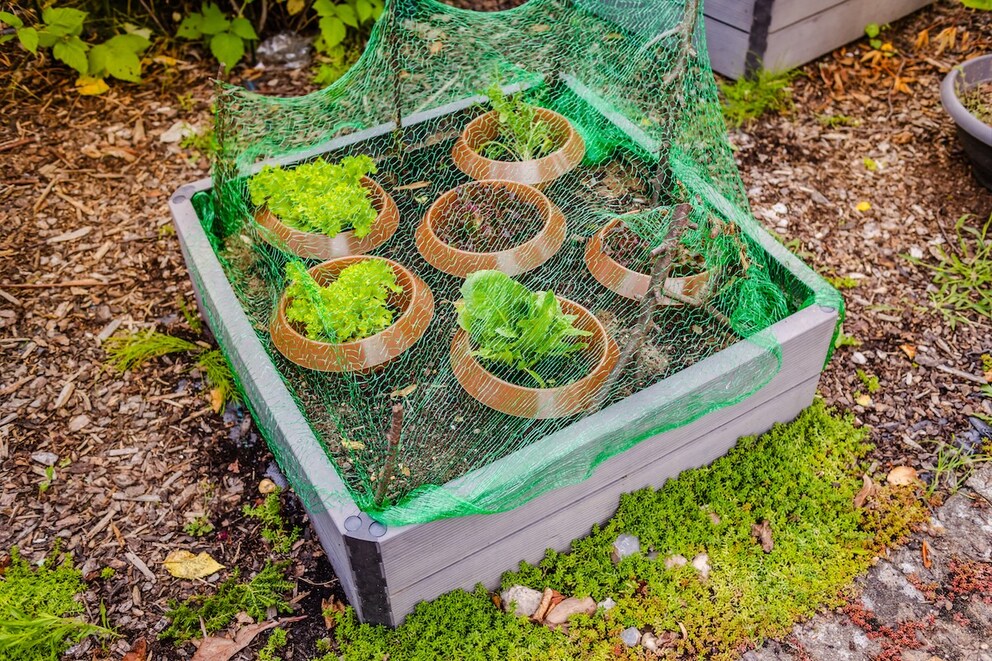
Another effective method for snail control in raised beds is using nets. These can be easily stretched over the bed and secured with sticks, for example. It’s important to choose a fine-mesh model to prevent the mollusks from crawling through.
Many hobby gardeners swear by copper to keep snails away. This can be applied as strips along the raised bed or used as copper wire. The slightly acidic slime of the snails reacts with the metal: The copper ions released in the process are mildly toxic to snails, so they usually turn back.
Barriers Within the Raised Bed
If snails do make it into the raised bed, there are ways to drive them out. Effective, though labor-intensive, is collecting the animals. You can offer them targeted hiding places during the day, such as old roof tiles or overturned, empty buckets. The snails that hide there can then be relocated to a suitable place—far from your own garden.
Undoubtedly, collecting snails is a laborious method to keep them in check in the raised bed. To make the task easier, you can use so-called snail collars. These are barriers in the form of rings placed over individual plants. Snail collars have an overhanging edge, preventing snails from reaching the plants. They are available at garden centers and can also be made with a few simple steps. This article from myHOMEBOOK shows how easy it is.
Another way to deter snails in the raised bed is to use coffee grounds. The caffeine in coffee acts as a neurotoxin for snails. At the same time, coffee grounds can serve as a natural fertilizer for many plants. However, caution is advised: It is an acidic fertilizer that not every plant tolerates. Therefore, it’s best to apply it sparingly and selectively.

Copper Tape Can Effectively Repel Snails in the Garden

How to Easily Make a Snail Collar Yourself
Natural Enemies
Birds, hedgehogs, toads, slow worms, and runner ducks are natural predators of snails. If these animals are regularly present in the garden, the number of snails decreases significantly. A nature-friendly garden design is ideal for providing them with suitable habitats and retreats.
Nematodes are also natural enemies, especially of young snails. These are microscopic roundworms that enter the snails and release bacteria, leading to the death of the infested animals within a few days.
Why You Should Avoid Chemical Agents
A common method for combating snails is using slug pellets, often containing the active ingredient metaldehyde. However, chemical agents should be avoided in raised beds whenever possible. They are not only toxic to snails but also to pets, wildlife, beneficial insects, and soil organisms in the garden.
Additionally, residues from slug pellets can be washed into the groundwater by rain. In the long term, there is a risk of disrupting the natural balance in the soil.