


April 16, 2026, 12:14 pm | Read time: 4 minutes
As temperatures rise, the desire for fresh vegetables—such as lettuce, tomatoes, or cucumbers—from one’s own garden grows. Raised beds are particularly popular for this. But when does the season for gardening in raised beds actually start, and how is a raised bed constructed? myHOMEBOOK provides an overview.
Overview
When Can You Plant the Raised Bed?
Generally speaking (as almost always): It depends on the plant. There are, of course, vegetable and fruit varieties that tolerate lower temperatures and those that need more protection from cold snaps. The overall weather conditions also determine the planting start in the raised bed.
Early Bed Phase (from March/April)
With a cover, almost any raised bed can be turned into an early bed. Some manufacturers offer custom-fit glass attachments that can be opened for ventilation. In a pinch, a small plastic tunnel will do.
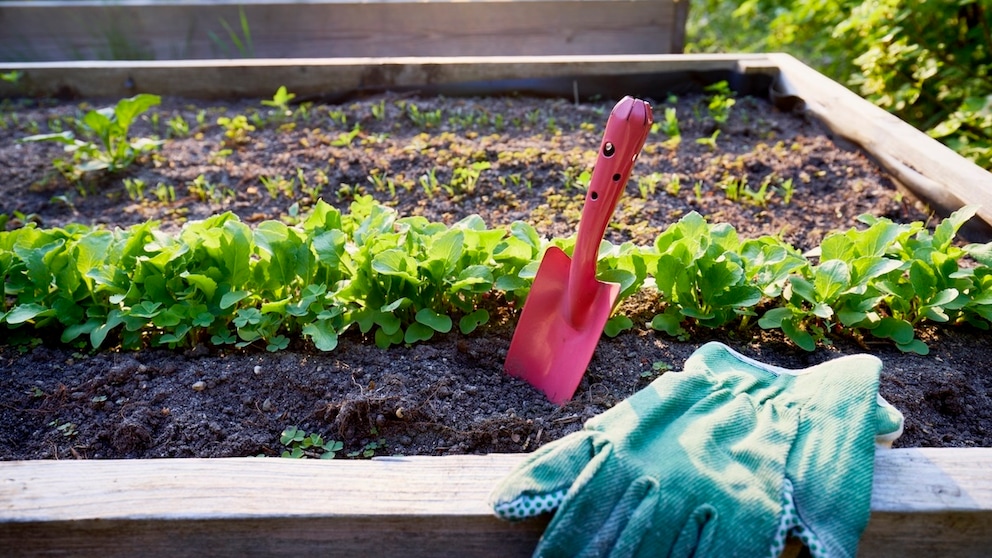
It’s important that it has ventilation holes to release excess heat and moisture. In such a protected environment, cold-resistant plant species like radishes, lettuce, and spinach can thrive as early as March. Spring onions or kohlrabi can also be ready for harvest early in the year in an early raised bed.
Related: The Best Raised Beds for Garden and Balcony
Summer Vegetables (from mid-May)
Those who start tomatoes, zucchini, peppers, eggplant, and basil on the windowsill in April can plant them in the raised bed around mid-May. After the Ice Saints, no more frosts are expected that could harm the Mediterranean plants. If you have an early bed, you can sow these plants directly under the protective cover as early as the end of April. Depending on the weather, a sudden frost can still damage the young plants.
Fall and Winter Vegetables (from late August)
With the end of summer, the raised bed season is far from over. Now, fall and winter vegetables can move in. Lamb’s lettuce, spinach, or Swiss chard can now germinate and be harvested into the winter. Kale and Brussels sprouts can also be sown now and provide winter vegetables from the garden until the following spring.
Layer Construction in the Raised Bed
Raised beds consist of different layers with various materials. These are intended to ensure good ventilation and drainage, like the bottom layer of old wood and branches. Above this, increasingly finer layers of leaf waste and compost are often applied, with the top layer consisting of mature compost or a layer of vegetable soil.

Winterize the Vegetable Patch Now

6 Winter Vegetables to Plant in Fall
When Should You Set Up a Raised Bed?
Ideally, the raised bed is set up in the fall. At that time, a lot of organic material usually accumulates in the garden. By the following spring, the raised bed can settle, and some components have already decomposed.
A new setup in the spring is also possible, but hobby gardeners should wait at least two weeks before finally planting the raised bed. Even in spring, the materials in the raised bed need to settle, and refilling with soil may be necessary.
Conclusion: A Raised Bed Can Be Planted Almost Year-Round
From the early bed with protective cover to winter vegetables—with the right materials and approach, a raised bed is usable year-round. Between the winter vegetables and the early bed in March, however, there should be a phase where new humus or mature compost is applied and allowed to settle.
The soil in the raised bed doesn’t actually need to be replaced, and year after year, new nutrients are always present in the substrate. Those who pay attention to the rotation of plant species that require different nutrients or perhaps even contribute some through nitrogen fixation at the roots (like lupines, for example) will enjoy the yields from the raised bed for a long time.

The Right Plants in the Raised Bed Against Pests
“Not only the timing but also the choice of plants for the raised bed can play a significant role in the success of the harvest. For example, combining carrots and onions in a bed keeps pests away from both vegetable types. Kohlrabi and spinach, on the other hand, make optimal use of the space in the raised bed due to their different growth forms.”