

March 14, 2026, 5:52 am | Read time: 3 minutes
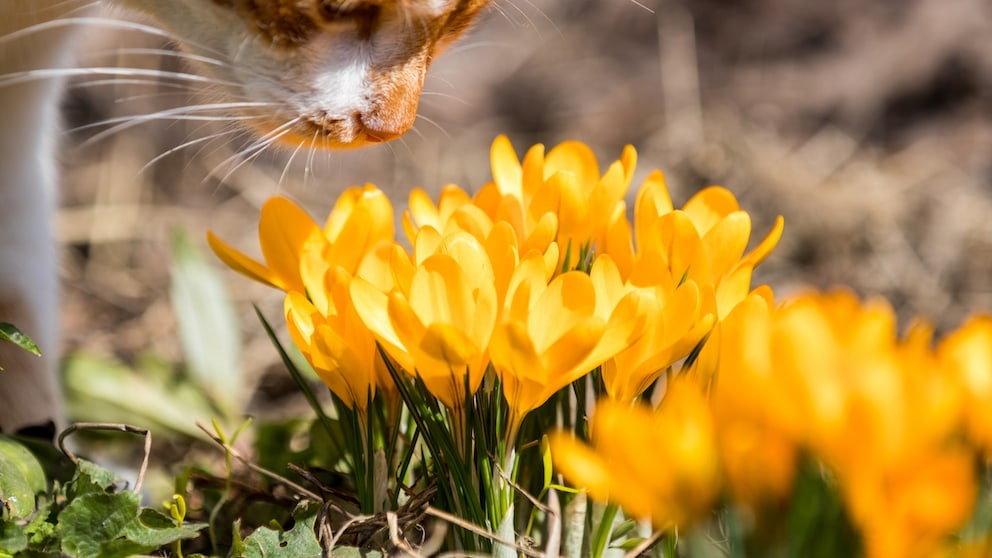
Finally, spring flowers in beds, balcony boxes, and parks are once again transforming into colorful floral landscapes. But what is a highlight for garden enthusiasts can become a health risk for dogs and cats. Many typical spring flowers contain toxins. Particularly problematic: Often, small amounts are enough.
Why Early Bloomers Pose a Risk
Many spring flowers grow from bulbs or tubers. These storage organs contain particularly high concentrations of the plant’s own defense substances. If they end up in the stomach of a dog or cat, for example, because the animal digs them up and nibbles on them, it can lead to symptoms of poisoning.
“Snowdrops and lilies of the valley, daffodils, tulips, and violets, for example, contain substances that can cause symptoms of poisoning in dogs,” warns veterinarian Tina Hölscher in a press release from the Pet Supplies Industry Association.
However, it’s not just the underground parts of the plants that are dangerous, as leaves, stems, and flowers can also contain toxins. The risk exists both in the garden and indoors, such as with potted plants or cut flowers.
Spring Flowers Pet Owners Should Know
Among the plants that can be concerning for dogs and cats are:
- Tulips
- Daffodils
- Hyacinths
- Crocuses
- Lilies of the valley
- Snowdrops
- Spring snowflakes
- Primroses
- Cyclamen
- Iris
- Christmas roses
- Violets
- Blue stars
- Wood anemones
- Winter aconites
Many of these species bloom as early as February and are widespread until May—in gardens, on green spaces, or in flower boxes.
Important: Even the water in flower vases can contain harmful substances if cut flowers are standing in it. Therefore, animals should not drink from it under any circumstances.
How Pet Owners Should React
If there is a suspicion that a dog or cat has ingested a toxic plant, do not wait. Veterinary clarification is advisable—better to be safe than sorry.
It is helpful if pet owners know exactly which plant is involved so that a targeted assessment can be made. Additionally, a photo or a plant part can support the diagnosis. However, experimenting with home remedies is not a good idea.

Watch out! These 5 Early Bloomers Are Poisonous

The Most Toxic Plants for Cats
Spring Flowers–Also a Concern Indoors
Attention is required not only outdoors but also indoors. Many early bloomers are placed in pots on windowsills or as bouquets on tables. Playful cats, in particular, like to jump onto elevated surfaces and nibble on leaves or flowers.
If you don’t want to completely forgo spring decorations, you should:
- Place plants out of reach
- Immediately remove fallen plant parts
- Regularly dispose of vase water
- Choose alternative, non-toxic species
Pet-Friendly Alternatives for Garden and Balcony
These plants are safe for pets and can be planted in the garden or on the balcony without concern.
- Pansies (Viola × wittrockiana)
- Horned violets (Viola cornuta)
- Sweet violets (Viola odorata)
- Daisies (Bellis perennis)
- Forget-me-nots (Myosotis sylvatica)
- Aubrieta (Aubrieta deltoidea)
- Moss phlox (Phlox subulata)
- Candytuft (Iberis sempervirens)
- Basket-of-gold (Aurinia saxatilis)
- Camellia (Camellia japonica)