


February 2, 2026, 9:00 am | Read time: 7 minutes
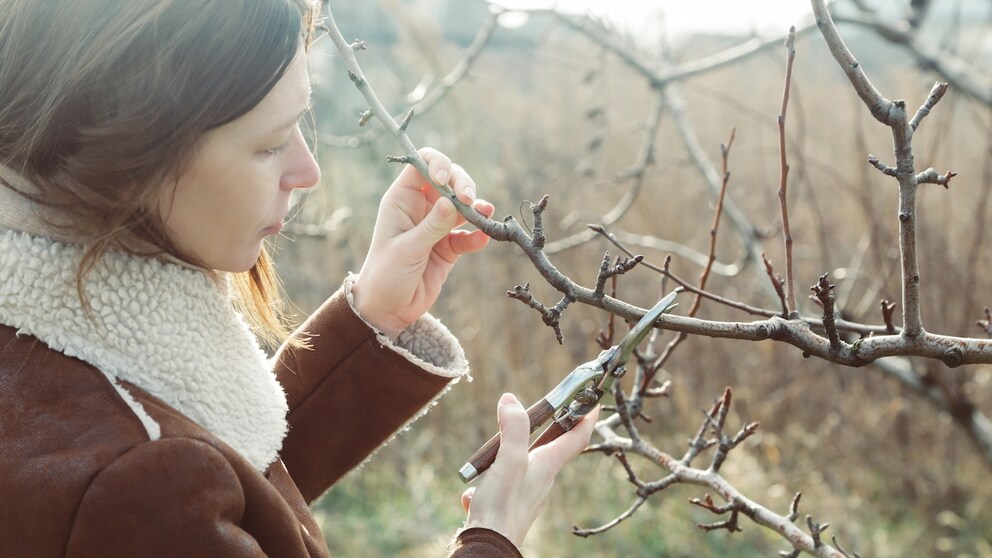
February brings the first signs of spring: Buds form on branches, and some flowers are already blooming. At the same time, this month is an important transitional period for gardeners. It’s still permissible to prune hedges, shrubs, and trees in Germany before the legal protection period begins on March 1. Fruit trees also benefit from a maintenance cut now, which promotes growth and yield. myHOMEBOOK explains which trees you can still confidently prune.
Overview
- Hedges in February: Pruning
- Tips for Pruning Hedges
- Pruning in February for Berry Bushes
- Pruning in February for Grasses
- Pruning Summer Bloomers in February
- Pruning in February for Indoor and Balcony Plants
- Tips for Pruning in February
- 3 Trees to Prune in February
- Fruit Trees That Need Pruning by March
- 3 Plants That Should Not Be Pruned
Hedges in February: Pruning
If you want to reshape or heavily prune your hedge, you should definitely do it in February. In Germany, from March 1 to September 30, protection is in place to prevent nesting birds from being disturbed or nests from being destroyed.
Finding the right time to prune hedges can be challenging. Pruning during freezing temperatures can cause frost damage to hedge plants. A mild February day is ideal. An early cut in February also has the advantage that the shoots contain little sap, making the hedge more tolerant of pruning.
Tips for Pruning Hedges
The most important rule for hedge pruning in February: Never cut the hedge narrower at the bottom than at the top. This can cause the hedge to shade itself from top to bottom, as it usually grows more vigorously at the top. The lower part of the hedge could quickly become bare as a result. A trapezoidal shape, with the narrower part at the top, is ideal for most hedge plants.
To cut the hedge crown, or the top part of the hedge, horizontally, you can use aids. Before cutting, set up two bamboo sticks vertically on both sides of the hedge and stretch a straight string between them. This serves as a guide for a straight cut.
Also interesting: Garden Tasks to Tackle in February
Pruning in February for Berry Bushes
Berry bushes, especially blackberries, should be pruned by February at the latest. Only by pruning the plant in February will the bush bear plenty of berries the following summer. Cut back the shoots that bore fruit last summer close to the ground. New shoots that have not yet borne fruit should remain.
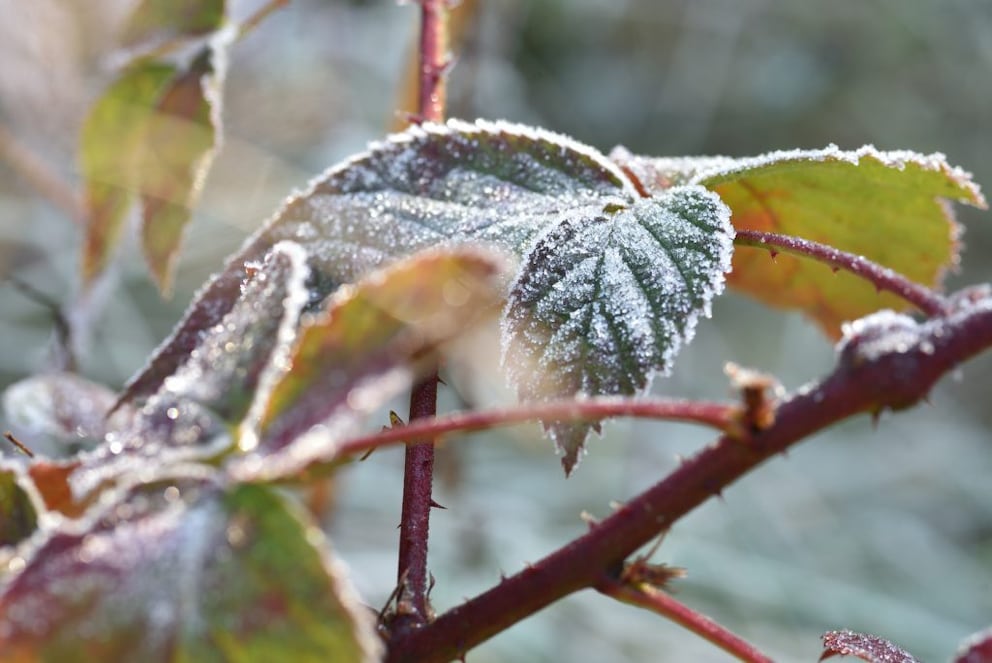
To prepare for pruning the following year, attach these new shoots to a trellis. Blackberry bushes can grow vigorously, making it easier to distinguish the shoots to be pruned during the next cut.
Pruning in February for Grasses
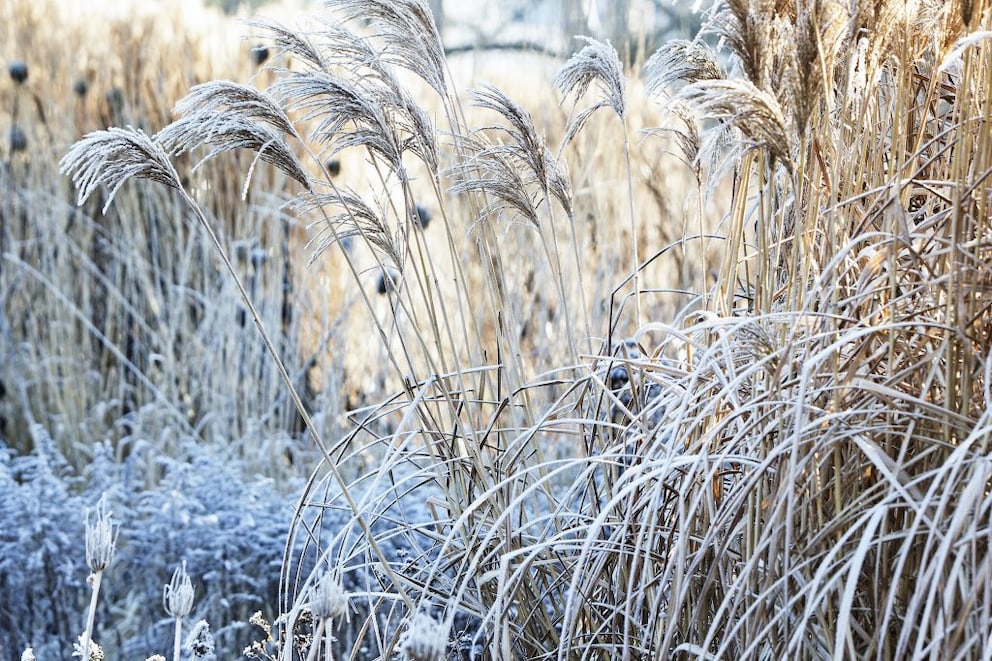
Ornamental grasses can retain their withered and dried stalks throughout fall and winter. This protects the root balls of the grasses from ice, moisture, and cold, and frost-covered grasses can be a real eye-catcher in the garden during winter. February is the time to cut back the grasses significantly so they can grow back strong and decorative in spring. The rule of thumb is to cut everything straight two handbreadths above the ground.
Related: When and How to Prune Ornamental Grasses
Pruning Summer Bloomers in February
Summer-blooming plants like butterfly bush, hydrangea, and hibiscus can also tolerate a strong cutback in February to two-thirds of their total size to encourage vigorous new growth. Fuchsia shoots should also be shortened by half now.
Pruning in February for Indoor and Balcony Plants
If you’re not only a hobby gardener but also a fan of houseplants, you can give your plants a rejuvenation cut in February. Plants in living rooms and other areas are also on the verge of a new growth period in February. The days are noticeably longer for houseplants as well. If you want to enhance the blooming power of some houseplant species, you should not skip pruning now, as it promotes strong flower formation. These species include:
- Petunias
- Geraniums
- Fuchsias
- Daisies
But also weeping fig, trendy plants like dieffenbachia, or citrus plants can be shaped and pruned back.
Tips for Pruning in February
Besides the right timing and—for garden plants—the right weather, the cutting tool is also crucial when you want to prune your plants in February. Always use very sharp knives, as thicker branches could otherwise be crushed and unnecessarily damaged. Only for grasses or very thin shoots should sharp garden shears be used.
The cut should always be clean and smooth, as pathogens or pests can settle in an unclean cut. Especially for garden plants, it’s best to angle the cut 45 degrees downward. This allows rainwater to run off ideally without too much moisture entering the shoot while the cut is still fresh.
3 Trees to Prune in February
1. Pollarded Willows
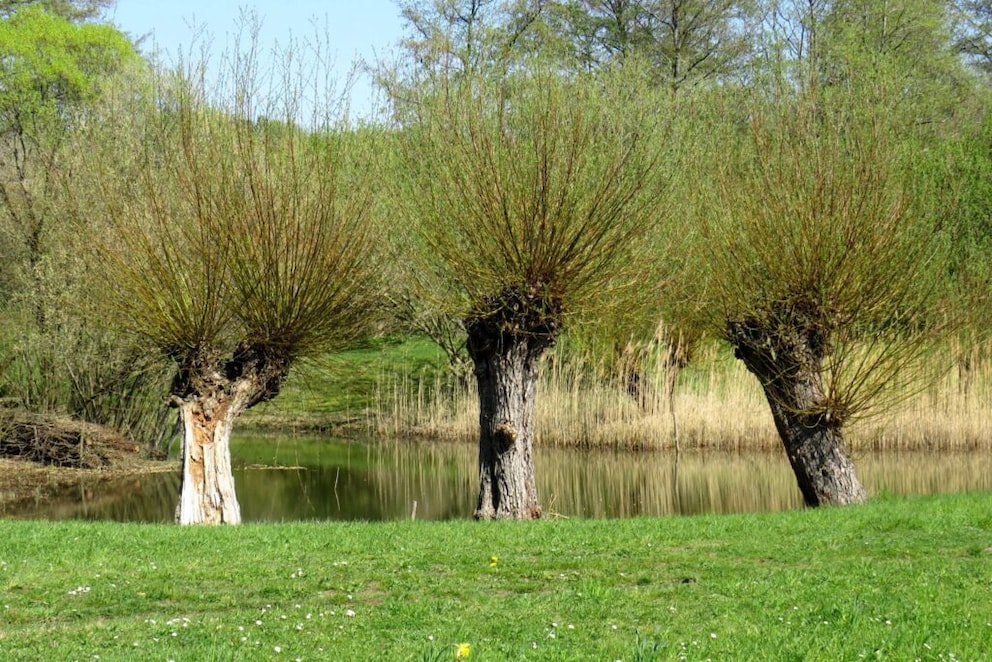
This is not actually a tree species but a special pruning form that can be applied to white willows, basket willows, or purple willows. The branches are trimmed to form a spherical shape and even maintain it over time. The optimal timing is crucial for this. The pollarded willow is one of the trees that should be pruned in February. Hobby gardeners cut back all branches to the stubs.
2. Pear Trees
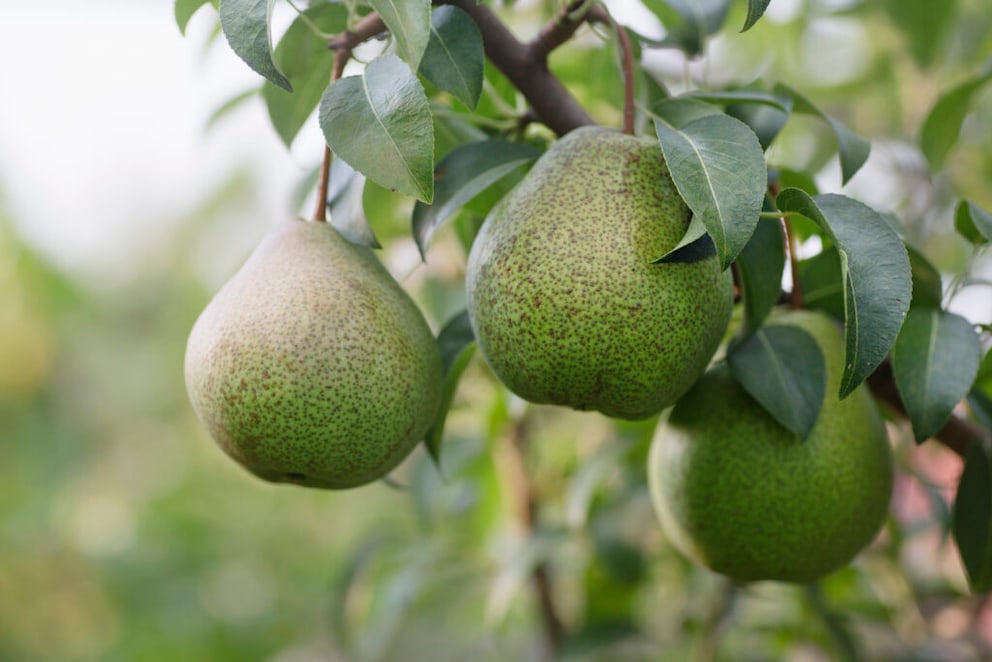
Pear trees are also among the trees that hobby gardeners should prune in February, at least if they are on a weak-growing rootstock. For fast-growing ones, the cut should be done in summer. Rootstocks are used in grafting woody plants and vegetable plants. They consist of both the plant’s root system and part of the stem.
A regular cut on the pear tree is important, as otherwise, the branches would bend toward the ground over time. To prevent this, cut the branches back directly behind the shoot. After two years, new blossoms and thus fruits can form there.
3. Apple Trees
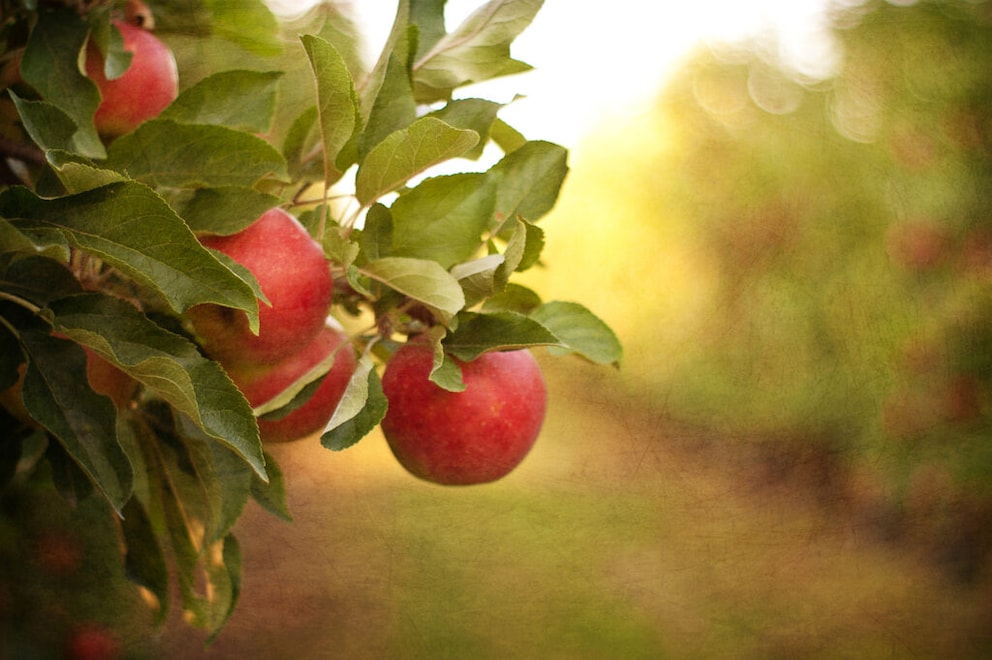
For apple trees, the rule of thumb is: The later in winter the cut is made, the weaker the tree will sprout. Therefore, it is also one of the trees that should be pruned in February. All branches that cross or grow into the interior of the tree crown can be removed. Very steeply upward-growing branches can also be cut.
These 4 Shrubs You Should Still Prune in July

How to Design Your Garden with Flowering Hedges
Fruit Trees That Need Pruning by March
In general, most stone fruit and berry trees need pruning between January and March. If hobby gardeners miss this window, the trees won’t sprout, and the harvest will be smaller. However, two varieties are excluded: peach and sweet cherry trees. They are ready for pruning only after the harvest in summer.
3 Plants That Should Not Be Pruned
If you’re pruning in the garden now, some plant species should be left out. Plants that should not be pruned in February include:
- Magnolia: This magnificent flowering tree blooms very early in spring. A radical cut in February would mostly remove the beautiful flowers. Additionally, flower buds sprout less well from thick branches. Witch hazel and hazel also fall into this category.
- Laburnum: Here, the wounds from a strong cut usually heal poorly and can significantly weaken the plant.
- Conifers: Many conifers, such as pines, should only be pruned in the needle-bearing area. On the needleless trunk, for example, most conifers do not form new shoots if branches are cut back to this point.