


May 10, 2026, 4:09 am | Read time: 4 minutes
Trees provide shade, improve the climate, and make any garden more vibrant. But as beautiful as they are, some tree species bring more disadvantages than advantages. Whether it’s aggressive root growth, enormous heights, or a high susceptibility to diseases, certain trees can quickly become a burden. To ensure the garden remains a source of joy, and no unexpected problems arise, it’s worth avoiding problematic species from the start.
1. Black Cherry (Prunus serotina)
In its native North America, the Black Cherry grows as an impressive tree. In Germany, it tends to grow more like a shrub. Despite its white blossoms in May and June and edible fruits, it’s advisable not to cultivate this undemanding ornamental tree in the garden. It is an invasive species. The Black Cherry displaces native plant species because it spreads quickly.
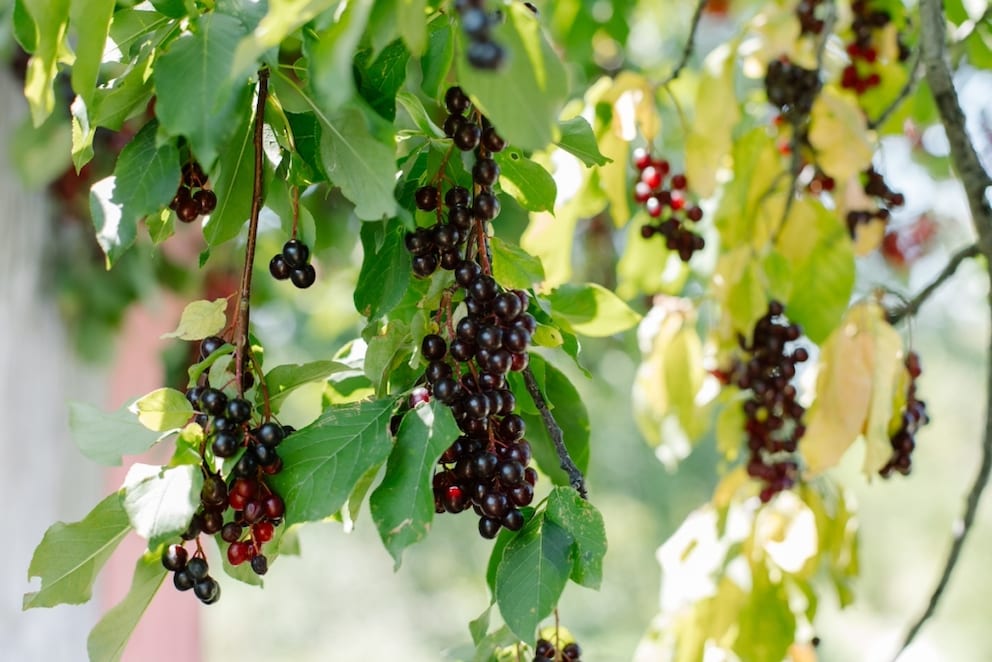
Additionally, the ornamental tree offers little benefit to local insects and other animals. Besides the ecological drawbacks, the tree can also cause problems for garden owners. It forms root suckers, which can invade neighboring areas. Thus, controlling the spread of the tree in one’s own and neighboring gardens is difficult.
Alternatives:
- Rowan (Sorbus aucuparia)
- European Bird Cherry (Prunus padus)
- Wild Cherry (Prunus avium)
2. Tree of Heaven (Ailanthus altissima)
The name Tree of Heaven suggests an impressive tree that enriches the garden. In reality, it’s best to steer clear of it, as the Tree of Heaven is on the EU list of invasive species. It can no longer be planted, sold, or imported. Yet, it grows almost everywhere—and particularly quickly. The Tree of Heaven is considered extremely invasive because it sprouts and grows vigorously. That’s also how it got its name.
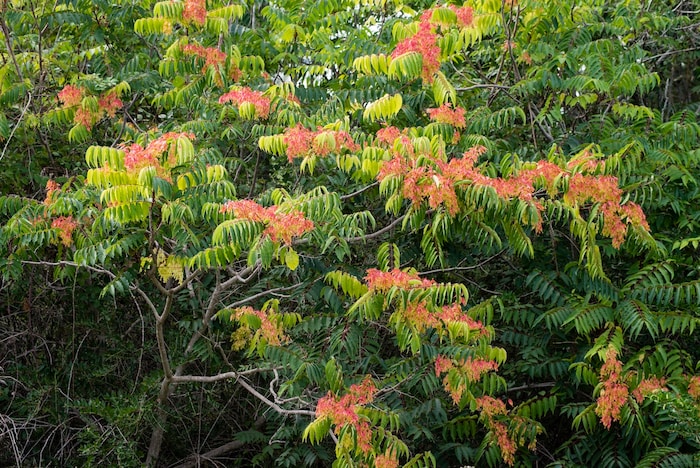
The plant has a strong will to survive and can even damage pavements and walls as it grows. Therefore, combating the tree is very difficult. Additionally, the pollen of the Tree of Heaven can be harmful to health.
Alternatives:
- Field Maple (Acer campestre)
- Service Tree (Sorbus domestica)
- Wild Service Tree (Sorbus torminalis)
3. Arborvitae (Thuja)
Even though Arborvitae has a harmless name, it is problematic for the local environment. Therefore, it should definitely be avoided in the garden, although Thuja is often found in the form of hedges here. Hobby gardeners considering planting a Thuja hedge should remember that Arborvitae is almost ecologically worthless. The plants offer little food for insects and birds.
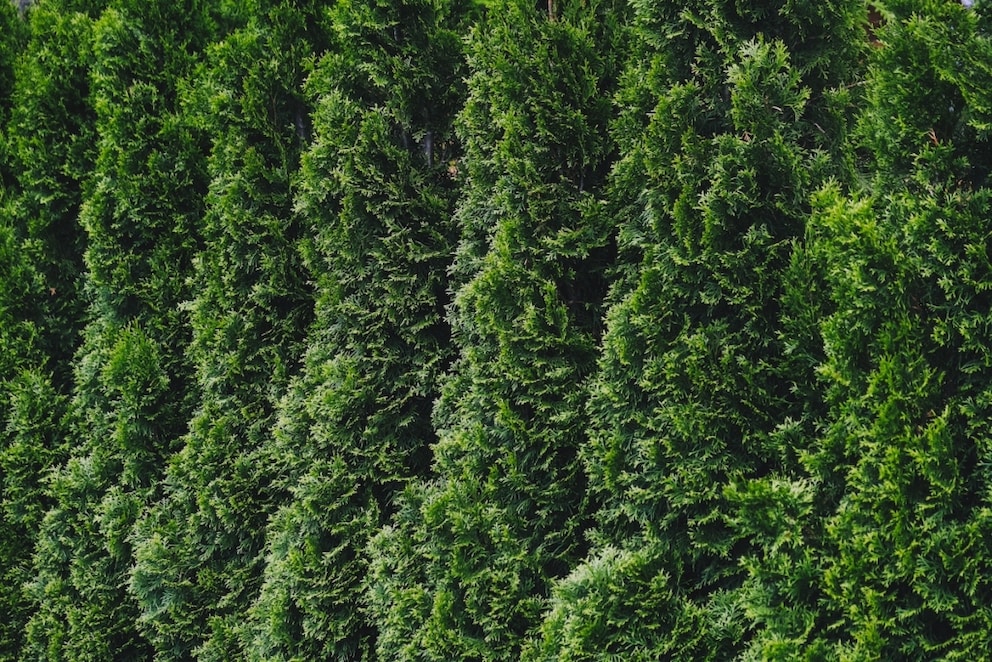
Additionally, it inhibits the growth of other plants because the soil becomes acidic from falling needles. The needles also contain a lot of resin, making them highly flammable.
Alternatives:
- Yew (Taxus baccata)
- Holly (Ilex aquifolium)
- Juniper (Juniperus communis)
Also interesting: Which Ground Covers to Avoid in the Garden
4. Rhododendron
The Rhododendron is known and loved as a shrub here. The plant is often seen in parks. However, some species can also grow as trees. Whether it’s a shrub or a tree, the Rhododendron doesn’t really belong in local gardens. It has little ecological value, offering minimal nectar or habitat for native animals.
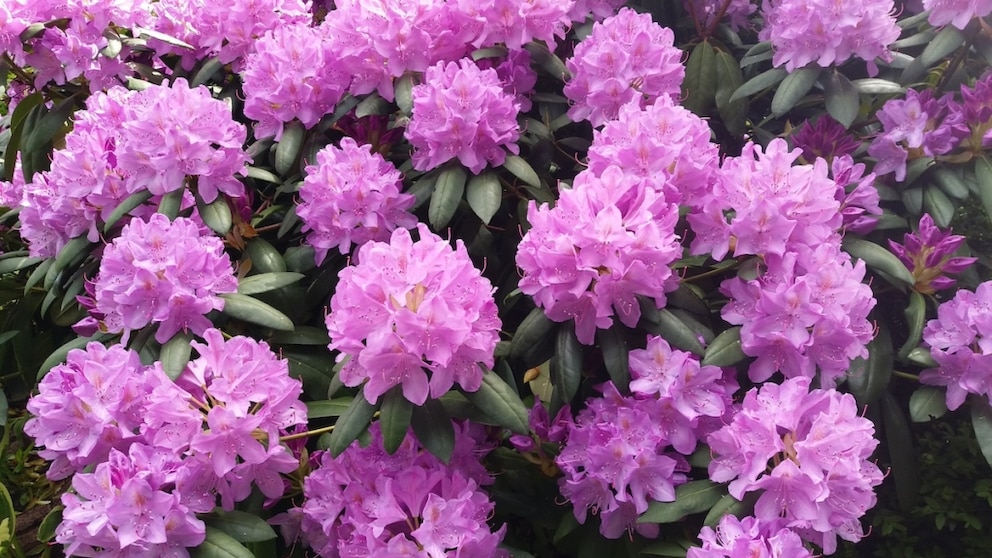
Hobby gardeners should also remember that Rhododendron is toxic—both to humans and pets like dogs.
Alternatives:
- Dog Rose (Rosa canina)
- Serviceberry (Amelanchier)
- Guelder Rose (Viburnum opulus)
Dense, Fast-Growing, Evergreen – 14 Popular Hedge Species for the Garden
Caring for Conifers in Winter
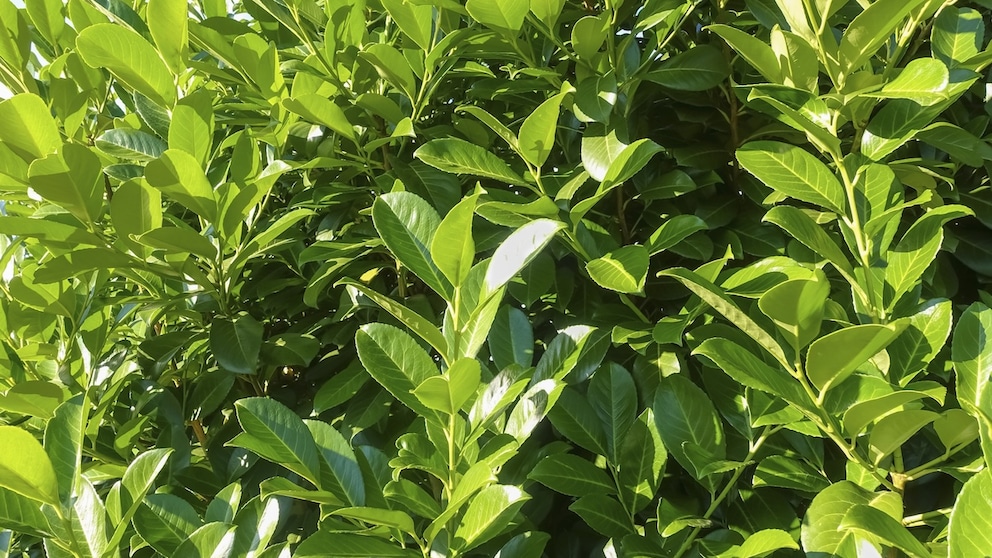
5. Cherry Laurel (Prunus laurocerasus)
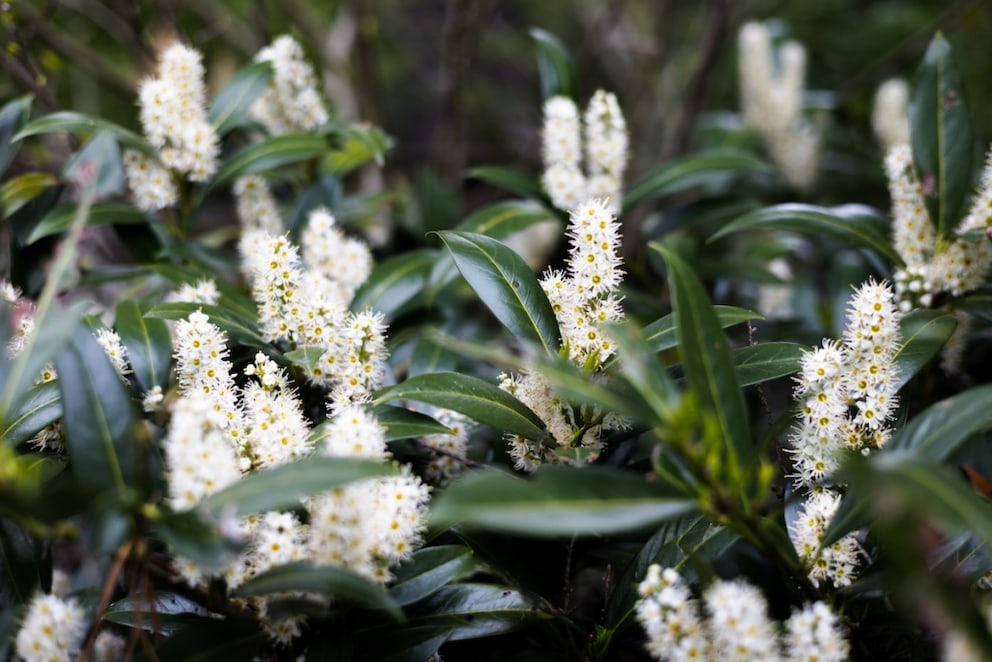
The ecological value of Cherry Laurel is also very low. Both insects and birds avoid the tree. The leaves and seeds are toxic to humans and animals. Additionally, it is an invasive species that spreads uncontrollably. For this reason, the tree is on the gray list of potentially invasive species by the Federal Agency for Nature Conservation.
Alternatives:
- Hornbeam (Carpinus betulus)
- Privet (Ligustrum vulgare)
- Beech (Fagus sylvatica)
6. False Cypress (Chamaecyparis)
The False Cypress is often found as a hedge plant in local gardens, yet it is almost ecologically worthless. Like the other trees that should be avoided in the garden, the Cypress offers little habitat for animals.
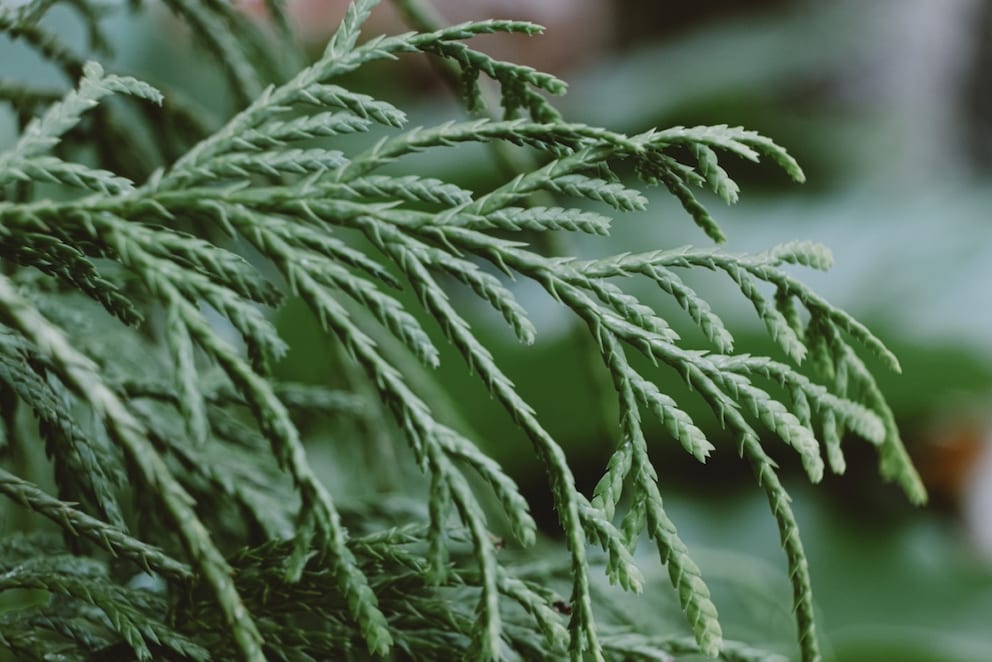
Similar to Arborvitae, also known as Thuja, the plant degrades the soil. The reason is the needles, which acidify the soil.
Alternatives:
- Yew (Taxus baccata)
- Juniper (Juniperus communis)
- Holly (Ilex aquifolium)