


July 24, 2025, 4:20 am | Read time: 4 minutes
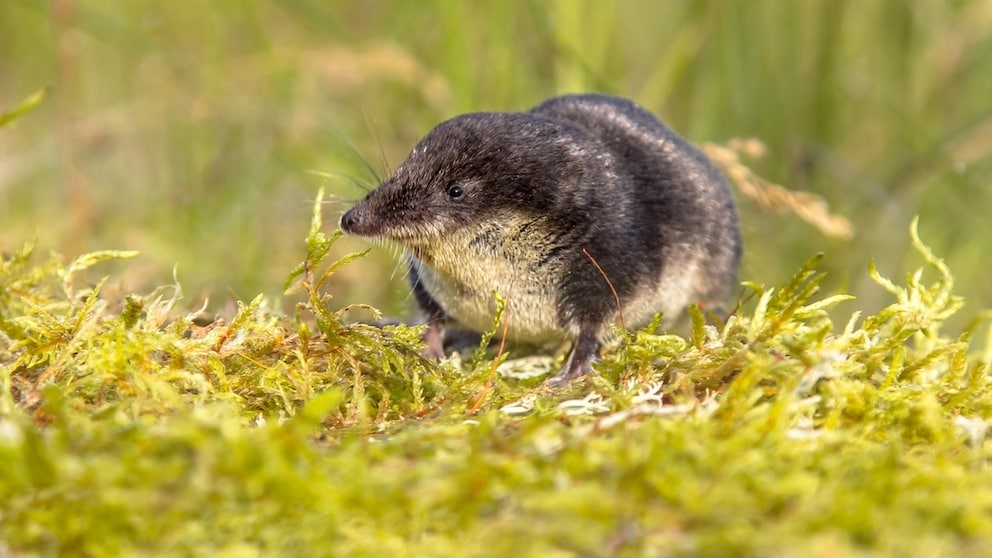
A small, round body, a fine, pointed nose, and fluffy fur–visually, the water shrew looks quite harmless, just like a typical Central European shrew. However, it is actually one of the few venomous mammals in this region. Learn how to properly handle discovering a water shrew in your own garden here.
What Makes the Water Shrew Special?
In Germany, six species of shrews are native. The largest among them is the water shrew (Neomys fodiens). It can grow up to nine centimeters long–a true giant compared to smaller species like the pygmy shrew, which only reaches about five centimeters. With its water-repellent fur and larger hind feet equipped with bristle rings, it is excellently adapted to hunting in water. Like other shrew species, the water shrew is a small predator that even hunts prey larger than itself.
However, the most remarkable feature of the water shrew is not its size or aquatic lifestyle, but its saliva–which is venomous. Venom glands are located under its tongue. With its venomous bite, the water shrew can paralyze prey such as insects, worms, or small amphibians.
By the way: The term “shrew” is somewhat misleading. It does not belong to the mouse family but is related to moles, hedgehogs, and the like. Unlike mice, shrews feed on insects and spiders.
What Draws the Water Shrew to Our Gardens?
The water shrew needs moist areas such as streams, meadow ditches, ponds, or rivers to live. If a garden contains a pond, a damp compost heap, many hiding places like leaves, stones, or wood piles, and numerous prey–including insects, snails, and spiders–it becomes a veritable paradise for these small mammals. Especially natural gardens offer ideal conditions for the animals to settle.
Correctly Identifying Water Shrew Traces
To determine if water shrews live in the garden, a keen eye is needed. You are unlikely to see the animals themselves, as they are not only extremely shy but also crepuscular and nocturnal. Finding feeding traces on small amphibians, snails, or insect remains can be an indication. Also, tunnel systems and small burrows in moist soil or near a body of water can suggest a water shrew’s presence. True certainty comes only if you observe the small predator hunting in the water.
Also interesting: Recognizing and Correctly Identifying Animal Droppings in the Garden
8 Poisonous Animals You Might Encounter in Your Garden

What to Do if You Find a Slow Worm in Your Garden
Who Is the Water Shrew Dangerous To?
Gardeners generally do not need to worry about the water shrew’s venomous bite. For one, it is rare for the small hunter to bite humans. Additionally, the bite is usually not strong enough to penetrate the skin. However, pet owners should be cautious: The neurotoxin is not deadly to cats and dogs but can still be painful.
What to Do if the Water Shrew Is in Your Garden?
In fact, humans are far more dangerous to the water shrew than vice versa. More and more natural bodies of water are being drained, altered, or used for agriculture by humans. As a result, the habitat of these voracious animals is shrinking. Due to the loss of their hunting grounds, the water shrew is now under species protection, as Geo informs. As an endangered species on the Red List of the International Union for Conservation of Nature, it may not be captured, injured, or killed.
If your garden includes a water shrew’s territory, this can initially be a reason for joy. Those who wish to tolerate the animals should avoid chemical weed killers and pest control products. However, if the small mammal is bothersome, relocation is not allowed. It is better to make the garden as unattractive as possible: Remove water features and leaf piles, reduce hiding places, and keep the garden dry overall. However, this also affects other garden animals, such as hedgehogs or birds.