

November 25, 2026, 2:08 pm | Read time: 6 minutes
Dog trainer Katharina Marioth reveals which dog breeds she would not choose and offers tips on how to find the right dog for you.
Follow myHOMEBOOK on WhatsApp now
These Breeds I Would Personally Not Choose
As a dog trainer, I love working with different dog breeds. Each breed has its quirks, charm, and challenges. However, there are some breeds I would personally never choose.
This has less to do with the breed itself and more with my personal preferences, lifestyle, and the specific requirements certain breeds bring. In this article, I want to explain why I exclude some dog breeds for myself and what factors influence my decision.
Also interesting: What really helps when the dog constantly pulls on the leash
Border Collie & Australian Shepherd – the Work Machines
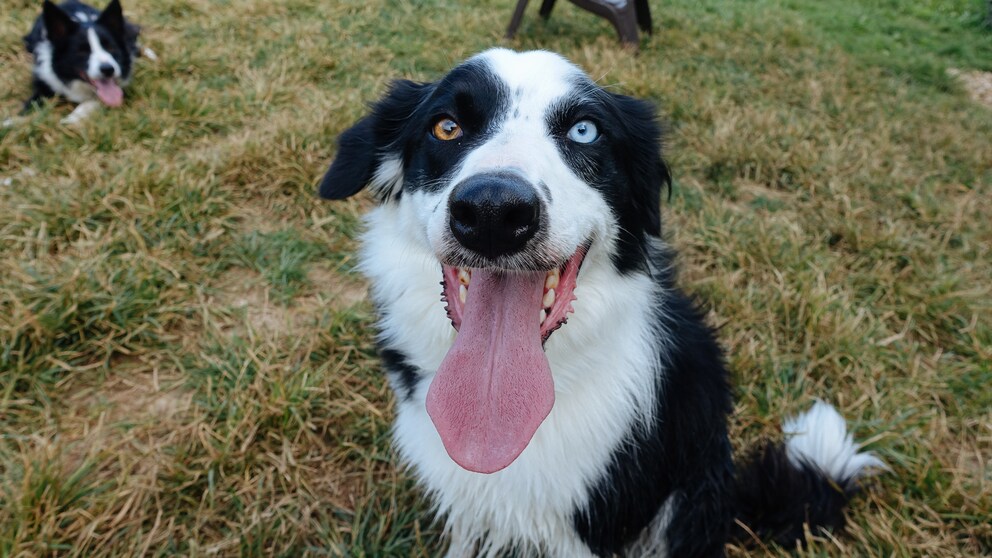
Border Collies and Australian Shepherds are wonderful dog breeds, highly intelligent, extremely eager to learn, and full of energy. However, this is precisely why I wouldn’t choose one of these dogs. They were bred for working with sheep and have an almost tireless workload. Without meaningful and intensive engagement, they can quickly develop problematic behaviors, such as constantly herding people, children, or other animals.
I know many owners who can hardly keep their Border Collies or Aussies occupied and often see these dogs develop behavioral problems out of frustration or under-stimulation. Since I don’t have my own sheep farm and can’t spend all day on highly specialized work with a dog, these breeds wouldn’t be suitable for me. Additionally, these dogs rarely learn that they urgently need an on/off mode. A dog that is always “on” and has no opportunity to relax will eventually become a problem for both itself and its owners.
Livestock Guardian Dogs – the Independent Protectors
Livestock guardian dogs like the Kangal, Kuvasz, or Pyrenean Mountain Dog were specifically bred to independently protect herds from predators. These dog breeds are extremely territorial, independent, and not reliant on human leadership like many other breeds. Their distrust of strangers and strong protective instincts make them problematic for inexperienced owners. Since I neither have a large area of land nor a herd to guard, a livestock guardian dog would not be adequately occupied in my daily life. The challenge of keeping them in an urban or suburban environment is enormous, and I don’t want to impose a life on a dog that doesn’t fit its natural instincts.
Chihuahua & Teacup Breeds – Small Dogs with Big Demands and Health Issues
Many think that small dog breeds are easy to keep. However, Chihuahuas and so-called Teacup breeds are often underestimated dogs with big personalities and high demands. Additionally, they are often the result of questionable breeding practices aimed at extreme smallness, which promotes health issues like bone fractures, organ malformations, or dental problems.
They tend to be very clingy and possessive, which can lead to problems in training. I also often see small dogs not being taken seriously by their owners and frequently being anthropomorphized. Lack of consistency and under-stimulation can lead to behavioral issues like excessive barking, insecurity, or aggression. These breeds also require training and a task, but they simply don’t fit my “preference.”
Also interesting: Why do dogs sniff people’s crotches?
English Bulldog & Pug – Health Issues as Constant Companions
I love the friendly nature of English Bulldogs and Pugs, but their health issues make it impossible for me to consider them as personal companions. The overbreeding of many brachycephalic, or short-headed, dog breeds leads to massive breathing problems, eye diseases, and orthopedic issues.
I want a dog that can move freely, run, and play without gasping for air after a few meters. Additionally, many of these dogs suffer from chronic ailments throughout their lives, requiring extensive veterinary care. I believe dogs should be bred in their natural form to be healthy, which is why I consciously avoid breeds with extreme traits that limit their quality of life.
German Wirehaired Pointer – the Performance-Oriented Hunting Dog
The German Wirehaired Pointer is a versatile and impressive hunting dog that works both in the field and in water. This breed was specifically bred for demanding hunting tasks and has an enormous drive to work. Without hunting leadership and appropriate engagement, it can quickly become under-stimulated and develop problematic behaviors.
I often see owners who get a German Wirehaired Pointer without actually being active hunters and then struggle to meet the dog’s needs. Since I am not an active hunter myself, it wouldn’t be fair for me to keep a dog with such high work demands.

Why Do Dogs Sniff People’s Crotches?

How Long You Can Leave Your Cat Alone
Choosing the Right Character Is Crucial
The decision for a specific dog breed should always be well thought out. Many people are guided by visual traits or trends without knowing the needs and challenges of the respective breed. As a dog trainer, I see daily how wrong decisions lead to frustration and problems – both for the dog and the owner.
My decision not to keep certain breeds is not because these dogs are bad or unsuitable. Rather, I want to ensure that I can provide a dog with what it truly needs. Every dog deserves a home that meets its natural needs. Anyone choosing a breed should therefore thoroughly research the characteristics, demands, and challenges to ensure a long-term harmonious relationship. In the end, despite the breed, the dog’s character always decides. This is how I have chosen all my dogs so far.
Unfortunately, I also have to accuse many breeders or private hobby breeders of simply “selling” dogs since 2020 and paying too little attention to people and their living conditions. The demand was high, and many dogs later ended up in shelters or were improperly kept due to a lack of expertise. More responsibility from breeders would have been desirable here to ensure that dogs are placed in suitable, well-prepared households.
How to Choose the Right Dog for You
- Realistically consider what you can offer your dog: time, exercise, tasks?
- Research the breed characteristics thoroughly: Do they fit your lifestyle – even in five or ten years?
- Be realistic about your experience: Can you meet the breed’s needs?
- Visit reputable breeders or shelters: Pay attention to the health and temperament of the dogs. It’s a good sign if a breeder wants to meet you multiple times or honestly tells you that there is no dog for you in this litter. Similarly, in a shelter: Show that you are genuinely interested in an animal and visit the dog more than once.
- Don’t be swayed by trends: A dog is a long-term companion, not a fashion statement or a pet influencer income source.
- Seek professional advice: An experienced dog trainer can help you make the right choice.