

November 24, 2026, 5:43 pm | Read time: 3 minutes
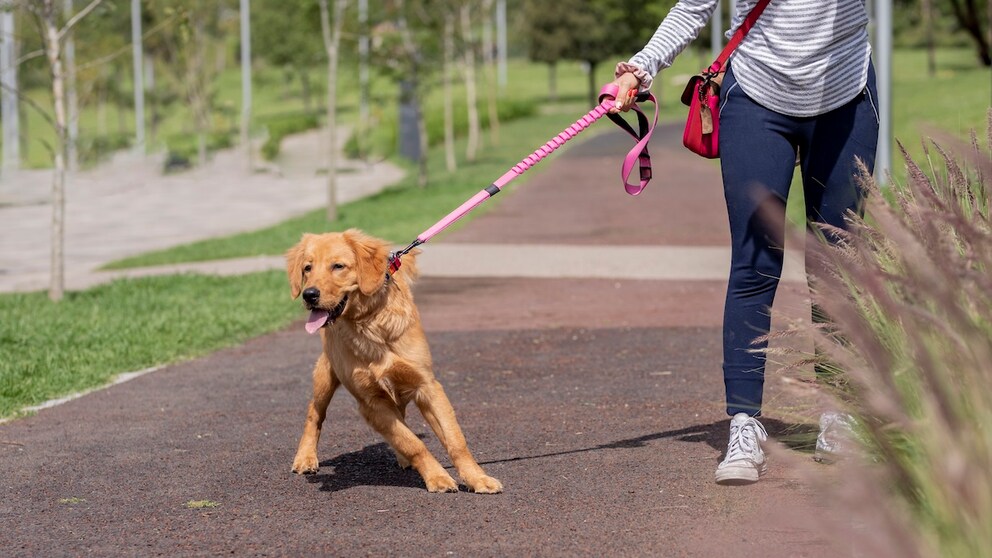
Many dog owners know the problem: Their four-legged friend pulls on the leash during walks, turning every step into a workout. But pulling isn’t a sign of disrespect or poor training, explains dog trainer Katharina Marioth. She explains why human behavior also plays a role and why there’s no one-size-fits-all solution for good leash manners.
For Dogs, It’s “Unnatural”
It’s not just the dog itself; humans significantly influence the behavior. Many owners unconsciously give in by extending their arm. This teaches the dog that pulling is rewarding. “Leash manners require time, consistency, and good reward points,” emphasizes Katharina Marioth. Additionally, the dog must first understand where its “dance area” is next to the human.
According to the trainer, there is no universal method for all dogs. It’s more about the interaction between animal, human, and environment. A very fast dog needs a correspondingly quick-reacting owner, while dogs with slower learning abilities benefit mainly from consistency. For anxious rescue dogs, it’s initially important to build trust and security. “Leash manners aren’t a matter of respect or status,” Marioth clarifies. “For dogs, it’s simply unnatural to walk slowly and controlled beside us—we must teach them fairly.”
Follow myHOMEBOOK on WhatsApp now

Why Do Dogs Sniff People’s Crotches?

5 Reasons Cats Suddenly Bite When Being Petted
Retractable Leashes Not Ideal
She also dismisses the common belief that pulling on the leash indicates a lack of bond. A dog chasing a squirrel isn’t less connected to its owner—the animal is simply more exciting at that moment. Additionally, the length of the leash plays a significant role: If you let your dog run on a long retractable leash, you can’t expect it to suddenly walk calmly on 1.5 meters.
Marioth is particularly critical of these retractable leashes. They encourage pulling because there’s always a basic tension on the leash. Moreover, the sudden locking often results in an unpleasant jerk for the dog. They are only sensible if the dog has learned to stay within its perimeter and reliably respond to stop signals. Then they can be a safe addition, such as when hiking.
3 Tips for Better Leash Manners in Dogs
- Stay Consistent
Even small exceptions shape the dog. If you give in once, it learns immediately: Pulling is worthwhile. - Train Individually
Every dog is different—speed, motivation, and learning behavior determine the appropriate method. - Use Positive Reinforcement
Calm walking beside the human should always be rewarded, such as with treats or praise.