


December 11, 2024, 12:14 pm | Read time: 3 minutes
Once a drafty spot at the window is found, steps should be taken to eliminate the draft. Because the draft allows cold and damp air to enter the room, not only does warmth escape, but the risk of mold growth also increases.
Especially in the cold season, drafts in living spaces can quickly become an unpleasant problem. They not only create a constant feeling of cold but also increase heating costs, as warm air continuously escapes and cold air enters. Often, drafty windows, doors, or small cracks in the walls are the cause, unnoticed, of this unwanted air movement. However, the problem can be solved with simple means if you specifically locate and seal the sources of drafts.
1. Identify and Stop Drafts Quickly
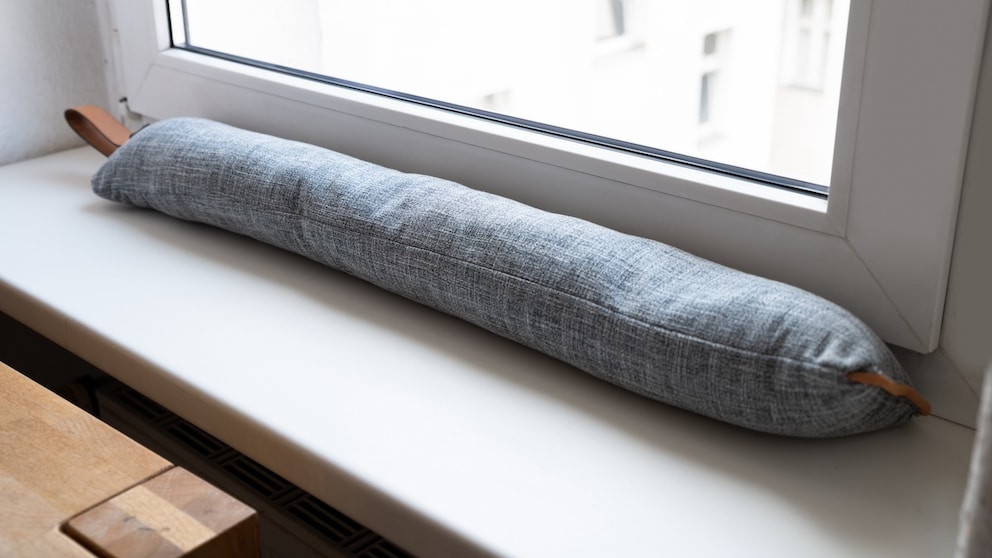
To do this, simply light a candle and hold it in front of the window or door gap. This can also be done with a match or lighter. If the flame flickers or goes out, you’ve found the leak. To stop the draft temporarily, roll up a blanket or towel and place it in front of the drafty spot. This initially prevents further warmth from escaping.
It’s best to check for drafty spots when viewing a new apartment. Later, it can be difficult to negotiate improvements or rent reductions with the landlord. Numerous court rulings are unfavorable to tenants, as they must prove that it is a “significant defect” of the apartment.
Also interesting: What to consider when ventilating rooms with houseplants in winter
How to Adjust Hinges Correctly for Crooked Wardrobe Doors

7 Practical Tips to Heat a Room Faster
2. Adjust Warped Windows
Drafts are often caused by warped windows. You can tell if a window is hard to close. A well-adjusted window should not move when open but remain stationary. You can adjust the screws on the window with a screwdriver or Allen key and lubricate the hinges with some machine oil. With old wooden windows, this is often not so easy. In this case, you should consult a professional to effectively stop drafts.
Tip: Check window and door seals for dirt. Sometimes cleaning off coarse dirt particles is enough to solve the problem. Occasionally rub graphite powder on the seals of plastic windows to keep the rubber supple.
3. Check and Replace Seals
Another cause of drafts at the window can be brittle seals or cracks at the joint. With older wooden windows, you can relatively easily insert porous seals. Thoroughly clean the underlying surfaces and then apply a new self-adhesive seal from the hardware store. Rubber seals cost a bit more than foam seals but last longer.
Related: Which seals can you replace at home?
Additionally, connections between the window and masonry may not be properly insulated. In this case, you should repair the transitions from the outside with silicone. In some cases, new insulation may also be necessary.
If the draft comes from a leaky door, you can reduce the gap between the floor and the door by removing a washer from the hinge. If there is no washer or the door won’t open properly without it, you can alternatively attach a brush seal under the door leaf. Its flexible bristles also compensate for unevenness in the floor. Textile draft stoppers placed in front of the door gap also help, although they need to be repositioned regularly.
Note: After resealing windows and doors, make sure to ventilate regularly. With less fresh air, indoor humidity naturally increases.