


October 13, 2025, 11:38 am | Read time: 5 minutes
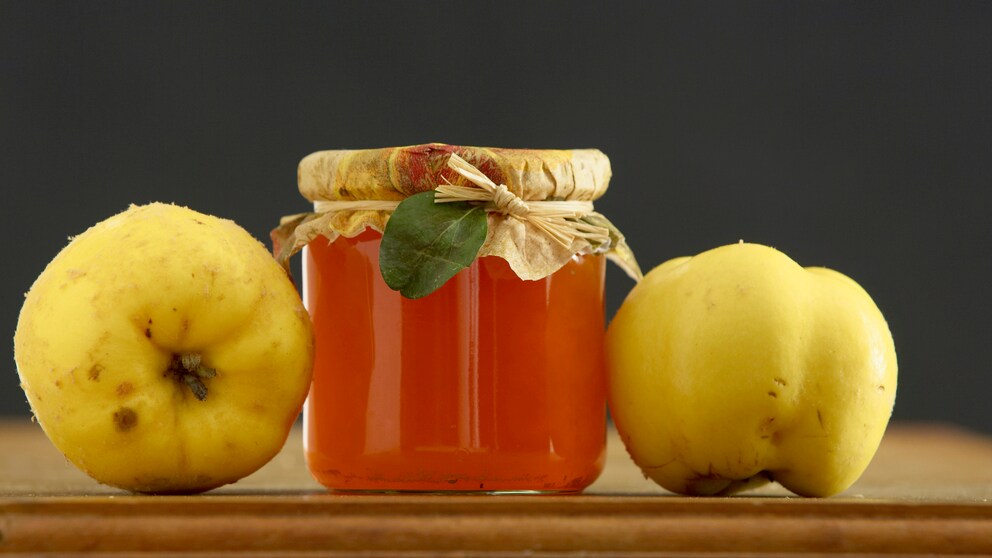
When the golden-yellow quinces are ripe in the fall, many kitchens are filled with their typical fruity-sweet aroma. Raw quinces are hardly edible—too hard, too sour and bitter, too fuzzy. However, when cooked, baked, or preserved, they release a unique aroma reminiscent of a blend of apple, lemon, and honey. myHOMEBOOK presents three classic and simple ways to process quinces–from sweet to savory.
3 Ways to Process Quinces
1. Quince Jelly–a Classic from Grandma’s Kitchen
If you love the delicate scent of quinces, you should definitely make jelly from them. First, the fruits are thoroughly rubbed to remove the fine fuzz, then washed, coarsely chopped, and cooked until soft in water. The juice is strained through a fine sieve or cloth, mixed with gelling sugar, and boiled—creating an aromatic, golden-yellow jelly. It tastes especially delicious on fresh bread, with cheese, or with game dishes.
Tip: Adding a bit of vanilla or cinnamon gives the jelly a special, wintry note.
2. Quince Puree or Compote–Fruity and Versatile
Quince puree is the perfect alternative to applesauce and pairs wonderfully with pancakes, rice pudding, or yogurt. To make it, peel, core, and chop the fruits, then cook them until soft in a little water. Puree them finely and sweeten to taste with sugar, honey, or maple syrup.
For a more refined taste, you can season the puree with spices like cinnamon, cardamom, or vanilla. Stored in sterilized jars, it keeps for several weeks and brings a touch of fall to your pantry.
Also interesting: 5 Common Mistakes When Making Jam
3. Quince Chutney–Spicy and Aromatic
Quinces can be enjoyed not only sweet but also savory. In a chutney, they are combined with onions, vinegar, sugar, and spices like ginger, mustard seeds, or curry. The mixture is cooked down until it reaches a thick, jam-like consistency. Quince chutney tastes excellent with cheese, meat, fondue, or raclette and makes a great homemade gift. It becomes especially fine when you add some apples or dried apricots, making the chutney even fruitier and sweeter.

How to Properly Process Elderberries to Avoid Toxicity

From Your Own Harvest: How to Easily Make Your Own Apple Juice
Practical Tips for Quinces Before Processing
- Properly peel and prepare quinces: The fuzz on the skin should always be thoroughly rubbed off—preferably with a cloth or vegetable brush under running water. Otherwise, it creates an unpleasant texture in the final quince product. The “hairs” also contain bitter substances that can negatively affect the taste of homemade quince delicacies. The fruits are very hard, so it’s advisable to cut them with a sturdy, large, and sharp knife. If making quince puree or jelly, they can be used unpeeled, as the aromatic substances and pectin—the natural gelling agent—are mostly in the skin. However, the fine fuzz must still be removed beforehand.
- Storage: Quinces continue to ripen but should not be left too long as they quickly develop pressure marks. It’s best to store them individually, side by side, in a cool, dry place. Avoid storing them near other fruits, as quinces emit an intense aroma that apples or pears quickly absorb. Additionally, fruits like apples (and quinces themselves) release ethylene gas, which accelerates the ripening and spoilage of other fruits. However, this effect can be used to your advantage: Want an avocado to ripen faster? Simply place it next to quinces, pears, or apples, and the exotic fruit will ripen more quickly.
- Harvest time: Quinces are in season from September to the end of October. They are ripe when their color changes from green to a vibrant golden-yellow, and their scent is distinctly noticeable. This aroma is reminiscent of a fragrant blend of apple, pear, and lemon. That’s the ideal time to harvest and process them.
Additional Recipe: Quince Bread as an Ideal Gift
Contrary to what the name suggests, quince bread is not a traditional bread but a type of confection. It can be easily made from quinces and, depending on the ingredients, is a welcome gift for autumn coffee and cake gatherings or holiday parties.
Ingredients:
- 1500 grams of quinces
- 1000 grams of gelling sugar
- 3 lemons
- Water
- Sugar
- optional: pumpkin spice or cinnamon, depending on taste and occasion
Preparation:
- Thoroughly wash quinces and rub off fuzz
- Quarter and remove the core.
- Cover with water in a large pot and cook for half an hour until soft.
- Strain the juice (can be made into quince syrup)
- Puree the cooked quinces and mix with the juice of the three lemons and the gelling sugar.
- Bring everything to a boil, stirring thoroughly, until a thick mass forms after at least 20 minutes.
- Spread thinly on a baking sheet lined with parchment paper.
- Let dry for several days, turning once in between.
- When the quince bread easily separates from the parchment paper, it’s ready and can be sprinkled with sugar and cut into diamonds or squares.

Quinces are Immune Boosters
“If you’re looking for a vitamin C-rich alternative to lemons, consider quinces. However, the content decreases when heated during the preparation of jelly and jam. Lightly sweetened quince puree contains not only vitamin C but also many fibers, making the pureed fruits a healthy fruit snack.”