


September 4, 2025, 5:59 am | Read time: 4 minutes
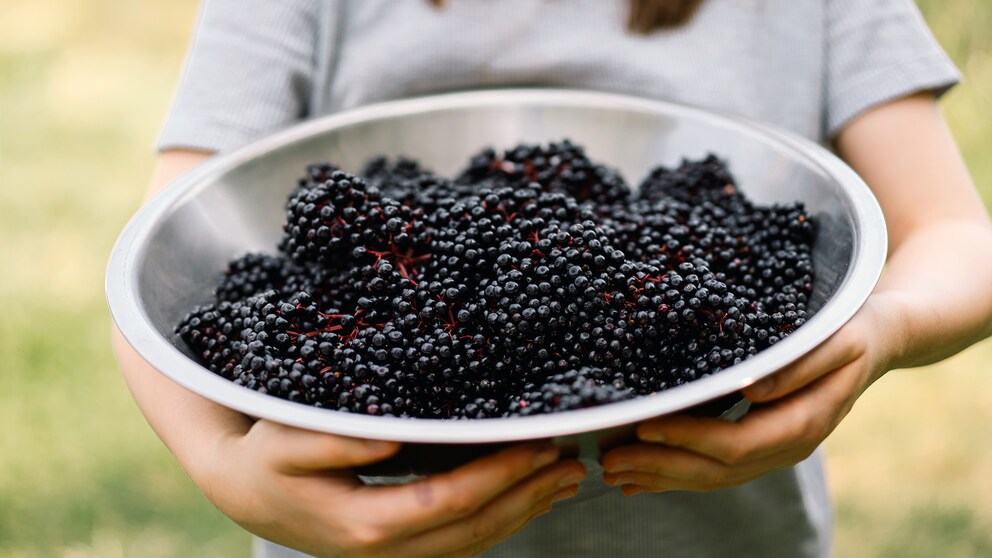
Elderberries are small vitamin powerhouses and have been considered a reliable home remedy for colds for centuries. However, to ensure elderberries are not toxic, they must be heated. Whether as juice, jelly, or syrup, the deeply dark fruits of the black elder can be used in various ways. To safely enjoy the berries, it’s important to know how to process them correctly and what to consider during harvesting and preparation.
Why Raw Elderberries Are Toxic
The fruits of the black elder (Sambucus nigra) contain sambunigrin, a cyanogenic glycoside. In the body, it can release hydrogen cyanide, which can cause symptoms like nausea, vomiting, or diarrhea even in small amounts. Children are particularly sensitive. So, snacking directly from the bush is definitely not a good idea.
Fortunately, sambunigrin is heat-sensitive: Prolonged heating above 80°C breaks down the toxin. Cooked elderberries are therefore not toxic and can be enjoyed without worry.
Differences Between Elder Varieties
Not every elder bush in the garden or nature is suitable for consumption.
- Black Elder (Sambucus nigra): Only its ripe, black fruits are edible after cooking.
- Red Elder (Sambucus racemosa): Red elder contains a much higher concentration of the toxin. The stone fruits of the red elder must also be freed from the seeds after cooking, as the sambunigrin is particularly concentrated and cannot be neutralized by heating.
- Dwarf Elder (Sambucus ebulus): Highly toxic; neither berries nor flowers should be consumed.
When collecting in nature, be sure to carefully identify and harvest only the black elder.
Properly Harvesting Elderberries
- Harvest Time: Late August to September, when the berries are deep black and plump.
- Cutting Clusters: It’s best to cut the entire clusters with scissors. This makes it easier to work at home.
- Carefully Sort: Remove unripe, red, or greenish fruits, as they contain more toxins.
- Do Not Taste Raw: Even a small handful can cause symptoms.
Processing Steps Step by Step
- Plucking: Strip berries from the clusters—this works well with a fork.
- Washing: Rinse thoroughly in a sieve.
- Heating: Simmer for at least ten minutes, preferably boil vigorously for 20 minutes.
- Processing: Further process into juice, jelly, puree, or syrup.
Uses Where Elderberries Are Not Toxic
- Elderberry Juice: Pure or with honey—a classic for boosting the immune system.
- Elderberry Jelly: Cooked with gelling sugar and lemon juice, it tastes fruity and tangy.
- Compote: Pairs excellently with pancakes, waffles, or rice pudding.
- Liqueur: Made with sugar and alcohol, an aromatic digestif.
- Elderberry Syrup: Popular as a base for tea, spritzers, or to enhance desserts.
Also interesting: Cooking Sage Syrup and Preventing Colds
Recipe for Elderberry Syrup
Elderberry syrup is not only delicious but also a proven home remedy during the cold season. Here’s how to make it:
Ingredients:
- 2 kg ripe elderberries
- 1.5 l water
- 1 kg sugar
- Juice of 2 lemons
- Optional: some fresh ginger or cinnamon
Preparation:
- Remove berries from the clusters, wash thoroughly, and place in a large pot.
- Cover with water and simmer for about 20 minutes until the berries burst.
- Strain through a fine sieve or cloth and collect the juice.
- Bring the juice to a boil again, stir in sugar and lemon juice. Add ginger or cinnamon for more flavor if desired.
- Fill into sterilized bottles while still hot and seal immediately.
Storage and Shelf Life of Elder Products
- Juice and Syrup: In clean bottles, they last several months if stored in a dark, cool place. Opened bottles should be kept in the refrigerator and used within a few weeks.
- Jam and Jelly: Cooked in jars, they can be enjoyed for up to a year.
- Freezing: If you’ve collected many berries, you can also freeze them in portions after cooking.

3 Ways to Process Quinces in the Fall

3 Ways to Process Plums
Health Benefits of Elderberries
Elderberries are rich in vitamin C, potassium, iron, and antioxidants. They are believed to have anti-inflammatory and immune-boosting effects. In folk medicine, elder products are traditionally used for colds and fever.
Conclusion
Elderberries are a healthy and versatile gift from nature—as long as they are processed correctly. Raw, they are toxic; cooked, they are safe and very flavorful. Whether as syrup, juice, or jelly: Those who harvest the berries in late summer and prepare them carefully will have a supply of healthy delicacies throughout the winter. However, processed elder products usually contain a lot of sugar. Therefore, enjoy them in moderation.

Pro Tip for Cold Season
“If you want to have a quick portion of homemade elderberry juice on hand in winter, you can freeze it in an ice cube tray in the fall. The elderberry juice cubes can then be transferred to a freezer bag and are ready in portions. This way, elderberry juice is always quickly available in winter when a cold is coming on. Warmed briefly with some honey, it can be a proven home remedy—and tastes much better than any cough tea from the pharmacy.”