

September 30, 2026, 4:49 am | Read time: 4 minutes
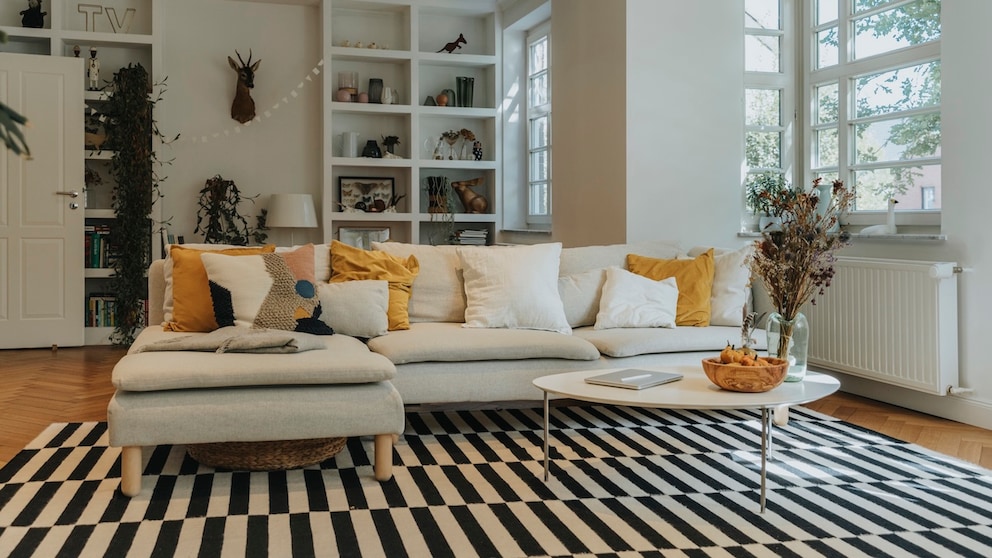
The living room is often the heart of the home: It’s where we relax, read, watch TV, entertain guests, and sometimes work or eat. As a result, things that don’t have a designated place tend to accumulate quickly. myHOMEBOOK shares the best tips for tidying up the living room to prevent clutter from forming in the first place.
Follow myHOMEBOOK on WhatsApp now
1. Opt for furniture with built-in storage
If you’re constantly battling clutter in the living room, consider choosing furniture with ample storage. A coffee table with drawers, a sofa with a built-in storage compartment, or a sideboard with closed sections can be real organizational helpers. Remote controls, games, charging cables, magazines, or throw blankets can quickly disappear into these spaces yet remain easily accessible.
Furniture that combines multiple functions is especially practical. For example, a storage ottoman can serve as both extra seating and a storage solution. This way, you can maintain order without filling the room with additional cabinets or shelves.
2. Closed cabinets create a calmer overall look
Open shelves can look nice but also risk appearing cluttered. Books, vases, baskets, pictures, and other items are always in view and can create a sense of disorder, even if everything has its place.
Closed fronts, on the other hand, provide visual calm. Everyday items can easily disappear behind doors or in drawers. If you can’t do without open shelves, consider combining both options: Keep a few selected pieces visible while everything else finds its place behind closed fronts.
3. Less is sometimes more
Decor makes a living room personal and cozy. However, too much of it can quickly have the opposite effect. If every free surface is covered with candles, vases, figurines, pictures, and other accessories, the room can quickly feel overcrowded.
Instead of displaying as many favorite pieces as possible at once, it’s worth being selective. A larger vase, a beautiful lamp, or a special picture can often have more impact than many small items. Regularly rotating your decor allows you to keep your favorite pieces without sacrificing variety.
4. Intentionally plan for open spaces
Order doesn’t mean every surface must be used. On the contrary, open spaces contribute to a tidy and spacious feel. Therefore, coffee tables, sideboards, and shelves shouldn’t be completely filled.
A good approach is to intentionally leave small “empty spots.” There should also be enough space between furniture pieces to prevent the room from feeling too crowded. This can make a big difference, especially in small living rooms. Fewer pieces of furniture and more room to move often make the space appear larger.
4 interior tips for decorating a sideboard attractively

A New Housing Trend Embraces ‘Midimalism’
5. Store cables as invisibly as possible
Cables are one of those small things that can quickly make a room look chaotic. TVs, gaming consoles, speakers, and charging stations often come with a whole collection of cables.
Cable channels, cable boxes, or Velcro straps help tame the cable mess. A fixed charging station can also be useful. Instead of having multiple charging cables scattered across the sideboard or floor, smartphones and other devices get a designated spot. This not only creates more order but also makes daily life easier.
Also interesting: Power strip behind the couch–practical or dangerous?
6. Don’t let the coffee table become a dumping ground
The coffee table quickly becomes a catch-all for everything. Cups, magazines, remote controls, mail, and snacks end up there and often stay there. That’s why a simple rule is worthwhile. Only a few items should remain on the coffee table permanently. A small bowl, a vase, or a book can serve as intentional decor. Everything else should return to its proper place after use. Regularly clearing the table surface instantly gives the feeling of a tidy living room.