

August 29, 2026, 2:34 pm | Read time: 5 minutes
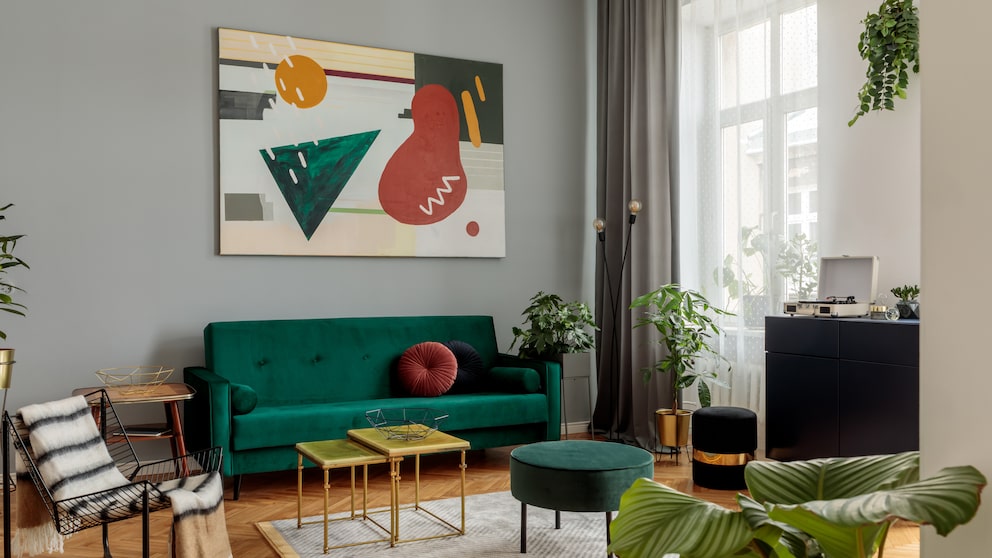
Everyone knows the terms “minimalism” and “maximalism.” Two interior design styles that could hardly be more different. However, a new home trend shows that there is indeed a middle ground. “Midimalism” combines the best features of both approaches and demonstrates how the two trends can be merged.
What Do Minimalism and Maximalism Actually Mean?
To understand midimalism, one must first recall what exactly lies behind minimalism and maximalism.
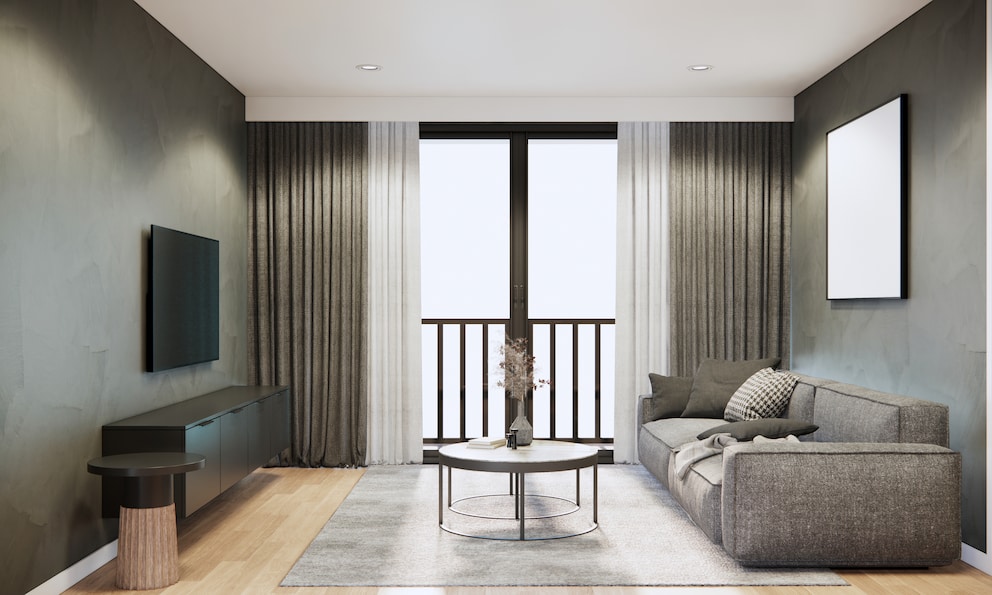
Minimalism follows the motto “less is more.” The focus is on reducing the furnishings to the truly necessary items. Less emphasis is placed on luxurious furniture and opulent design trends. Instead, the focus is on furniture that genuinely enhances living and offers practical value.
Characteristic of minimalism are simple and smooth surfaces. Closed and tidy cabinets, as well as only a few pieces of furniture, are typical of this style. In addition to neutral colors, the minimalist trend avoids bold patterns and bright colors.
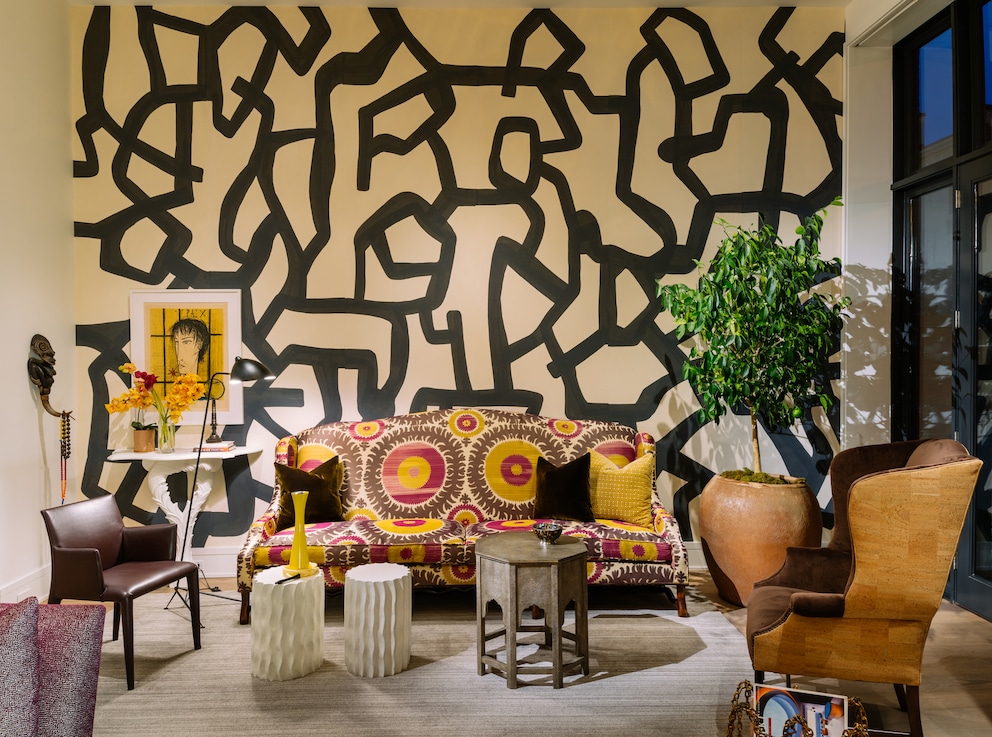
Maximalism describes the complete opposite. Here, the motto “more is more” is clearly in the foreground. Unlike minimalism, which focuses solely on the essentials, maximalism embraces colorful variety and the deliberate combination of diverse design styles.
Typical are bold colors and many different patterns that are combined. Various materials are also used, and furniture made from different fabrics finds its place in the living space. What might be too much for minimalists is precisely what appeals to maximalism enthusiasts. The rooms appear lively, individual, and full of personality.

What Is Maximalism?
6 Trends for Living Rooms in 2026
What Midimalism Is All About
The trend of midimalism aims to balance the two design trends of minimalism and maximalism. It emerged mainly from the desire of many people for living spaces that appear tidy and calm but not cold or impersonal. While minimalism often reduces to the essentials and maximalism deliberately combines many colors, patterns, and decorative elements, midimalism seeks to connect the positive aspects of both styles.
This involves selecting fewer pieces of furniture and focusing on quality over quantity. At the same time, personal items, bold color accents, or special decorations can be consciously integrated into the living space. Everything has its purpose but does not have to be inconspicuous. Instead of empty and sterile, the space should feel inviting, individual, and lived-in.
3 Ways to Implement Midimalism
In a midimalist living room, one should not simply imagine a plain living room with a few additional decorative elements. Rather, it’s about combining the calm of minimalism with more personality and selected accents. This creates a living space that appears diverse without being chaotic or cluttered.
1. Reduce Items
The key to midimalism is selecting and decluttering. This doesn’t mean throwing away everything in sight. It means skillfully choosing items and furniture for the interior that have practical use but are also of personal significance. Vases, paintings, and other decorations that tell a story can be skillfully combined with the rest of the furnishings to create a cohesive overall picture.
Furniture or items that are never used and have no emotional connection can still be decluttered. Instead of many small decorative items, midimalism focuses on a few selected pieces that are intentionally highlighted. A large framed photo, a special ceramic vase, or souvenirs from travels can, for example, have more impact than numerous scattered accessories.
2. Choose Patterns and Materials Consciously
The goal of midimalism is to use natural and consciously chosen materials. Furniture can be made from materials like natural stone, solid wood, wool, ceramic, and leather.
For patterns, the motto is: less, but more targeted. Instead of combining many different designs, a few accents are set. For example, a patterned rug can become a focal point, while the sofa and curtains are kept more simple. The style appears particularly harmonious when different materials are combined, such as a wooden table with ceramic decor or a linen sofa with wool cushions. This creates depth and coziness without the room feeling cluttered.
3. 60-30-10 Color Rule
The so-called 60-30-10 rule serves as a simple guide for harmonious color design in living spaces. Sixty percent of the room is dedicated to a dominant main color, such as for walls or large pieces of furniture. Another 30 percent is designed with a complementary secondary color, for example, in rugs, curtains, or smaller furniture. The remaining 10 percent is reserved for accent colors, which add pops of color through pillows, vases, or other decorative elements. This creates a balanced overall picture without the room feeling cluttered.
The rule fits particularly well with midimalism. A calm base in beige, cream, or gray provides the desired order and clarity. Warmer tones like terracotta, olive green, or dark blue can be added to give the room more personality. Individual accents in mustard yellow, Bordeaux red, or brass finally set targeted highlights without disturbing the relaxed atmosphere. In this way, the room appears neither too plain nor cluttered and finds the balance that characterizes midimalism.