


December 2, 2022, 1:12 pm | Read time: 3 minutes
A detergent from nature? In times when many things are becoming more expensive, this might be a promising way to save money. Some websites even recommend ivy as a detergent. But does it really work? myHOMEBOOK asked an expert.
Ivy grows almost everywhere, whether in winter or summer. Sometimes the climbing plant grows so vigorously that it becomes difficult to get rid of. However, ivy can still be used effectively afterward. The internet is full of guides on how to use ivy as a detergent. A professional explains on myHOMEBOOK whether it really works.
Overview
Washing Laundry with Ivy
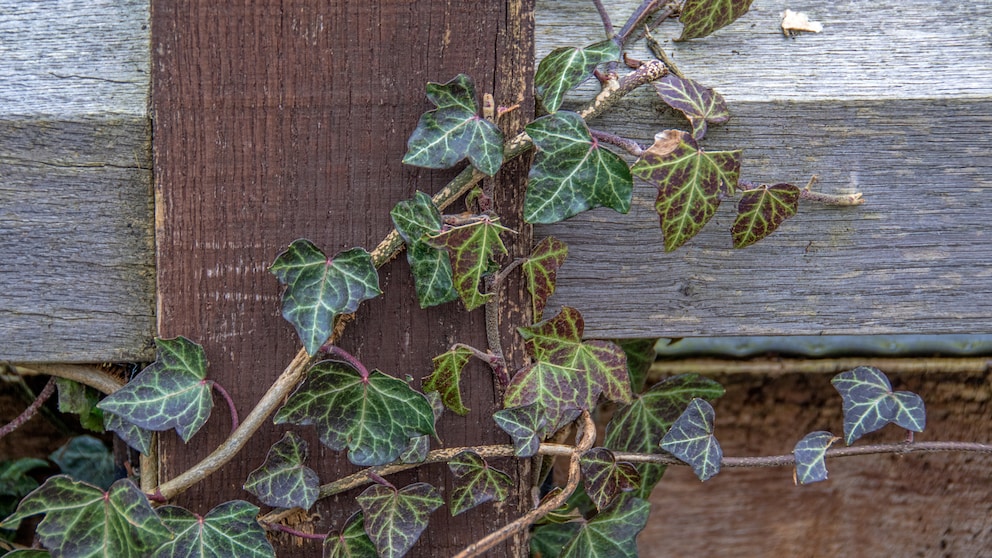
If you enter the words “ivy” and “laundry” into an online search engine, you’ll be flooded with instructions, tips, and tricks for washing laundry with ivy. Ivy contains what are known as saponins, which are washing-active substances. These are also found in the well-known soap nuts. You can put the ivy leaves directly into the drum or make a decoction and then add the homemade liquid detergent to the washing machine. But does it work?

Can a Laundry Ball Really Replace Detergent?

Why the washing machine’s quick wash program does not save money
Is Ivy a Good and Affordable Detergent Substitute?
It sounds so easy: Put a few ivy leaves in a bag and toss it into the drum. Or soak the leaves in water to create a concentrated solution. Even the BUND Landesverband Hessen e. V. advocates for using ivy for washing. But that’s nonsense, says Bernd Glassl from the German Cosmetic, Toiletry, Perfumery and Detergent Association. The expert refers to a series of tests conducted by the University of Fulda as part of a bachelor’s thesis. “Compared to a color detergent, ivy leaf extract performed very poorly. Therefore, anyone satisfied with the cleaning performance of ivy extract might as well try using just water.”
Related: How to Permanently Remove Ivy from the House Wall?
What Can You Do with Ivy?
If ivy grows everywhere, you must be able to do something useful with it. And indeed, ivy is excellent as a remedy against aphids when used as a liquid manure. Simply take about 50 leaves and boil them in a liter of water for 30 minutes. The mixture just needs to be strained, and the natural anti-aphid remedy is ready.
But ivy is not only suitable as a plant protection agent; it can also be wonderfully used as decoration. Especially in winter, ivy is popular as decor because, as an evergreen plant, it is always available. You can make wreaths or even Christmas ornaments from it. All you need are Styrofoam balls and pins–and you can pin the leaves to the ball.