


October 17, 2025, 12:13 pm | Read time: 2 minutes
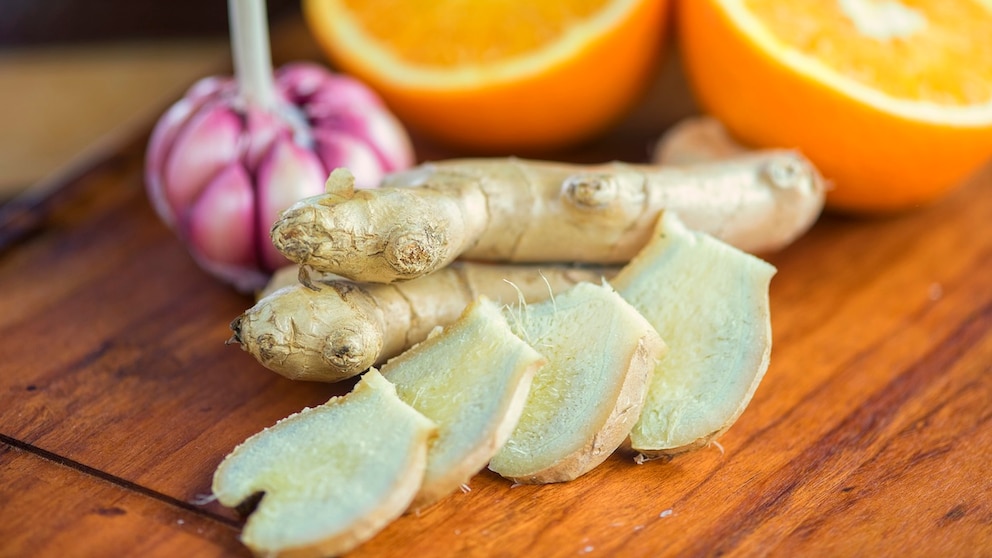
Ginger is now a staple in our kitchens. Whether as a tea for colds, finely grated in curry, or fresh in a smoothie, the spicy root is considered a true multitasker. But sometimes it causes confusion: When cut open, the inside suddenly appears bluish or grayish. Is this still normal or a sign that the ginger is spoiled? myHOMEBOOK explains why ginger can turn blue, when it is still edible, and how to tell when it should be discarded.
Can You Still Eat Blue Ginger?
Those who cut into bluish or gray-blue ginger for the first time are often startled and wonder if the piece might be spoiled. However, in most cases, there is nothing to worry about. If the ginger smells fresh, is firm, and shows no soft or moldy spots, it can be eaten without concern. The coloring does not affect taste or quality. The ginger is therefore completely safe to eat.
Can You Still Eat Sprouting Garlic?

How to Tell in Seconds if a Melon Is Truly Ripe
Why Ginger Turns Blue
The unusual color occurs naturally and is related to the composition of its ingredients. Certain plant pigments in ginger, known as anthocyanins, react when exposed to oxygen or under certain storage conditions.
This effect is particularly noticeable in young and fresh roots, and sometimes in varieties from tropical regions. The inside then appears slightly bluish without affecting the aroma or quality. A blue tint is not a warning sign but can even indicate a particularly fresh or variety-specific root.
When You Should No Longer Eat Ginger
Spoiled ginger can be reliably identified by its smell, texture, and color. Fresh roots are firm, plump, and have a pleasantly spicy scent with a slight lemony note. If the ginger becomes soft, shriveled, or even slimy, it is a sure sign that it is no longer good.
A musty, rotten, or soapy smell also indicates spoilage. When cut open, the inside should shimmer light yellow to slightly bluish. If the flesh appears gray, dark, or glassy, or if mold is visible on the skin, the ginger should be discarded.