

November 30, 2023, 11:54 am | Read time: 3 minutes
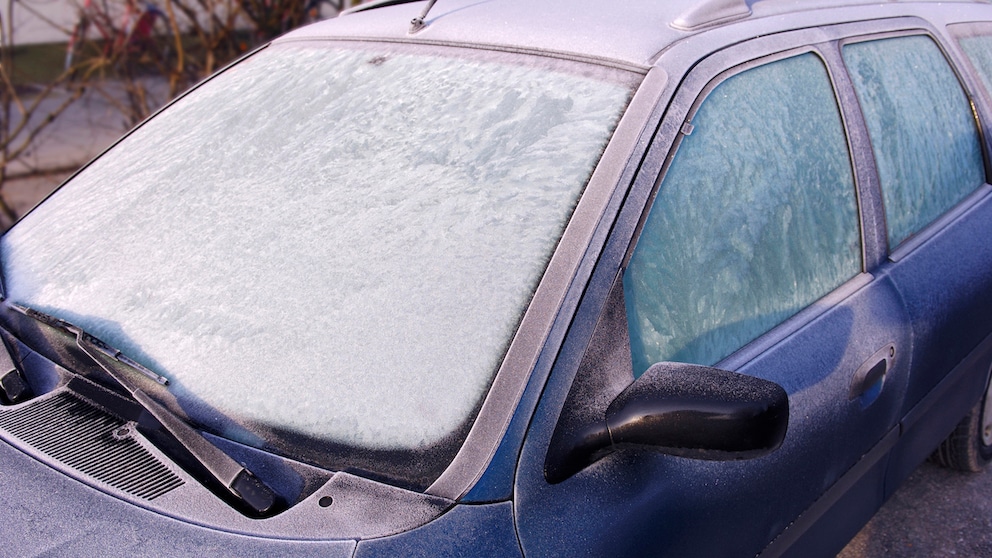
Every year in fall or winter, drivers face the same morning problem: There’s frost, the windows are iced over, and they’re not prepared. The ice scraper is somewhere in the basement. How do you clear the windshield now?
Before driving off, you’re required to defrost the car windows, or you could face a fine. In the event of an accident, your insurance might not cover you. To avoid or even prevent the tedious scraping in the freezing cold, drivers should follow a few tips.
Defrosting Car Windows–Practical Tips and Suitable Home Remedies
1. Homemade Alcohol Spray
A defroster spray, which is simply sprayed onto the window, achieves quick results. You don’t necessarily need to have one at home. It’s quite easy to make yourself: Just mix alcohol and water in a 1-to-1 ratio and spray it on the windows. You can get alcohol at the pharmacy.
2. Alcohol-Water Mixture
As an alternative to alcohol, you can also use a mixture of water and alcohol to defrost your car windows. Put both liquids in a spray bottle in a 1-to-1 ratio, mix, and apply to the windows. The ice dissolves quickly, making scraping much faster or even unnecessary with a thin layer of ice.
3. Positioning Hot Water Bottles
Hot water bottles can also save valuable minutes in the morning. Before setting off, simply place one or two hot water bottles on the dashboard. It’s best to put a cover underneath or store the bottles in suitable cases. They spread warmth and melt the ice, but only partially, as the range is limited to the front or rear windshield. You’ll still need to defrost the side windows by other means.
Note: Using warm water to defrost car windows is not recommended. Strong unilateral heating can cause the glass to crack–especially if there are already flaws.
How to Prevent Icing
1. Attach Old Cardboard or Ice Protection Film
Using old cardboard or a special ice protection film can prevent the windshield from icing over. The right weather conditions are necessary, as a layer of ice can still form in particularly low temperatures or damp-cold weather conditions.
2. Put Socks on the Side Mirrors
Defrosting the side mirrors is a challenge, as scrapers are often too large to handle the surface. It can help to pull old socks over the mirrors overnight to prevent icing.
3. Apply Vinegar-Water Mixture
On the evening before, drivers can apply a mixture of vinegar and water in a 3-to-1 ratio to the car windows to avoid defrosting. However, this trick is only effective in milder temperatures.
Also interesting: What to do about condensation between window panes?

How to Remove Adhesive Labels Without Leaving Residue Using Household Remedies

Snow Load on Solar Panels: What Homeowners Should Know
Defrosting Car Windows from the Inside
If the car’s interior is damp, the windows can also freeze from the inside. The methods for removal are the same as for the exterior windows, but it’s important to catch the scraped ice with a blanket or something similar and then dry the windows.
To avoid the problem, drivers should ensure not to bring snow into their vehicle and ventilate properly for at least five minutes a day.
Why You Shouldn’t Run the Engine to Defrost
For environmental reasons, drivers should never let the engine run to speed up defrosting the car windows. This is also not allowed under traffic regulations. If caught, you risk a warning fine of ten euros.