

July 22, 2026, 11:14 am | Read time: 3 minutes
They were first discovered in the tropics at the beginning of the 20th century and have also appeared in our latitudes. We’re talking about ghost silverfish, an insect species related to the well-known silverfish and firebrats. myHOMEBOOK asked Helge May from the Nature and Biodiversity Conservation Union (NABU) in Germany whether ghost silverfish are harmful and what to do if you notice them in your home.
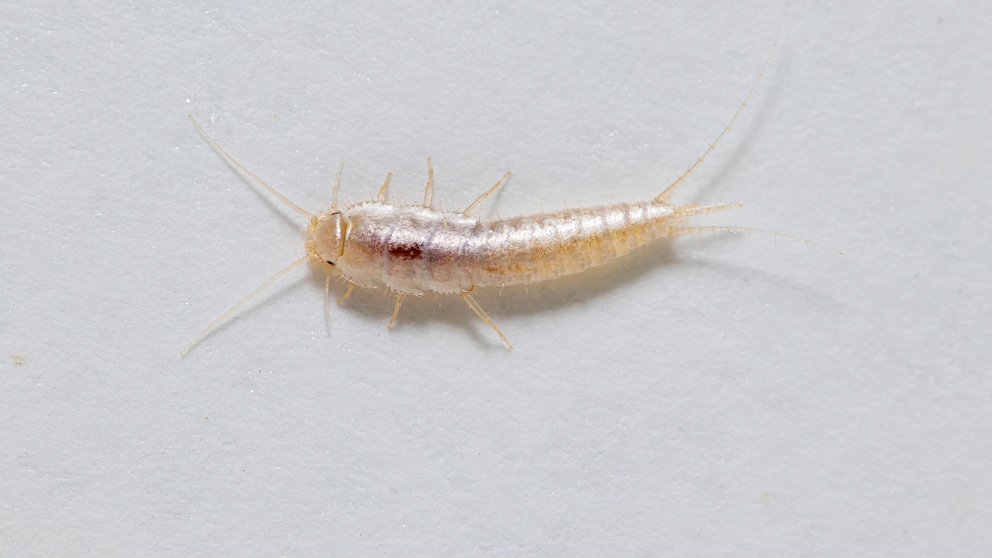
An encounter with ghost silverfish (Ctenolepisma calva) is not exactly thrilling. These inconspicuous insects were discovered in Sri Lanka as early as 1910, but they only appeared in Germany in 2007. Officially, only a few finds have been documented nationwide. However, this does not mean that the creatures are rare. The Nature and Biodiversity Conservation Union assumes a high number of unreported cases, as ghost silverfish live exclusively in buildings here and often go unnoticed.
Are Ghost Silverfish Dangerous to Humans?
Ghost silverfish are absolutely harmless to humans and pets. Just like the well-known silverfish, they do not suck blood, bite, or transmit diseases. At first glance, however, ghost silverfish are not so easily distinguished from silverfish, as Helge May from the Nature and Biodiversity Conservation Union explains. The appearance of the creatures provides the crucial clue. “Ghost silverfish are relatively light-colored and have significantly longer abdominal appendages than firebrats and silverfish,” says May. Their light body is actually the reason for their amusing name, as the insects can grow up to eight millimeters long.

How to Get Rid of Silverfish in Your Home

Keep Wasps Away with These Tricks
Why the Creatures Feel at Home in Apartments
Similar to their relatives, the silverfish, ghost silverfish also love warm environments with temperatures around 68 to 86 degrees Fahrenheit. They feel particularly comfortable in apartments with underfloor heating. The silverfish are rather shy roommates and hide during the day in light-protected places such as crevices, suspended ceilings, and behind furniture.
But when they go in search of food at night, their presence can have unpleasant consequences. Since they prefer sugar- and protein-rich food, they can nibble on bread, potatoes, oatmeal, and pasta left out in the kitchen. According to the expert, in addition to everyday foods, the creatures also gnaw on paper. This can be a problem, especially for libraries and museums.
How to Get Rid of Ghost Silverfish
Ghost silverfish often remain unnoticed in our apartments and houses, says Helge May. Since they do not reproduce in large numbers, it is not necessary to combat the insects with a pest controller.
Nevertheless, it can be unpleasant or cause disgust if you notice the feeding marks of ghost silverfish. In that case, it is advisable to reduce the insects’ living conditions. Opened food and food packaging should be tightly sealed, and the same goes for loose spots on wallpaper, floors, and baseboards. Additionally, disposing of old boxes and papers can help. Regular, thorough cleaning of the apartment, especially under furniture, in corners, and along baseboards, can further reduce their impact.
If you want to catch the creatures, you can try the potato trap, which is also recommended for silverfish. To do this, halve a potato, hollow it out, and place it on a sheet of paper. Since ghost silverfish like to feed on carbohydrate-rich foods, they will crawl into the potato overnight. The next morning, the insects can be disposed of outdoors along with the potato.
The number of ghost silverfish could continue to increase in the coming years, Helge May suspects. This is mainly due to modern passenger and goods transport. The numerous package deliveries in online retail bring the small insects to Central Europe every year, the expert concludes.