

March 28, 2026, 11:27 am | Read time: 2 minutes
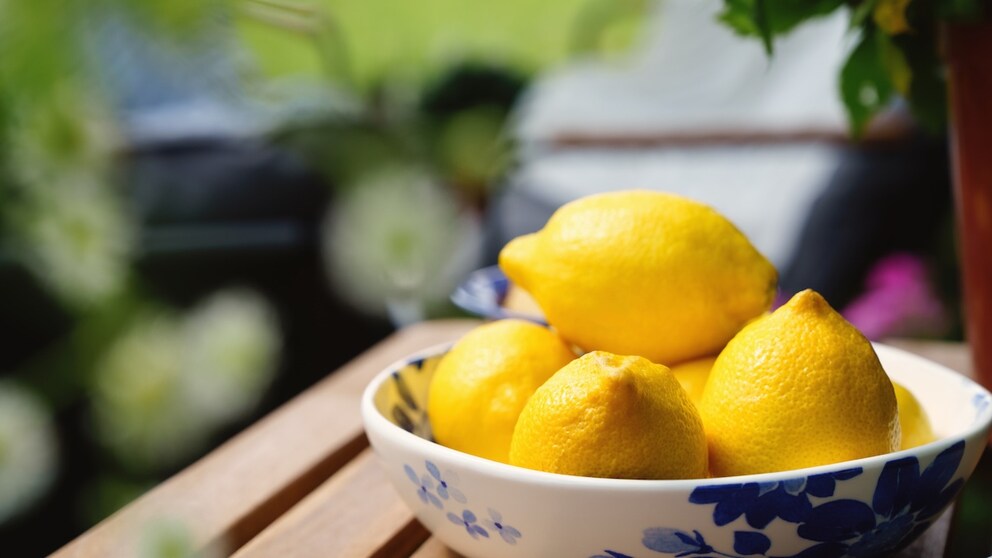
Many people deliberately choose “untreated” lemons at the supermarket, assuming they are buying a particularly natural and contaminant-free product. But that’s not entirely true. In fact, it’s hard to tell with the naked eye whether and how lemons have been treated.
The bad news first: You can’t visually determine if lemons are untreated. Even if the peel feels waxy, that’s not a sure sign. It may only indicate that preservatives or wax have been applied to make the fruit last longer.
Labeling Often Hard to Find
Reliable information usually comes from checking the label. As the Consumer Center NRW explains, citrus fruits whose peel has been treated with so-called coating agents must be labeled accordingly, with terms like “preserved” or “waxed.”
But these notices are often overlooked. “Many consumers miss these details because they are often only in the fine print on a sticker or not directly on the label, but only near the product,” explains Christiane Kunzel, a nutrition expert at the Consumer Center.
“Untreated” Doesn’t Automatically Mean “Organic”
A common misconception: Many equate “untreated” with “organic.” In fact, this label only indicates that the fruit has not been treated with preservatives after harvest. It remains unclear whether and which pesticides were used during cultivation.
This means that even untreated lemons can have residues on the peel or even in the juice.

Should You Wash Strawberries with Baking Soda?

Why Water Alone Doesn’t Properly Clean Blueberries
What Does Washing Really Do?
It’s often recommended to wash citrus fruits thoroughly with warm water before consumption and then dry them. However, washing doesn’t always completely remove residues. It primarily helps reduce surface residues like dirt, dust, or parts of wax and preservatives. Rubbing the fruit with your hands or a brush can enhance the effect.
However, not all pesticides sit only on the surface. Some can penetrate the peel. Therefore, while washing is sensible and important, it doesn’t offer complete protection.
Organic Is the Safer Choice
So, if you want to be completely sure, you should opt for organic lemons. “Because in organic farming, both chemical pesticides and preservative treatments are prohibited,” recommend consumer advocates.
But even with organic fruits, it’s important to always wash citrus fruits thoroughly with warm water before consumption and then dry them. This is the only way to prevent possible residues from getting into the pulp when cutting.
With material from dpa