


May 18, 2026, 2:33 pm | Read time: 5 minutes
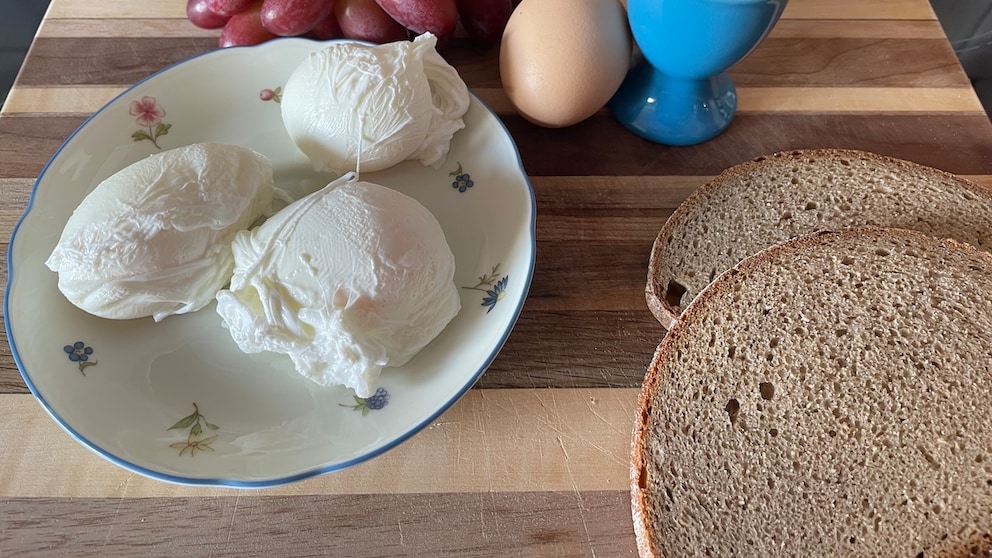
A poached egg seems like the pinnacle of breakfast mastery: tender, silky egg white on the outside, with a creamy, golden yolk that slowly flows onto the plate when cut. In cafes and brunch restaurants, it’s a standard, but at home, many are hesitant to try. Yet, it requires neither professional equipment nor culinary training—just a bit of technique, good timing, and fresh eggs. By following a few simple rules, anyone can easily prepare the perfect poached egg.
Why Freshness Is Key
The most crucial factor for a successful poached egg is not the water temperature or the famous whirlpool in the pot, but the freshness of the egg. The fresher the egg, the more compact the egg white remains during cooking. Older eggs spread more quickly in the water, forming the typical frayed threads that look less elegant.
A simple test can help: Fresh eggs sink to the bottom of a glass of water and lie flat. If the egg stands slightly upright, it is not as fresh. It can still be consumed without concern, but it’s not as suitable for poaching.
The Right Temperature Makes the Difference
Many amateur cooks make the mistake of letting the water boil too vigorously. For poached eggs, you don’t need a rolling boil, just hot water just below the boiling point. Ideally, it’s about 90 to 95 degrees Celsius—when bubbles rise from the bottom of the pot, but the water remains calm.
If the water boils too strongly, the delicate egg white tears apart. If it’s too cold, the egg spreads in the pot before it can set. A dash of vinegar in the water also helps the egg white bind faster. Don’t worry: the taste remains nearly neutral.
Why You Should Add Vinegar to the Water
Vinegar has a very practical role in poaching: it helps the egg white coagulate faster. This keeps the egg more compact and less likely to fall apart in the water. Especially with eggs that are not very fresh, this can make a noticeable difference.
Chemically, the acid changes the pH level of the water. This causes the egg white to bind faster and form the typical firm shell around the yolk more quickly. Without vinegar, you often get those fine white threads that spread throughout the pot.
However, the right amount is important. Too much vinegar can affect the taste and give the egg a slightly sour note. Usually, about a tablespoon of light vinegar per liter of water is sufficient. White wine vinegar or mild table vinegar works particularly well for this.
If you’re using very fresh eggs, you can even skip the vinegar altogether. Many professional chefs do this because fresh egg white is stable enough on its own. For beginners or with less fresh eggs, however, vinegar remains a simple trick that significantly increases the chances of success.
The Trick with the Whirlpool
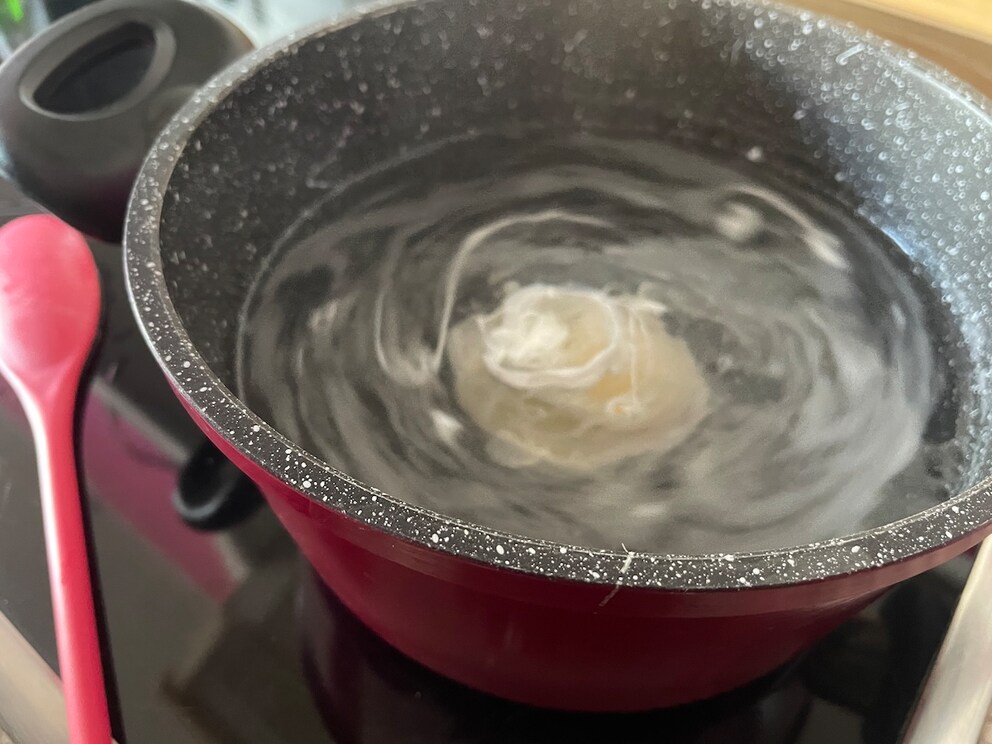
The famous water whirlpool is not a myth, but it’s also not mandatory. However, beginners can benefit from it. To create it, stir the hot water vigorously in a circle with a spoon before gently adding the egg. The movement keeps the egg white compact and gives it the classic teardrop shape.
It’s best to crack the egg into a small cup or ladle first. This allows for more controlled sliding into the water, keeping the yolk intact.
The cooking time, depending on the desired consistency, is between three and four minutes. Afterward, the egg should be lifted out with a slotted spoon and briefly drained on paper towels.

This Trick Prevents Breakfast Eggs from Cracking While Cooking

How Long Boiled Eggs Stay Fresh
Small Mistakes, Big Impact
Even seemingly small details can affect the outcome. For example, salt should not be added to the cooking water, as it tends to loosen the egg white. Poaching multiple eggs at once can also be challenging if you’re not yet experienced. It’s better to start with one egg to get a feel for the temperature and timing.
For particularly clean results, you can pass the egg through a fine sieve before poaching. This removes the very liquid egg white, leaving the more compact part. This results in a much nicer shape.
Practice Makes Perfect
If your first attempt doesn’t produce a flawless egg, don’t be discouraged. Poaching is less complicated than many think—routine is key. After just a few tries, you’ll develop a sense of when the water is at the right temperature and how long the egg needs to cook.