

November 28, 2025, 5:10 am | Read time: 4 minutes
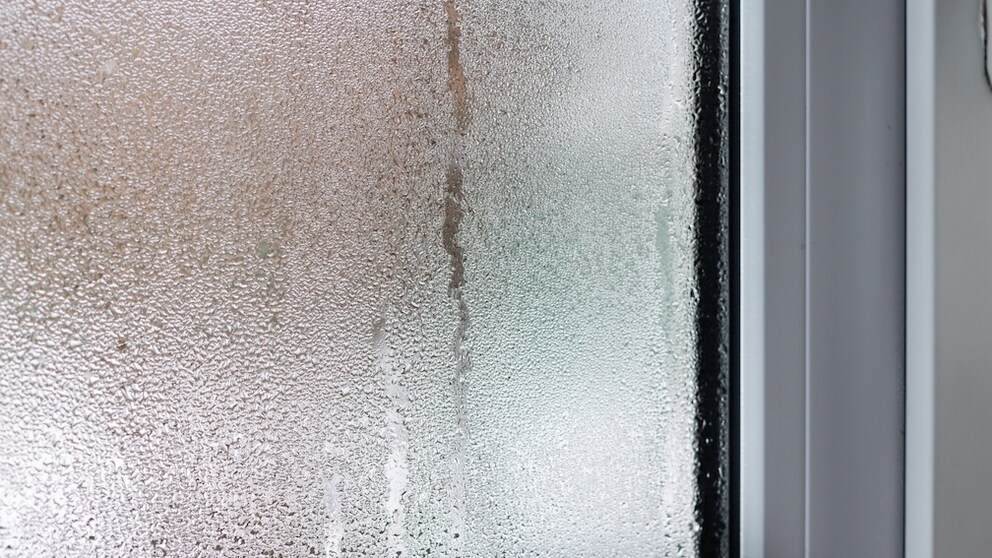
Anyone living in an old building or a well-insulated new one might be familiar with this: Especially in the morning, condensation has formed on the window overnight. The internet offers several tricks that supposedly prevent this. myHOMEBOOK tested one of them—with surprising results.
Condensation on the window is not only annoying but can also lead to mold in the apartment in the worst case. It occurs due to the temperature difference between warm indoor spaces and the cold outside air. But what helps against it? A simple trick with a household item that everyone surely has at home is said to help.
Overview
How Condensation Forms on Windows
Condensation on windows can have various causes: sweating and breathing at night, cooking, or using the washing machine and dishwasher. The window surfaces fog up when there is high humidity and warm and cold air meet. If the heating is also running while it’s freezing outside, the temperature difference becomes even greater.
Condensation can occur with both very tightly insulated and poorly insulated windows. In modern models, the moist indoor air accumulates, while in old windows, the panes cool down so much that moisture also collects there.
This Trick Is Supposed to Help
To prevent condensation on the window, a tried-and-true household remedy is said to be sufficient: regular dish soap. A few drops are applied to a dry microfiber cloth and wiped over the glass. The surfactants in the dish soap reduce the surface tension of the water. When the glass is rubbed with it, the moisture is supposedly distributed more evenly instead of settling in individual droplets. So far, so good—but does the trick really work?
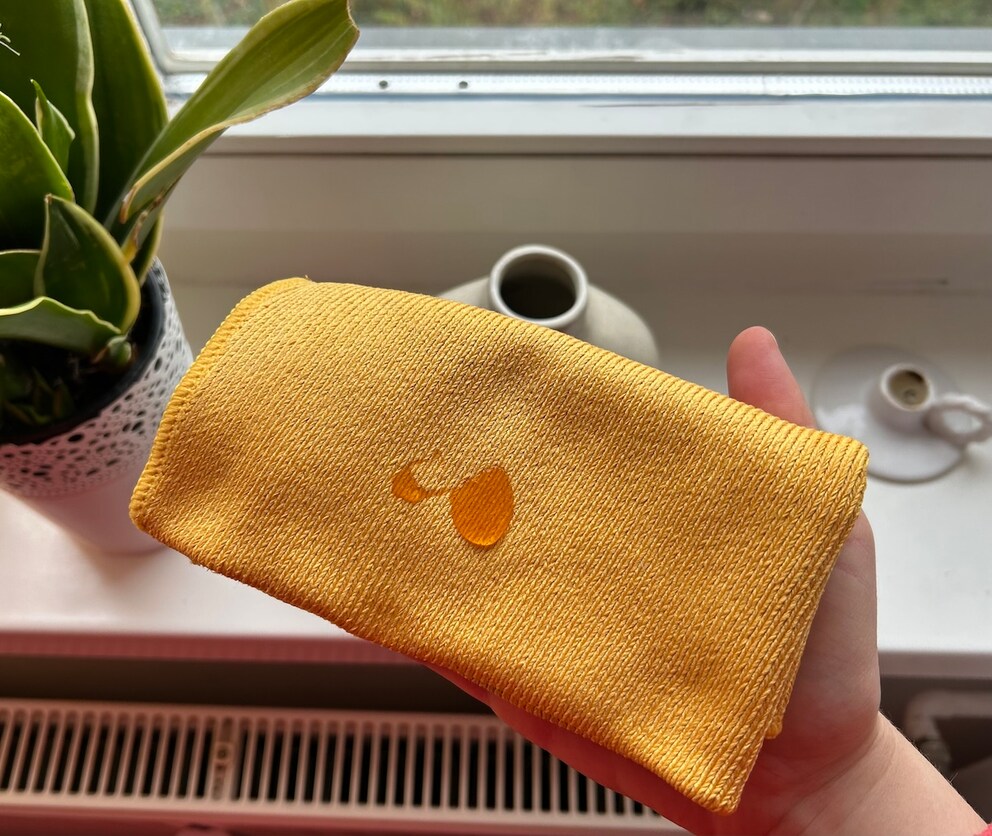
To find out how effective the dish soap trick really is, it was tried under normal living conditions. Especially at the beginning of the winter months, many windows tend to fog up. For a realistic comparison, the trick was tested overnight on both the kitchen and bedroom windows. The dish soap spread surprisingly evenly, and after a quick polish, there were hardly any streaks visible. It’s important to use the dish soap sparingly and not more than one or two drops. Dish soap with balm or care ingredients can also be used, but they tend to leave streaks.

Condensation Between Windowpanes? Here’s What to Do Now
Why You Should Place a Bowl of Salt on Your Windowsill
The Result
Since windows are typically most fogged up in the morning, the dish soap was applied the evening before. The next day, there was indeed a difference: The usually damp lower window frame was hardly fogged up. The dish soap trick seems to really work.
To further challenge the test and increase humidity, washing and cooking were also done. During the day, some moisture formed at the window edges, but overall, much less than usual. It was distributed more evenly on the glass, making the window look as if it had been lightly breathed on. After a brief airing, everything dried up again.

Shaving Foam as an Alternative
If you don’t have dish soap at home, shaving foam can alternatively be used to prevent condensation on windows. The trick was tested under the same conditions—and here too, the glass remained almost free of moisture. A small downside: The thick shaving foam clings more stubbornly to the glass and must be thoroughly polished to avoid leaving streaks.