


April 8, 2026, 8:56 am | Read time: 3 minutes
Who doesn’t know it: Between appointment A and appointment B, the vacuum cleaner is quickly run through the apartment. The main thing is that it’s clean—or at least clean enough. But this is exactly where a new trend comes in: the so-called “slow vacuuming.” Instead of hasty vacuuming, the focus here is on a deliberately slower, more thorough cleaning that is supposed to remove significantly more dirt. myHOMEBOOK asked an expert what really lies behind this method and whether it delivers on its promises.
What Exactly Is Slow Vacuuming?
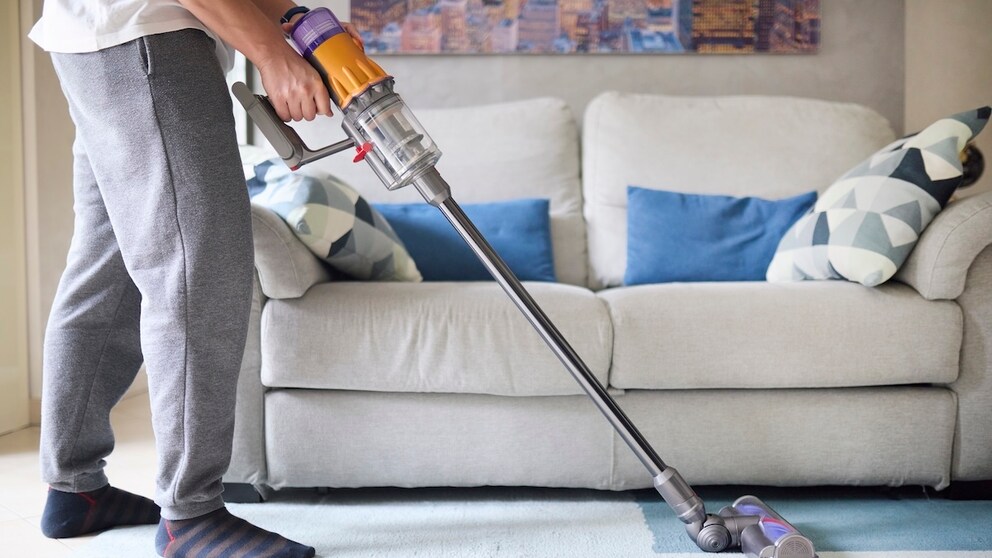
Slow vacuuming means deliberately guiding the vacuum cleaner more slowly and precisely over floors and especially carpets, rather than hastily pushing it through the apartment. It’s about taking the time to proceed systematically and clean each area with calm and attention.
Currently, many users on social media report achieving significantly better results with this method, noticeably improving their cleaning routine. Instead of “quickly vacuuming,” the process almost becomes a small ritual: row by row, without haste, with a clear focus on thoroughness.

For who is a 3-in-1 vacuum cleaner worthwhile?

Carpet Flooring in the Home–Pros and Cons
Why Slower Is Often Better
The trend of “slow vacuuming” might initially sound a bit exaggerated. After all, vacuuming is one of those tedious everyday tasks most people want to get over with as quickly as possible. But supposedly, this approach is said to ensure more cleanliness.
Most modern vacuum cleaners are designed to efficiently pick up dirt–but only if you give them the necessary time. Vacuuming too quickly risks leaving behind fine dust, hair, or deeply embedded dirt in the carpet. Especially with high-pile carpets, dirt settles particularly deep between the fibers and is correspondingly harder to remove.
Slow vacuuming ensures that the suction power can work optimally, the brushes and nozzles can really loosen the dirt, and even deeper particles are removed. The result is supposed to be visibly cleaner floors and noticeably fresher indoor air. “It seems plausible that longer contact between the floor and the device also leads to better dust absorption,” reveals Elke Messerschmidt from the Competence Center for Home Economics in response to a myHOMEBOOK inquiry. However, she is not aware of any studies or similar evidence supporting this trend.
How Slow Vacuuming Works in Everyday Life
Instead of vacuuming haphazardly, it’s best to work systematically through the room, vacuuming row by row. Similar to how you would mow the lawn. It’s important to reduce the pace and move the vacuum cleaner more slowly. A good rule of thumb: about half as fast as you would normally do. Especially with carpets, it can be worthwhile to tackle the same spot from two directions.
Slow vacuuming is not a revolutionary concept, but a good example of how small changes in everyday life can have a greater impact. It’s less about investing more time in cleaning and more about using the existing time more consciously and effectively—and that can be worthwhile, especially with stubborn dirt.