


July 5, 2024, 10:41 am | Read time: 3 minutes
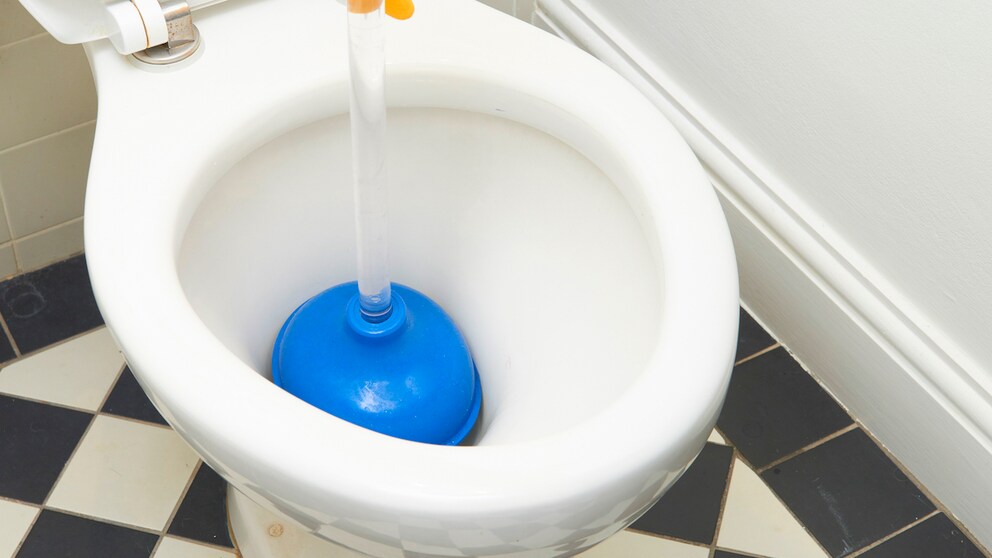
A plunger is handy for a clogged toilet. But who has a rubber stopper at home when you need one? Fortunately, you can replace it with regular plastic wrap. myHOMEBOOK shows in the video how it works.
Using too much toilet paper or flushing the wrong products, such as wet wipes, can block the drain. The result: a clogged toilet. To fix the problem, you don’t need to call an expensive plumber right away. With a simple household remedy that many already have at home, you can usually solve the problem in no time.
Toilet Clogged? Plastic Wrap Is the Solution
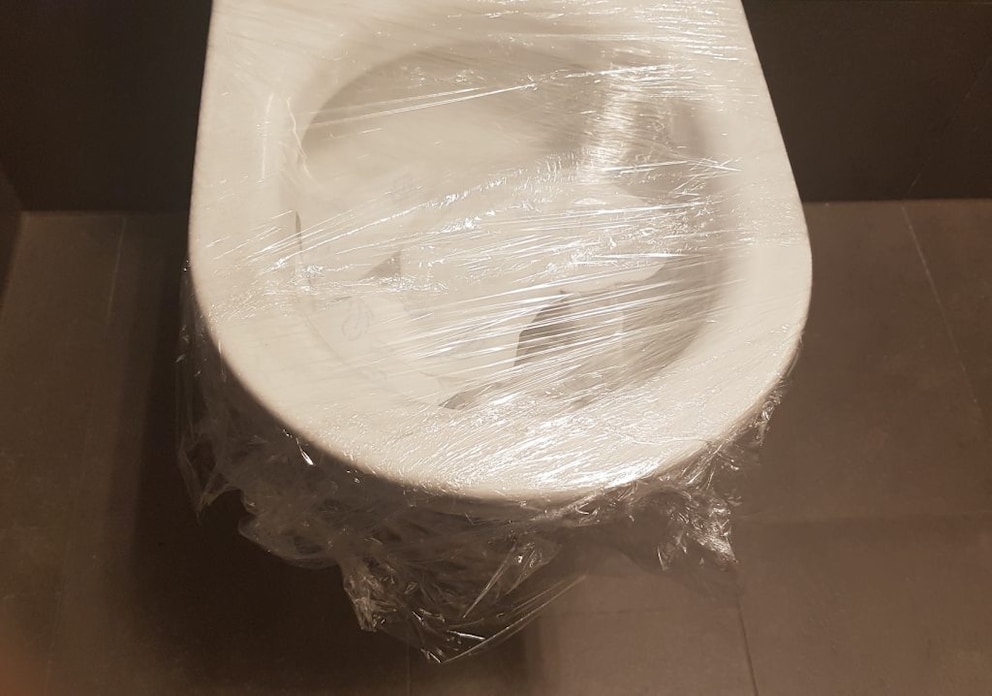
The plunger works on the principle of overpressure and underpressure. This effect can be simulated with regular plastic wrap. It’s important that the toilet bowl is sealed airtight with the clear wrap. If you apply the trick correctly, the toilet will be unclogged in no time. However, with severe clogs, the wrap may reach its limits more quickly.
Related: With these tricks, plastic wrap can be torn more easily
Unclog a Toilet with Plastic Wrap
This life hack can help if you have a clogged toilet at home. In three steps, the pipe will be clear again. Here’s how:
- Wrap the toilet with plastic wrap so that the top is completely covered.
- Flush the toilet, and the wrap will bulge upward.
- Press down on the wrap with your flat hand to build pressure.
If you perform these three steps correctly, the clog should be dislodged and pushed through the pipe. Afterward, the water can flow normally again.
Also interesting: 3 Cleaning Tips for the Toilet Brush
Note: Plastic wrap is not exactly environmentally friendly. However, if you already have some at home, you can certainly use it for this hack.
5 Signs It’s Time to Clean Your Drain
Clogged Sink? A Simple Trick Solves the Problem
What’s the Correct Term: Plunger, Pömpel, or Rubber Stopper?
Everyone has a different name for the item, but the task is the same: to make the drainpipe passable again in case of a clog. The application is relatively simple, just press the rubber cup and pump. This usually works for all drains, whether toilet, sink, shower, or bathtub.
The terms for the plumbing tool vary from region to region. The most common are “Pümpel” or “Pömpel,” especially in northern Germany. Otherwise, terms like “Gummistampfer,” “Gummistopfer,” “Abflussstampfer,” or “Gummisauger” are often used. “Saugglocke” is the technically correct term, although it can be confused with the medical instrument used in childbirth.
Tip: If the rubber stopper doesn’t help, you can also use a drain snake. This removes even stubborn deposits. Chemical drain cleaners should be avoided as they harm the environment.
Home Remedies for a Clogged Toilet
Besides a plunger and plastic wrap, home remedies can also help unclog a toilet. For example, you can add vinegar and baking soda to the toilet to clear the clog. The two react with each other, producing a lot of carbon dioxide, which is particularly effective against blockages in sinks or toilets.
Here’s how to proceed: Add two packets of baking soda and half a bottle of vinegar essence to the clogged toilet. Let it sit for at least 15 minutes. Then pour hot water in and flush.