


January 28, 2024, 5:51 am | Read time: 4 minutes
Clogged drains can be annoying because they hinder water flow, smell bad, and can even be harmful to health. That’s why it’s important to clean them in a timely manner. myHOMEBOOK explains how to recognize when it’s time to do so.
Does water repeatedly stand in the sink or basin and not drain away? Even with the use of drain screens, which are supposed to catch large particles like food scraps or hair, this problem can occur. There are some signs to recognize when it’s time to clean the drain. Here you will learn what they are.
Overview
How does a drain work?
In times of odor traps and drain vents, one might think they have their home’s plumbing under control. But unfortunately, these ingenious inventions also have a downside: they clog! A siphon always retains a certain amount of water thanks to its u-shaped pipe system. By design, part of the siphon is always filled with water, preventing unwanted odors from the sewer from entering the house.
So, what’s the catch? Why should you clean the drain more often? Due to the u-shaped design, waste residues, dirt, and hair easily accumulate where the water is. This can lead to temporary clogs and promote unnecessary bacteria and mold growth. Initially, you might not notice this buildup, which can also lead to health issues, because the water drains well. But for how long? What are the first signs, and when should you clean the drain?
Also interesting: Is boiling water harmful to the drain?
1. The water stands
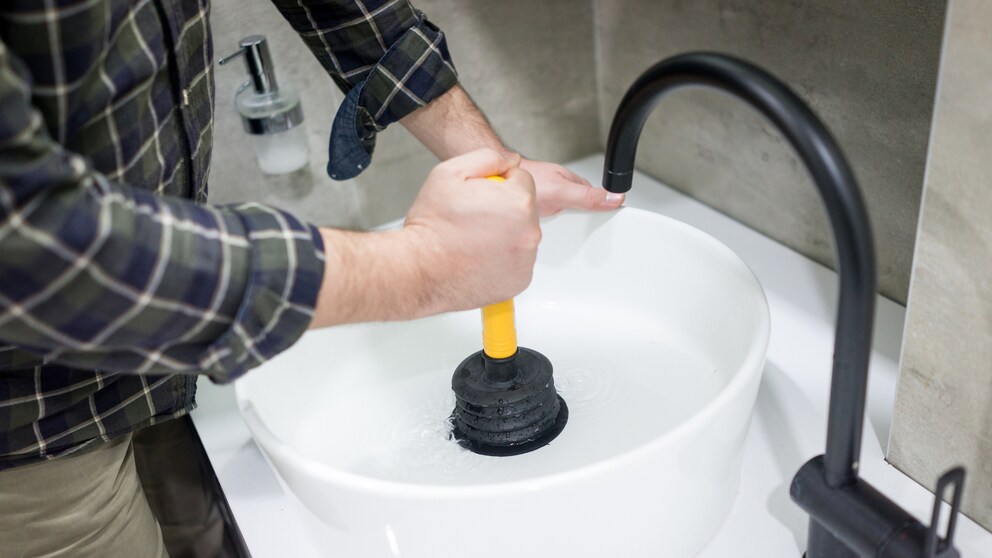
Whether in the sink, bathtub, or shower–if the water no longer drains and stands, it’s a sure sign that the drain is clogged. It’s time to clean the drain. This can usually be done yourself, either with a plunger or a drain snake.
When cleaning the shower and bathtub, it’s advisable to use a drain snake. For a sink, you can first try to clear the clog with a plunger. However, it’s recommended to unscrew the odor trap afterward to remove and clean any unwanted residue.
2. Unpleasant odors
Unpleasant and musty odors at home are sometimes not easy to locate. If these odors appear near a drain opening, you can safely assume that the drain is clogged.
Here, too, the primary goal is to dissolve the clog and remove the items responsible for the accumulation in the pipe and the foul smell. Afterward, you should thoroughly clean, disinfect, and rid the area around the drain opening of bad odors. You can use baking soda and vinegar for this. That should eliminate the smell for good.
Also interesting: Drain smells? Neutralize odors with home remedies

3. Pests around the drain
If swarms of tiny flies gather around the drain in the kitchen or bathroom, it could be an indication of a drain fly infestation. Drain flies love organic waste, which usually accumulates in drains. It’s the perfect breeding ground, as the pests can easily multiply there. But don’t panic! The baking soda and vinegar combination can also help with such an infestation. You should also remove hair, dirt, and deposits where the flies lay their eggs. Once the drain is cleaned, the drain flies should not return.
Also interesting: 7 things from the kitchen and household you should never pour down the drain
Toilet Clogged? Genius Trick with Plastic Wrap Helps
Drain Clogged? This Home Remedy Can Help
4. The drain makes strange gurgling noises
If the drain starts gurgling, there’s no need to panic. However, you should be prepared to clean the drain soon, as a clog may be forming.
Deposits make the drainpipe narrower, causing the water to not drain as well. This results in the so-called venting noises. It would be advisable to clean the drain now. Enzyme-based drain cleaners are best suited for this. Such treatment usually takes some time, so you should clean the drain when it’s not urgently needed.
Also interesting: Why is the bathtub drain not in the center
5. The drain gurgles when flushing the toilet
If the shower or bathtub gurgles when you flush the toilet, it could also be a sign of a clog. Therefore, you should first tape all the drains in the bathroom with duct tape and then flush the toilet again. This way, you can direct the water flow directly to the suspected clogged area. If the gurgling persists, unfortunately, you’ll need to tackle the problem at its root and locate the spot.