



September 16, 2025, 1:09 pm | Read time: 4 minutes
Many products have seen significant price increases in recent months and years. At the top of the list: coffee. According to the Federal Statistical Office, coffee was 22.8 percent more expensive in August 2025 than in August of the previous year. This raises the question of whether you can brew coffee multiple times to save money.
What Happens When You Brew Coffee Multiple Times
If you brew coffee grounds a second time, you’ll quickly notice that the taste has little in common with the first brew. While the first brew extracts aromatic oils, acids, and fine flavor notes, what remains is just an “empty framework.” A second brew usually tastes watery and flat, often accompanied by an unpleasant bitterness. This is because mostly less soluble substances like tannins and bitter compounds dissolve into the water, while the typical coffee aromas have already been mostly extracted. So, if you’re hoping for a full, balanced aroma, you’ll be disappointed with multiple brews.
Effects on Health
Besides the poor taste, repeatedly brewed coffee grounds also pose hygiene risks. Coffee grounds are warm, moist, and rich in nutrients—a perfect breeding ground for mold and bacteria if left standing for a while. Brewing them again after a few hours or even the next day risks introducing unwanted germs into your cup. Although coffee is not a classic “hazardous material,” such brews can, in the worst case, burden digestion. Additionally, repeated heating increases the amount of bitter degradation products in the drink, making its health benefits questionable.
No Coffee Filters? 4 Alternatives

Can Coffee Grounds Be Harmful to Compost?
Not Even Usable for Plants
Repeatedly brewed coffee is still slightly acidic and contains residual substances. Undiluted, it can acidify the soil, stress sensitive roots, and even promote mold in the pot with frequent use.
Instead of mixing the thin, repeatedly brewed coffee into water for watering plants, it’s often more worthwhile to use the coffee grounds directly. They are rich in nutrients like nitrogen, potassium, and phosphorus, acting as a natural fertilizer. The simplest method is to let the still moist coffee grounds dry briefly and then work them into the soil. This way, they improve soil structure, loosen compacted soil, and provide plants with nutrients over a longer period.
As a mulch layer on the soil, coffee grounds are also useful: They retain moisture better in the soil and can even keep snails or ants away from the garden with their scent. If you have a compost bin, you can also dispose of the coffee grounds there. Their fine structure promotes the activity of earthworms and microorganisms, leading to humus-rich, fertile soil.
However, it’s important not to use coffee grounds in too large quantities and not to keep them constantly moist. Large, wet amounts can clump and start to mold. It’s better to regularly add smaller portions or mix them with other organic materials—such as leaves or vegetable peels.
At Least Reuse the Filter
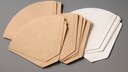
You can reuse a paper filter as long as it hasn’t torn or become too soaked. Simply knock out the old coffee grounds or rinse gently and use the filter again immediately. However, the paper absorbs oils and aromas during the first brew, so the second coffee often tastes weaker or has a slightly stale aftertaste. These absorbed aromatic substances bind to the paper fibers and are not fully available for the second brew. It’s also important not to leave the filter sitting for too long, as it can quickly mold or smell musty when damp. For a more sustainable option, consider using permanent filters made of metal or fabric, which are easy to clean and can be used for years. Alternatively, paper filters with coffee grounds can be easily added to the compost.