


August 11, 2023, 8:54 am | Read time: 3 minutes
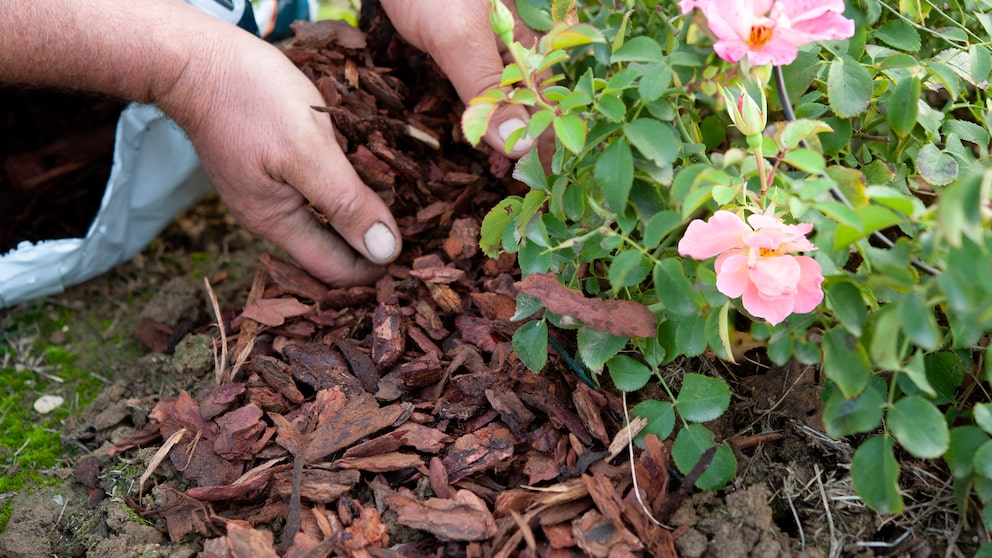
The substrate industry is sounding the alarm! There are shortages in tree bark used for making mulch and humus. The situation is already expanding into a “crisis,” according to industry associations.
Will garden owners soon run out of bark mulch? Especially in times of increasing drought, the material from tree bark helps retain moisture in the soil. Two associations–the Industrial Association for Garden (IVG) e.V. and the Quality Association for Plant Substrates (GGS)–are now warning of a shortage in production. The situation has been tense in recent years, and now they are even calling it a “crisis.” What are the reasons behind this?
Shortage of Bark Mulch! What’s Behind It
The bark beetle is spreading increasingly–but that’s a well-known issue. Other reasons for the bark mulch shortage include the increased use of tree bark as an energy source. Additionally, there are more frequent forest fires and reduced timber harvesting due to the downturn in the construction industry.
“Many manufacturers can no longer meet the consistently high demand for bark in products because it is becoming scarce overall,” explains Philip Testroet from IVG. “And according to our assessment, this won’t change in the medium term.” Due to reduced construction activity and the associated decrease in work at German sawmills, less bark is also produced here. A survey by the German Sawmill and Wood Industry Association e.V. (DeSH) shows that 95 percent of companies are producing less bark mulch. About 60 percent believe that demand will not improve.
Many Garden Owners Overlook Heat Damage to Trees
12 Tips to Save Water in the Garden
Which Wood Is Particularly Affected?
Coniferous trees are primarily used for the production of bark mulch and humus. Especially the spruce, which prefers to grow in higher, cooler, and wetter areas, has suffered greatly from the dry periods of recent years. This has made it extremely susceptible to the bark beetle, which has multiplied significantly. The bark of infested trees mostly falls off and remains in the forest, making it unusable for gardening. Pine forests also suffer from persistent drought and bark beetle infestation.
More on this: Protecting Plants from Drought with Mulch in the Garden
What Does This Mean for Garden Owners?
As is often the case with material shortages, not only the construction or gardening industry suffers, but also the end consumer. Availability will likely be limited, and price increases are expected. Market prices for raw bark are already rising. But that’s not all: “The increasing scarcity of bark affects the quality of bark mulch,” explains Ulrike Wegener, managing director of GGS. The plants are therefore forced–if they even get supplies–to use raw bark with a higher wood content to meet their needs.

How Climate Change Affects Local Gardens
“Bark mulch is used in many gardens to help retain moisture in the soil. Especially in times of climate change, it’s an effective measure. Unfortunately, this also sometimes promotes the spread of the bark beetle, which in turn restricts the availability of the material. An improvement in the situation is not in sight. However, wild bees and other small animals in the garden are pleased. They often nest in the ground. If bark mulch is on top, they cannot burrow there.”