


June 13, 2026, 7:13 am | Read time: 4 minutes
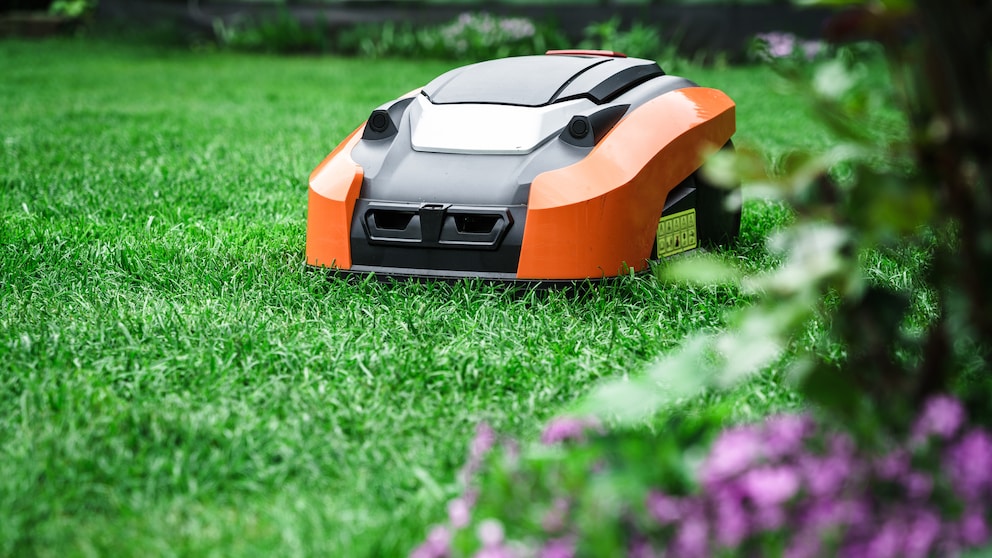
The robotic lawn mower is like a washing machine for your lawn. While the little cutting master quietly trims the grass, the owner can fire up the grill, tidy up the tool shed, relax in a hammock with a book, or simply doze off. But what about the electricity consumption? In this article, myHOMEBOOK attempts to provide an overview.
What used to be done laboriously by hand is now handled by the robotic lawn mower. If desired, it can operate around the clock, trimming the grass to the desired length. This frees up time for other gardening tasks.
However, the electric garden helper also costs a lot of money, especially when purchasing. Yet, the convenience factor is likely unbeatable. After all, a robotic lawn mower promises: Never mow the lawn again, at least not by yourself.
Therefore, the ongoing costs become more of a focus. The robotic lawn mower constantly requires electricity, whether it’s making rounds on the lawn or charging at the station for its next task.
Energy Consumption Rarely Clearly Communicated
Unfortunately, manufacturers of robotic lawn mowers are secretive about electricity consumption. However, it cannot be universally quantified. Besides the actual robot model, other factors play a significant role, such as how intricate and large a lawn area is. Every lawn is unique and requires more or less maintenance accordingly.
The team at Computerbild has taken the effort to review various consumption figures and derive average values. Accordingly, the annual consumption can range from 50 to 180 kilowatt-hours. As mentioned, this strongly depends on the size of the lawn to be mowed.
Assuming an electricity price of 35 cents per kilowatt-hour, the annual electricity costs for the robotic lawn mower amount to about 18 to 63 euros. For comparison: The electricity consumption of the robotic lawn mower is on a similar level to that of a modern refrigerator, which requires an average of 100 to 150 kilowatt-hours.
The robotic lawn mower consumes a lot of energy, especially when not in use, i.e., in standby mode. According to some test reports, the consumption while parked at the charging station adds up to 15 to 40 kilowatt-hours per year. That sounds small, but in terms of total annual consumption, the share in standby mode can account for up to 30 percent.
These Are the Alternatives
Whether all this is worth it is best decided by each individual. As a decision aid, perhaps a look at possible alternatives.
- Gas Mower: A gas-powered mower is significantly cheaper to purchase. Basic models are available from 200 euros. However, fuel costs alone can amount to up to 100 euros per mowing season, depending on mowing frequency and lawn size. Mowing is done manually.
- Electric Mower: Electric or battery mowers are also available for a few hundred euros. Entry-level models cost just under 100 euros. The annual electricity costs are comparable to those of a robotic lawn mower. However, this mower also requires the assistance of its human owner.
- Classic Hand Mower: Here, the purchase cost is almost negligible. Often, it’s an heirloom that grandpa used to mow the lawn. The annual energy consumption consists of pure muscle power and significant sweat loss.
But as mentioned at the beginning, the convenience factor is the absolute unique selling point of a robotic lawn mower. Once properly set up for your lawn, the autonomous garden helper ensures a consistently green carpet without physical effort.

Charge your electric car with solar power from your own roof
Major Energy Provider Raises Prices: Who Will Pay More Now
Criticism from Environmental Organizations and Consumer Centers
However, this is precisely what environmental organizations and consumer centers, which myHOMEBOOK also contacted for this article, criticize. One of the criticisms is that robotic lawn mowers cut the grass too short. This affects all living creatures that need a green lawn as a natural habitat.
Moreover, environmental organizations mainly criticize the danger to smaller animals such as amphibians, hedgehogs, or shrews. Since robotic lawn mowers often operate at dusk or even at night, there is an increased risk for nocturnal animals to be injured by the sharp blades.
Tips for a Sensible Use of Robotic Lawn Mowers
Therefore, here are a few final thoughts on how to use a robotic lawn mower sensibly to optimize electricity consumption. Regarding the last aspect, consider whether it is really necessary to send the device out in the evening or at night. Additionally:
- Keep the charging station connected only during the season
- Adjust mowing times to the actual lawn area
- Regularly clean and replace blades
- Avoid unnecessarily long driving times