


November 4, 2025, 4:43 am | Read time: 2 minutes
Amid bare branches and frozen ground, a plant emerges that unfolds its unique charm in winter: heather. It seems almost from another time, quiet, modest, yet with a special presence. myHOMEBOOK gardening expert Franka Kruse-Gering explains why it fascinates so many people and is so popular during the cold season.
1. Color When Hardly Anything Else Blooms
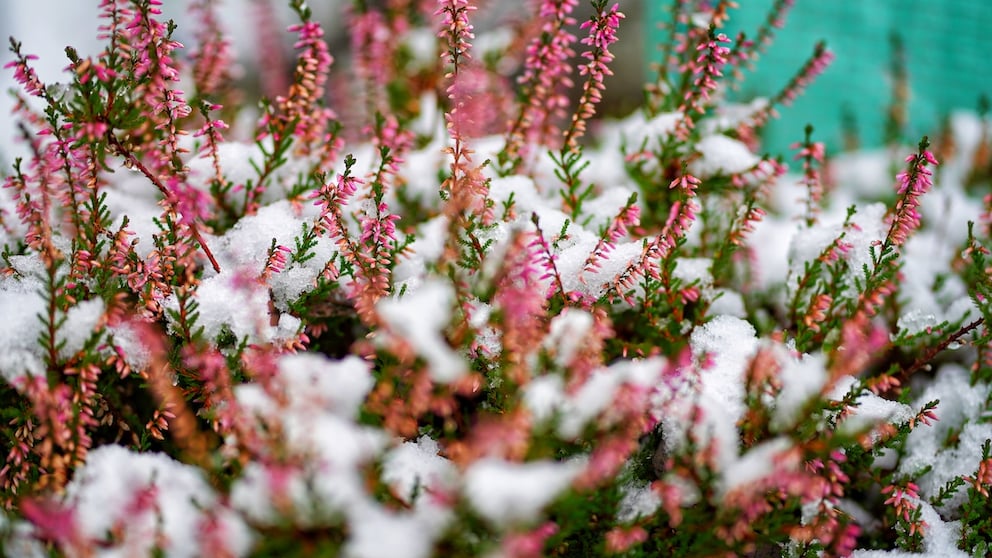
Winter heather, as the plant is called in winter, opens its blossoms in the middle of the cold season, providing rare splashes of color from white to pink to purple. In balcony boxes, bowls, or beds, it brings vitality when perennials have retreated and trees are leafless.
2. Robust, Easy to Care for, and Winter-Ready
Heather that grows in winter is frost-resistant, wind- and snow-tolerant. It’s perfect for the garden, balcony, or as a grave decoration. It thrives in poor, slightly acidic to neutral soils and requires little care in winter. Even in frost, its flowers and needle-like leaves remain decorative. So you can comfortably snuggle up with a tea under a blanket and leave the plant to itself.
Related: 7 Colorful and Hardy Plants for Garden and Balcony

Why Heather Is Artificially Dyed

Simple Trick Keeps Birdbath Ice-Free in Winter
3. Heather Is Versatile
Whether in the garden, on the balcony, or on a grave, heather is versatile. It’s compact, evergreen, and tolerant of pruning. It suits bowls, boxes, rock gardens, or as a low ground cover along paths. It can be easily renewed, remains decorative for weeks, and is popular for quick winter season decorations.
4. Also Popular with Insects
Heather has the advantage of opening its blossoms on mild winter days, providing food for insects that are particularly early in spring. For insects active during mild phases, it’s one of the few food sources in the winter months. Thus, heather contributes significantly to ecological diversity in the garden even during the cold season.