


June 13, 2024, 2:02 pm | Read time: 5 minutes
All plants start small. But while some remain close to the ground, others reach impressive sizes. In this case, we’re not talking about trees, but large plants that are also suitable for indoor spaces.
Plants not only improve the climate outdoors. Indoors, they significantly contribute to a sense of well-being. It can be particularly attractive to vary their sizes. If you have enough space for a large houseplant in your living room, consider the following options.
1. Bird of Paradise (Strelitzia)
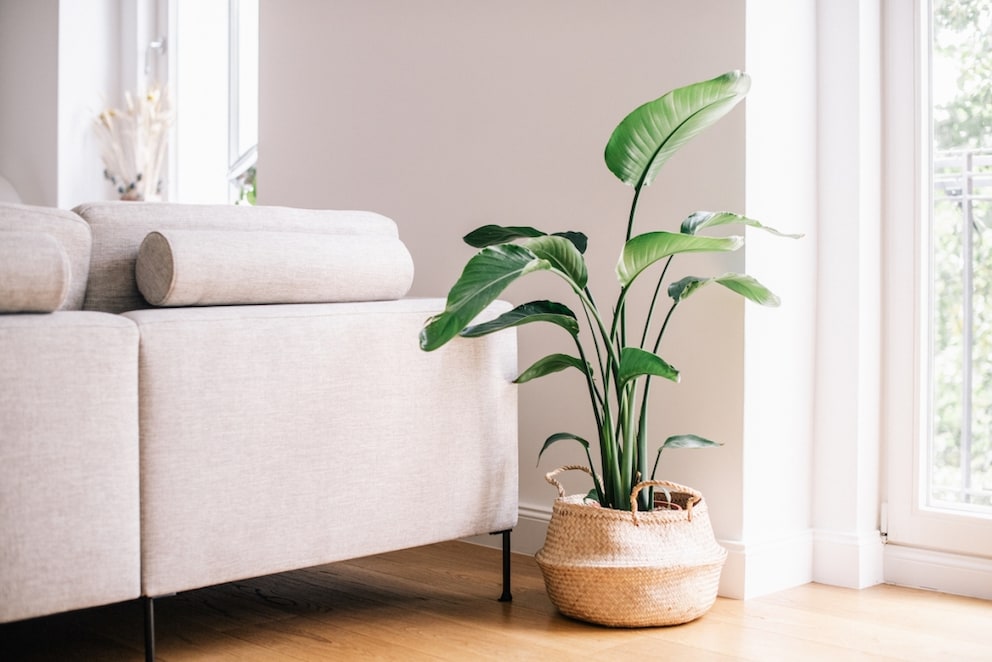
Because of its bird-like bloom, the Bird of Paradise (Strelitzia) is also called the crane flower. If you follow these care tips, it can grow between two and ten meters tall, depending on the species: An ideal spot is warm with plenty of sunlight. In the summer, you can even place this large houseplant in a wind-protected area on the balcony, terrace, or garden. The soil should be nutrient-rich. If the pot becomes too small, the plant should be moved to a larger one in the spring.
The soil should always be slightly moist, so it’s important to water the Bird of Paradise regularly. During its growth period in spring and summer, fertilize it about once a month with liquid fertilizer through the watering can. The Bird of Paradise develops impressively large, green leaves. These should occasionally be wiped with a damp cloth to remove dust. Dead plant parts can be removed at the same time.
2. Fiddle Leaf Fig (Ficus lyrata)
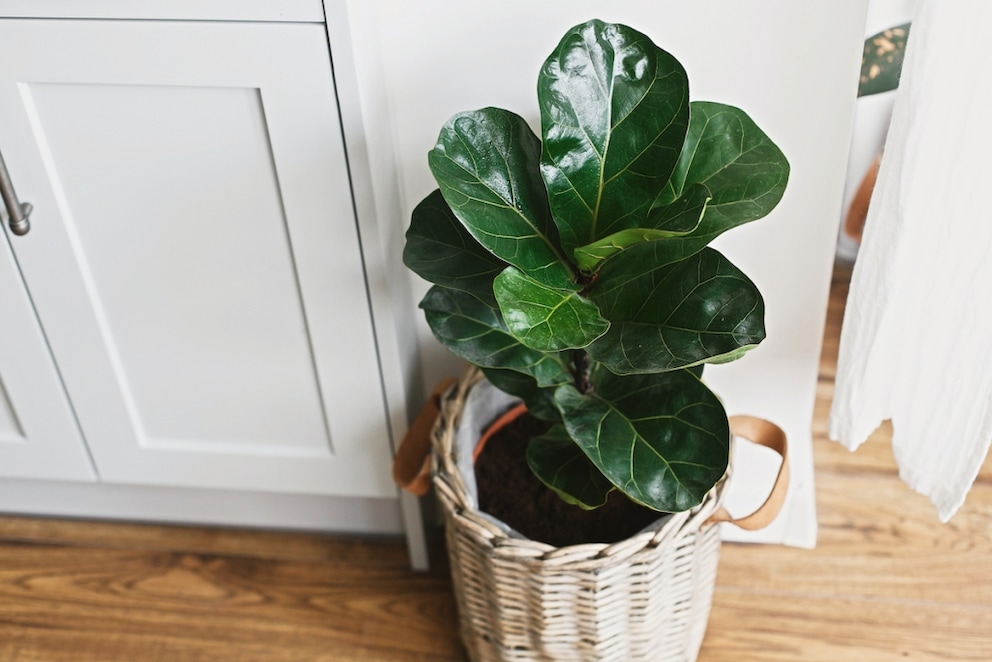
The Fiddle Leaf Fig can grow between two and four meters tall as a houseplant. To thrive, it needs a bright location with indirect sunlight. Direct sunlight can burn its leaves, while too little light can hinder growth. It’s advisable to repot the plant in the spring every one to two years to give the roots enough space.
This large houseplant requires regular but moderate watering, avoiding waterlogging. In winter, the amount of water should be reduced. During the growth period in spring and summer, fertilize the plant every two to four weeks with a liquid fertilizer for green plants. Dust on the leaves can impair photosynthesis, so the leaves should be regularly wiped with a damp cloth.
By the way: The Fiddle Leaf Fig doesn’t like to be moved. So, think carefully about where to place it in your home. After that, it’s best to just look, not touch! Even rotating the pot can stress the plant. If this happens too often, it may lose its leaves.
3. Swiss Cheese Plant (Monstera)
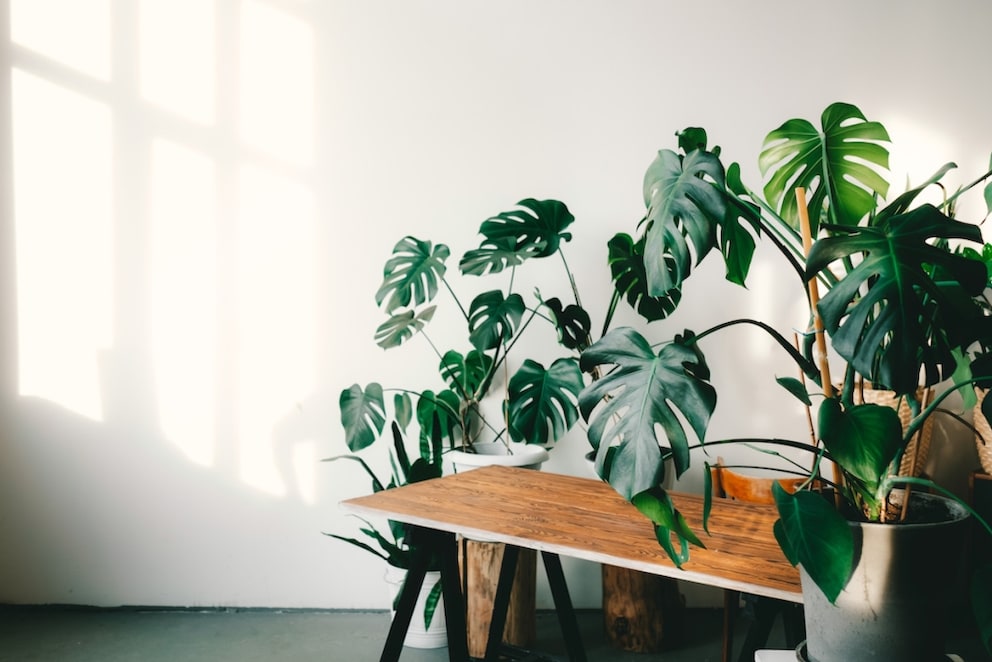
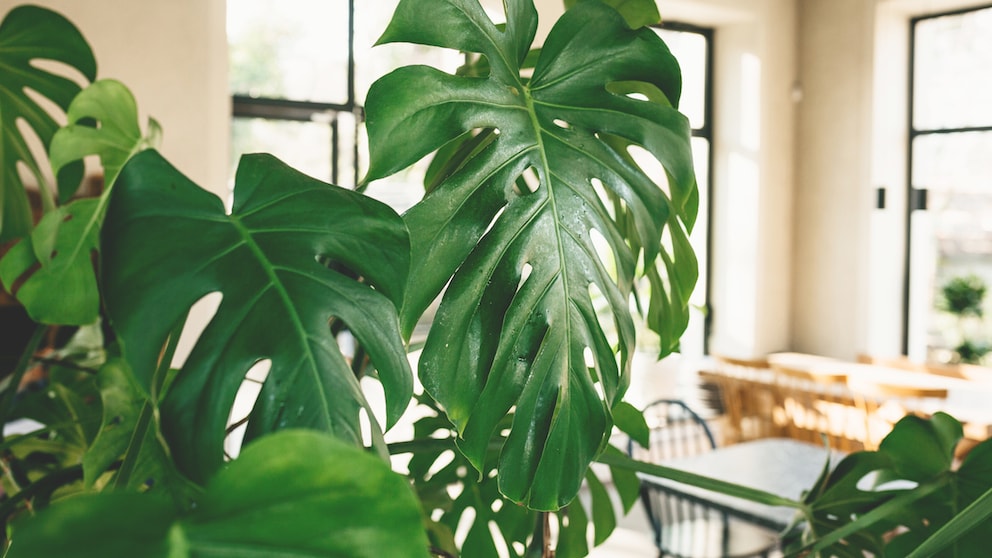
Characteristic of the Swiss Cheese Plant are the holes and splits in its large, dark green leaves–hence the name. As a climbing plant, it should be provided with support, such as a moss pole, to reach its full potential and grow up to three meters tall.
The location should be bright and warm, but direct sunlight should be avoided. The ideal soil is permeable and nutrient-rich. From April to August, feed the large houseplant with fertilizer about every two weeks.
When watering, keep in mind: regularly, but only moderately. The substrate should be evenly moist, but avoid waterlogging. Long shoots or dead leaves can be simply cut off. The sap of the Monstera is toxic, so gloves should be worn when pruning.
4. Elephant Ear (Alocasia odora)
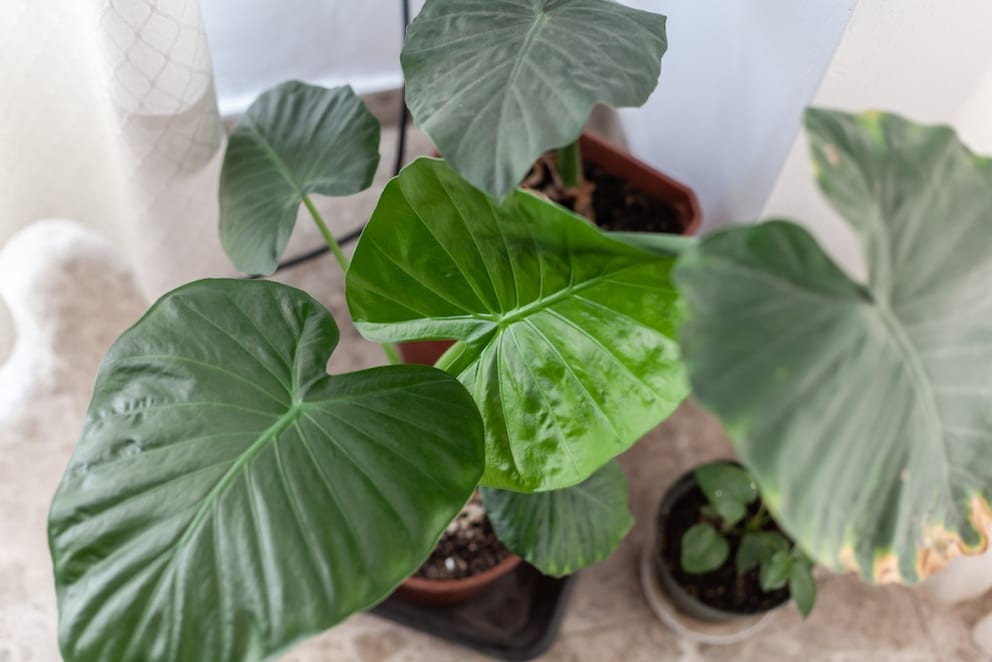
In nature, the Elephant Ear can reach a height of eight meters. But don’t worry: As a houseplant, it will grow to a maximum of two meters. The plant prefers a bright location with indirect light. Direct sunlight would burn the leaves, while too little light would hinder growth. The soil should be permeable and loose.
The Elephant Ear should be watered regularly to keep the substrate consistently moist. However, avoid waterlogging, as it can lead to root rot. In spring and summer, feed the large houseplant every two weeks with a fertilizer through the watering can. The large leaves should be dusted off with a soft cloth and lukewarm water.

5 Popular Houseplants That Don’t Tolerate Relocation

Which Houseplant Fits Your Home Style
5. Banana Plant (Musa)
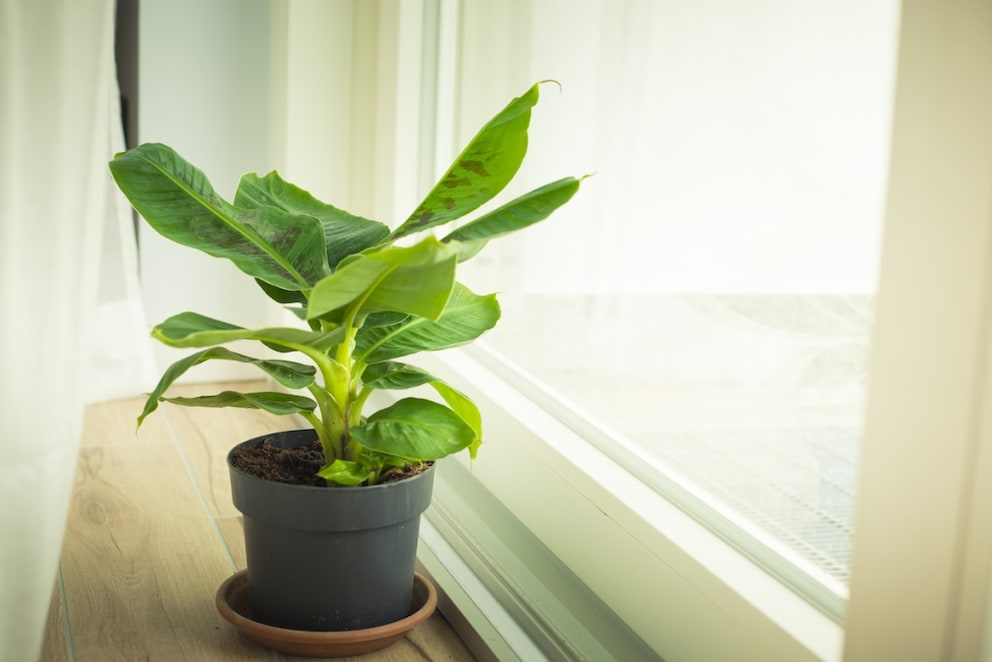
Depending on the species, the Banana Plant can grow between two and seven meters tall. Dwarf varieties are particularly suitable as houseplants. Don’t worry, “dwarf” in this context means up to 250 centimeters. The impressive size and large leaves create a tropical flair in the home. The ideal location is bright and in direct sunlight. The soil should be permeable and nutrient-rich.
The Banana Plant does not tolerate waterlogging, but the soil should still be kept evenly moist. In winter, reduce watering, as the plant’s thirst decreases during this time. Fertilizing is only necessary in spring and summer. About every two weeks, provide the large houseplant with some liquid fertilizer.
6. Indoor Linden (Sparrmannia)
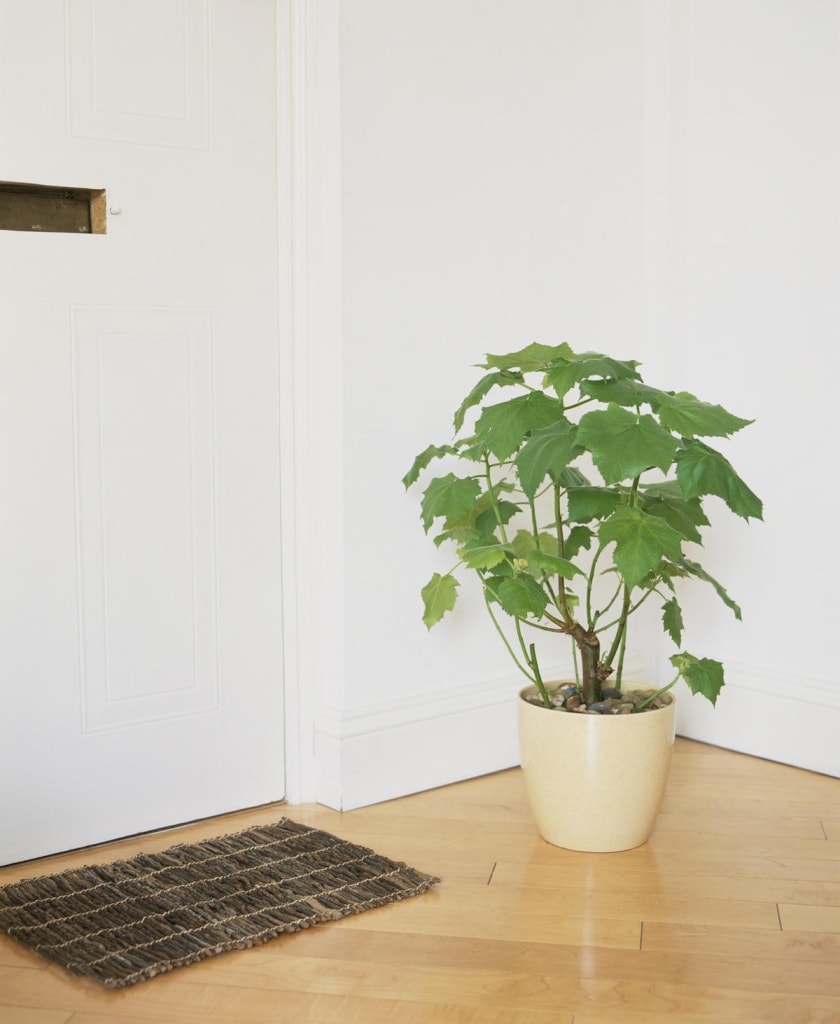
The Indoor Linden prefers a bright location with indirect light. Direct sunlight, especially during midday, can burn the leaves. The soil should be permeable and rich in humus. Regular watering is required to keep the substrate evenly moist. During the growth phase from April to August, add some liquid fertilizer to the watering can.
If you follow these basic care tips, the Indoor Linden can grow up to three meters tall. You can also look forward to its blooms. From winter to early spring, white, star-shaped flowers can be found on the houseplant.