


August 4, 2025, 4:34 am | Read time: 6 minutes
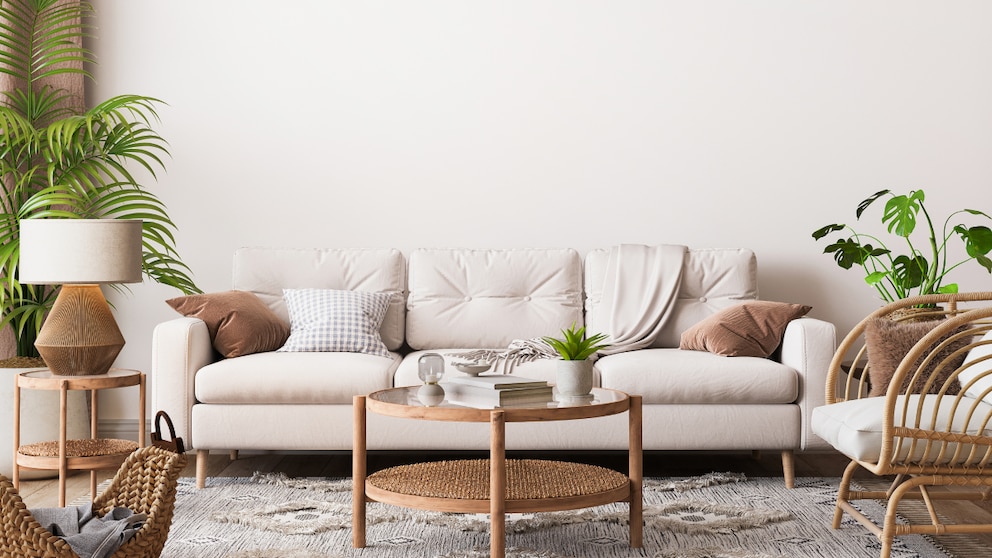
Houseplants are much more than just pretty decor: They bring life into a room, improve the indoor climate, and emphasize the character of the decor. However, not every houseplant suits every interior style. While colorful, playful leaf shapes are ideal in a boho living room, sleek plants perfectly complement the industrial look. myHOMEBOOK reveals which houseplant fits perfectly into each interior style.
Boho Style
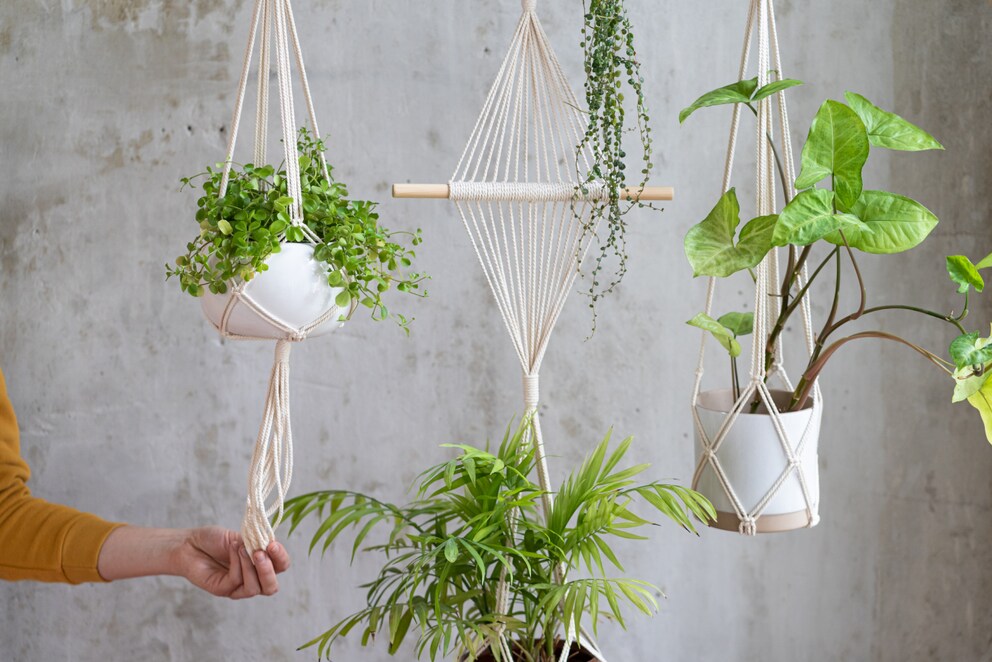
The boho interior style is characterized by a casual, creative, and playful atmosphere. It features natural materials like wood, rattan, and linen, combined with warm, earthy colors and bold accents. Many textiles, including rugs, pillows, and blankets with ethnic, vintage, or oriental patterns, add coziness and depth.
Macramé is also characteristic of the boho style. This knotting technique turns threads or cords into decorative patterns and objects. Macramé works well as decorative wall art or as hangers for houseplants. Plants integrate well into the decor, emphasizing the nature-connected look. Hanging plants like pothos, spider plants, or the popular string of pearls are particularly suitable for macramé hangers that hang from the ceiling. Larger plants with lush greenery also fit well into the look and create a homely atmosphere. Large-leafed plants like the monstera or fiddle leaf fig are especially popular.
When it comes to the boho style, the more plants, the better. They bring life, color, and naturalness into the room and emphasize the relaxed, creative vibe of the decor style.
Industrial
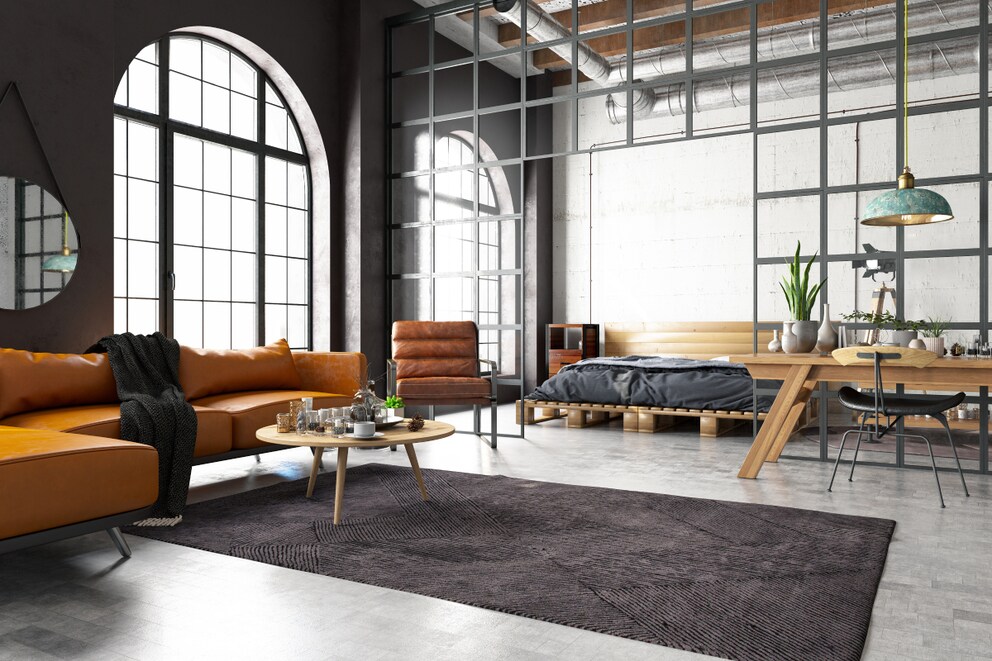
The industrial interior style is characterized by a rough, urban charm reminiscent of old factories and workshops. Typical features include exposed pipes, concrete, metal, dark wood, and a reduced color palette with shades of gray, black, and brown. The look thrives on contrasts: cool yet cozy, raw yet stylish.
Houseplants can be used in the decor to soften the cool, industrial atmosphere and create a natural balance. Large, architecturally striking plants like the bird of paradise or fiddle leaf fig are particularly suitable. The rubber tree and the hardy snake plant also fit well, with their clean lines and striking leaves.
It’s important to use plants minimally: A few strategically placed plants in simple, often dark pots made of concrete or metal emphasize the reduced, urban character of the industrial style.
Country House & Cottagecore
The country house style and the cottagecore trend are characterized by a warm, cozy, and romantically nostalgic atmosphere that celebrates rural life. Typical features include natural materials like wood, linen, and ceramics, light, friendly colors, and lovingly arranged details like lace curtains, antique furniture, or handmade decorations. While the classic country house style often appears more rustic, cottagecore brings a particularly playful, fairy-tale lightness to the home, inspired by English cottages and wildflower meadows.
Houseplants that complement this decor should appear gentle, delicate, and natural. Classic plants like lavender, rosemary, or mint are particularly suitable, finding their place as potted or herb plants on the windowsill. Flowering houseplants like hydrangeas, cyclamen, or geraniums bring color and a romantic touch to the home. Ferns, ivy, or small climbing plants like the heartleaf philodendron also harmonize well with the playful aesthetic.
Also interesting: 7 Ideas for Decorating with Plants
Floral arrangements in old vases, clay pots, or enamel containers enhance the rural character. It’s important to have a natural, slightly playful placement that supports the impression of a lovingly maintained, lively home.
Mid-Century Modern
The mid-century modern interior style combines classic forms with modern materials and a preference for quality and simplicity. It is characterized by organic silhouettes, slightly flared furniture legs, smooth wood surfaces, and subtle color accents in mustard yellow, teal, olive green, or rust red.
Houseplants that stand out for their architectural form are particularly suitable for this decor. The snake plant—also known as mother-in-law’s tongue—impresses with its upright, graphic leaves. Plants with a certain retro flair also fit perfectly into the mid-century look. The fiddle leaf fig, popular in the ’60s and ’70s, is among the favorites. The rubber plant (Ficus elastica) with its glossy dark green leaves adds elegance and structure to the look. For a touch of exoticism, the Kentia palm, with its fine fronds, conveys a hint of ’50s glamour.
In general, houseplants with clear, striking forms and a certain retro flair harmonize ideally with the mid-century style decor.

Which Light Fixture Matches Which Interior Style
7 Ideas for Showcasing Plants Decoratively
Japandi
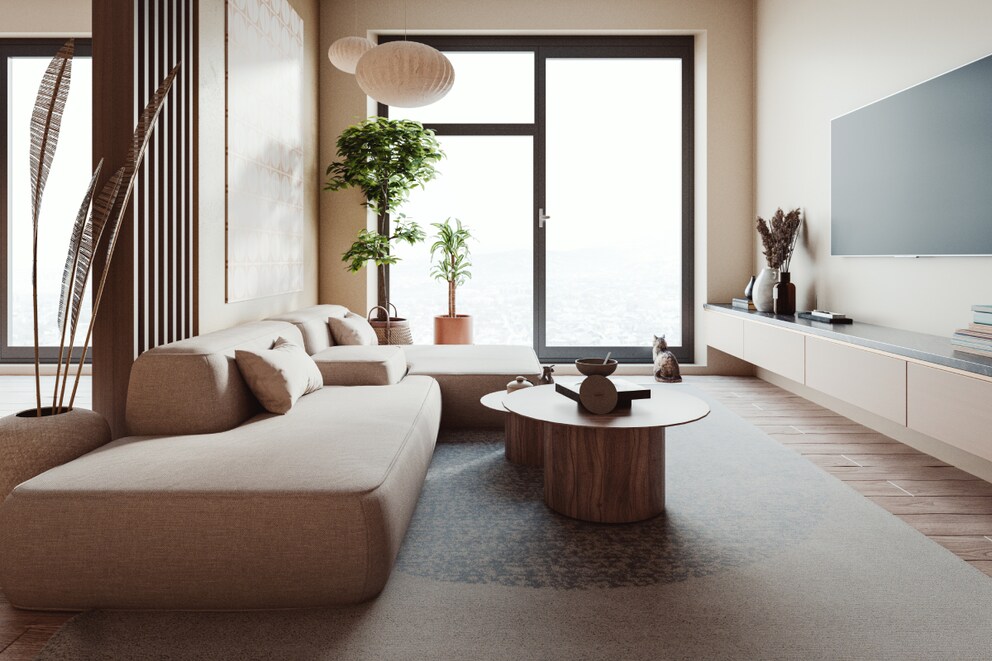
The Japandi interior trend focuses on a reduced, calm, yet cozy look, emphasizing naturalness, clarity, and conscious minimalism. It features subdued colors and furniture and home accessories made from natural materials like wood, clay, or bamboo.
Houseplants play a subtle but important role in the Japandi style. They are meant to emphasize the connection to nature and serve as living, calm accents. Plants with a clear, reduced form language are particularly suitable. The laurel fig, or Chinese fig (Ficus ginseng), with its sculptural rootwork, fits well with the aesthetic demands of the style. Bonsai art is also a suitable choice, directly incorporating Japanese design tradition.
For those who prefer low-maintenance houseplants, the ZZ plant (Zamioculcas zamiifolia) is a good choice, fitting well into the overall look of the decor with its understated elegance. It’s always important that the plant appears as part of the room concept: unobtrusive but deliberately placed.
In addition to houseplants, the Japandi style often uses clay vessels with single branches as decorative elements. These simple, often handmade vessels embody the connection to nature and emphasize the aesthetic restraint of the style.
Urban Jungle

The urban jungle decor trend brings nature back into the living space, transforming it into a green oasis. Numerous houseplants take center stage, not just as decorative elements but as the heart of the decor.
Plants are not only placed on windowsills or in pots but also hung from the ceiling, arranged on shelves, or grouped together to create a lively, almost jungle-like room feel.
This style is particularly suited to large-leafed, expressive houseplants that make a visual impact. The monstera, with its distinctive leaves, is almost a symbol of the urban jungle style. Other popular choices include the alocasia (elephant ear), philodendron, calathea, or the decorative maranta with its unique leaf patterns. Ferns provide soft, lush structures, while climbing plants like pothos enliven walls, shelves, or hanging baskets. Tropical plants like the bird of paradise or banana also find their place. The key is the interplay of many plants in different sizes, heights, and textures: The denser and greener, the better. The urban jungle thrives on lushness, vibrancy, and the joy of growth.