


July 15, 2023, 11:09 am | Read time: 6 minutes
Cabbage has always been a staple of traditional German cuisine. From red to white to savoy cabbage, there are various types of cabbage, each with distinct flavors and visual characteristics. myHOMEBOOK provides an overview of cabbage varieties that thrive in local vegetable gardens.
Cabbage is not only a versatile kitchen ingredient but also offers numerous health benefits. The vegetable is rich in vitamins, minerals, and fiber–important components of a balanced diet. The different types of cabbage also contain phytochemicals with antioxidant properties that can strengthen the immune system. Regular consumption of cabbage promotes digestion, lowers cholesterol levels, and supports a healthy weight. Studies even suggest that cabbage has anti-inflammatory and cancer-fighting properties. But what types of cabbage are there?
Overview
9 Cabbage Varieties at a Glance
Even though many different types of cabbage are grown in Germany and Central Europe, they all originate from wild cabbage. This originally grew only in the Mediterranean region and was harvested and consumed several thousand years ago in what is now Greece and Italy. Today’s varieties are the result of a long agricultural breeding history from wild cabbage to red cabbage, white cabbage, and more.
Black Cabbage
Black cabbage, also known as Tuscan kale or lacinato kale, has dark green, narrow leaves with a slightly wavy texture. It originates from Italy and has gained popularity in Germany in recent years. Black cabbage is particularly rich in vitamins, minerals, and fiber. It is especially suitable for salads, soups, or as steamed vegetables. Black cabbage can be grown relatively easily in Germany, as it adapts to various climatic conditions and is ready for harvest in a short time.

Red Cabbage
Red cabbage is one of the best-known cabbage varieties in Germany. It is characterized by its bright purplish-red to violet color and has a sweet and sour taste. Red cabbage is rich in antioxidants and contains many important nutrients such as vitamin C and vitamin K. It is often served as a side dish with meat dishes, especially holiday roasts. Red cabbage can also be used in salads or pickled to extend its shelf life. Growing red cabbage requires a cool and moist environment, as these are crucial for the deep red color and sweet and sour taste of the cabbage.

White Cabbage
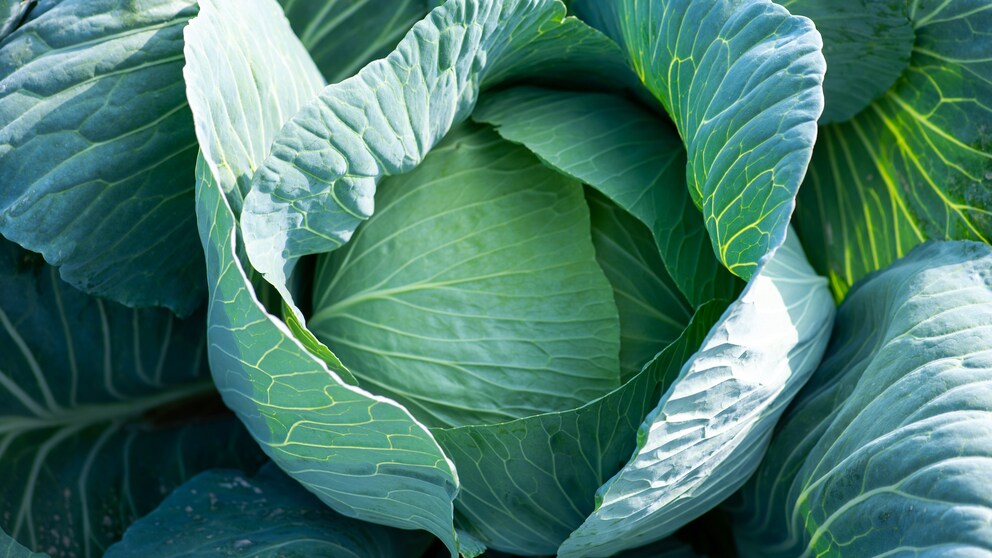
White cabbage is also a versatile cabbage variety that is widespread in Germany. It has large, firm heads with light green leaves and a mild, slightly sweet taste. White cabbage is low in calories and contains a lot of fiber, vitamin C, and potassium. It is often used for coleslaw, sauerkraut, stuffed cabbage rolls, or cabbage soup. White cabbage can also be eaten raw or added to vegetable juices and smoothies. This cabbage variety is frequently grown in our regions because it is very robust and adaptable.

Pointed Cabbage
Pointed cabbage gets its name from its pointed shape. In addition, tender, light green leaves are typical. This cabbage variety has a mild taste and a crunchy texture. Pointed cabbage contains many important nutrients such as vitamin C, vitamin K, and folic acid. It is well-suited for salads, stir-fries, soups, or steamed vegetables. Due to its tender consistency, it is particularly quick to prepare and easy to digest. Pointed cabbage thrives under various climatic conditions and is quickly ready for harvest.

Savoy Cabbage
Savoy cabbage has dark green, crinkled leaves and a slightly nutty taste. It is rich in vitamin C, folic acid, and fiber. Savoy is often used for hearty dishes such as stews, casseroles, or stuffed cabbage rolls. It can also be steamed or used in salads. This cabbage variety prefers cool weather conditions and is resistant to frost and pests.

Brussels Sprouts
Brussels sprouts grow in the form of miniature cabbage heads on a tall stalk. This cabbage variety is rich in vitamin C, fiber, and antioxidants. It is often served cooked, steamed, or roasted and is a popular side dish with meat dishes or as an ingredient in casseroles. Brussels sprouts thrive well in our regions because they have a certain cold resistance and develop a better, sweeter taste in low temperatures.

Kale
Kale, also known as curly kale, is a robust cabbage variety with curly, dark green leaves. It is nutrient-rich and contains a lot of vitamin K, vitamin C, and fiber. Kale is often processed into a traditional winter dish, kale with sausage. However, it can also be steamed, added to smoothies, or used in salads. Kale also benefits from cool temperatures, making it a true winter vegetable.

Napa Cabbage
Napa cabbage, also called Chinese cabbage, has elongated, light green leaves with a mild, slightly sweet taste. It is rich in vitamin C, potassium, and fiber. Napa cabbage is often used for salads, stir-fry dishes, steamed or pickled vegetables. With its crunchy texture and refreshing taste, it is a popular ingredient in Asian cuisine. Like other cabbage varieties, Napa cabbage is a very adaptable vegetable and grows quickly in almost any vegetable garden.

Kohlrabi
Also, kohlrabi is among the cabbage varieties, even though it looks different at first glance. The vegetable does not grow in the form of a head but forms a thick, bulbous stem. Kohlrabi has (depending on the variety) a light, purple, or green skin and a mild, slightly sweet aroma. It is rich in vitamin C, fiber, and potassium. Kohlrabi can be eaten raw or cooked and is well-suited for salads, soups, vegetable stir-fries, or as a snack with dip. The plant needs loose soil and plenty of moisture, then it thrives well even in harsh climates.
