


July 1, 2023, 3:43 am | Read time: 5 minutes
Napa cabbage is a winter vegetable that provides us with many vitamins even when there’s not much happening in the vegetable garden. It has only been cultivated in Europe since the late 19th century, originating from China as its name suggests. myHOMEBOOK offers tips for cultivation, care, and harvest.
Cabbage isn’t everyone’s favorite–a shame, because few vegetables supply us with as many important vitamins and secondary plant compounds in fall and winter as the various types of cabbage. Alongside savoy, white, and red cabbage, napa cabbage has also joined the ranks in local gardens for some time now. It’s also known as Japanese cabbage or celery cabbage. Apart from its use in Asian cuisine, particularly Chinese and Korean, napa cabbage can also be eaten raw in salads.

Overview
Planting Napa Cabbage
Since napa cabbage is harvested in the fall, it can be sown directly outdoors or in pots on the balcony from mid to late June. Frost is no longer a concern, and the small plants will grow quickly. Varieties suitable for winter storage can even be sown as late as July.
Sowing Napa Cabbage
The seeds are sown two to three centimeters deep in rows. There should be 30 centimeters of space between the rows in the bed. If you’re starting napa cabbage in pots outdoors, transplant the plants into individual pots once they have developed their first leaves.
Appearance and Growth
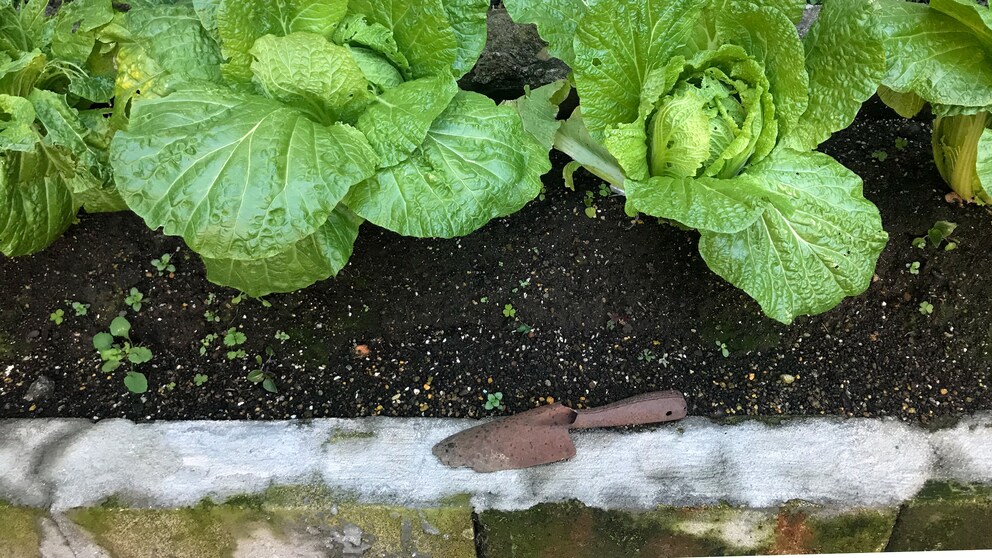
Napa cabbage resembles other cabbage varieties in growth and is similarly veined like savoy cabbage. The dark outer leaves can be confusing. However, once the outer leaves are removed after harvest, napa cabbage is light green, and the lower third of the vegetable is white. This part is particularly crunchy.
Location and Soil
Napa cabbage loves warmth and sun, so it should be at least in partial shade. The soil needs a high nutrient content to optimally supply this heavy feeder. Those who have added compost to the vegetable bed before planting provide the cabbage with ideal conditions for the first few weeks.
Varieties
Depending on the variety, napa cabbage can be stored more or less well. How frost-sensitive the cabbage is also depends on the variety or breeding. An ideal mix includes early varieties and those that can be stored well, ensuring a continuous supply of napa cabbage for the kitchen over many months.
- Richi: This variety can be planted in the vegetable bed particularly early in the year. This is necessary for it to be ready for harvest in the summer. Richi does not store well and should therefore always be consumed fresh. The slightly yellow inner leaves are particularly tender.
- Harmony: This napa cabbage variety should be sown in June or July. The vegetable is excellent for storage and should be ready for harvest in the fall.
- Bilko: Bilko is particularly productive and storable, making it the most widespread variety.
Caring for Napa Cabbage
Napa cabbage is quite undemanding. However, it struggles with waterlogging and pests like clubroot or cabbage white butterfly, which also affect other cabbage varieties.
Watering
Especially in hot summers, it should be watered daily, as napa cabbage needs a lot of water to develop juicy heads. It’s better to water briefly and thoroughly rather than for a long time and in large amounts, as waterlogging is not good for this Asian vegetable.
Fertilization
Napa cabbage grows quickly and vigorously. In addition to the initial compost fertilization, it regularly requires horn meal or a nettle manure infusion.
Pruning
Napa cabbage is only separated from the root ball with a knife at harvest. Before that, individual brown leaves can simply be pinched off.
Winter Hardiness
Many napa cabbage varieties can withstand the first short ground frosts but should be harvested by then. Late varieties can then be stored.
Diseases and Pests
Napa cabbage is significantly more robust than other cabbage varieties, making it a good plant for beginners. However, it can still be reduced by cabbage white caterpillars or affected by the fungal disease clubroot. Protection nets help against airborne threats like cabbage flies. Marigolds are good companion plants for napa cabbage, as they keep nematodes away from the soil.
How Savoy Cabbage Is Grown in the Garden

9 Popular Types of Cabbage Compared
Harvest
Early varieties are ready in the summer, but many are not until October. Then the entire napa cabbage head is cleanly cut off with a knife, and the large outer leaves are removed. The cabbage can now be consumed directly. To store napa cabbage, harvest it with the root and roughly remove the soil. The cabbage heads can then be wrapped in newspaper and stacked upright in a box. In a cool and damp cellar, they can last until the beginning of the next year. If you don’t have a cellar, you can clean, chop, and freeze the ripe cabbage.
Usage
Napa cabbage is particularly suitable for preparing Asian dishes. The well-known Korean dish kimchi is also made from napa cabbage. Additionally, hearty stuffed napa cabbage or stews are warming and nutritious meals in fall and winter that complement this cabbage variety well. The light, particularly crunchy inner leaves are great for all kinds of salads.