


June 2, 2026, 3:09 pm | Read time: 3 minutes
Summer, sun, and sunshine often come with a bowl of sweet strawberries for many. Whether from the supermarket or freshly picked from the garden, these fruits truly complete the summer months. If you can’t wait and pick unripe fruits or find a market offering with lighter specimens, the question arises whether unripe strawberries can ripen after picking.
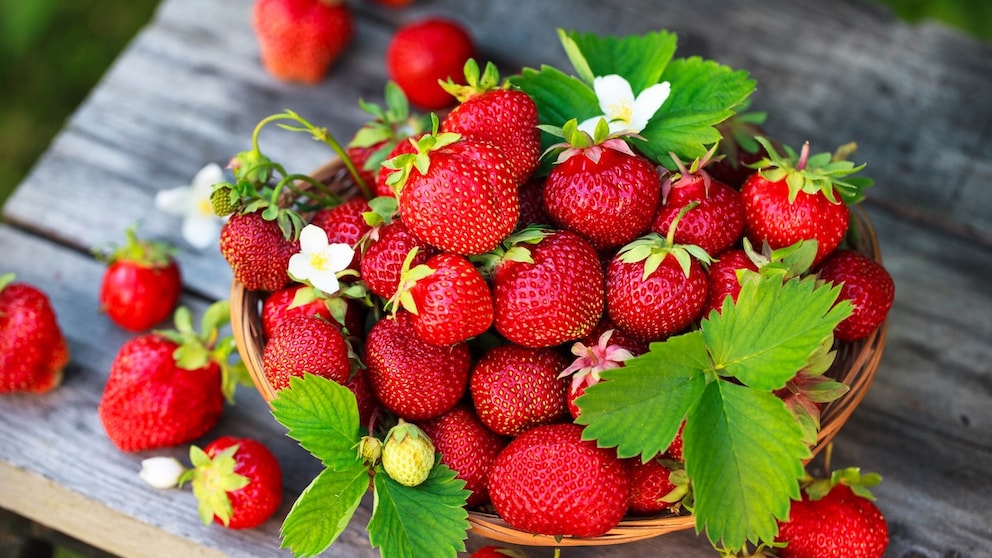
By the way: Strawberries are known for their bright red appearance. The intense color indicates that the fruit is ripe. However, there are also varieties that remain white even when ripe. These are often called pineapple strawberries.
Green Strawberries Stay Green After Harvest
When tomatoes are harvested before they are fully ripe, it’s usually not a problem. The still-greenish fruits continue to ripen on their own after picking. With strawberries, it’s different: Unripe fruits are identified by green or white spots. If picked too early, they do not ripen after harvest.
The reason lies in ethylene. This ripening gas is naturally produced by many fruits. Apples, pears, plums, and apricots produce a lot of ethylene. Tomatoes, avocados, and kiwis also continue to produce it after harvest. Such fruits are called climacteric fruits. Ethylene controls these fruits’ own ripening process and can also accelerate the ripening of nearby fruits.

Foods You Shouldn’t Store Together

Store Kiwis Correctly to Keep Them Edible for Longer
Strawberries Do Not Produce Ethylene
With strawberries, it’s different. “Unlike tomatoes, strawberries release hardly any ethylene after harvest,” explains the Max Rubner Institute, the Federal Research Institute for Nutrition and Food, upon inquiry from myHOMEBOOK. And further: “They belong to the non-climacteric fruits, meaning the strawberry has no inherent ripening process.”
After harvest, the building metabolic processes of the strawberry end. “Only the natural breakdown occurs.” So instead of ripening like tomatoes and others, the strawberry spoils.
The Best Strawberry Variety
“There are many strawberry varieties. My personal favorite is the ‘Mieze Schindler’ variety—an old cultivar that bears small to medium-sized fruit. Don’t let the size put you off; the berries taste incredibly delicious. No cream or chocolate is needed to make them taste good.
Why Strawberries Spoil So Quickly
Strawberries spoil particularly quickly after harvest. This is mainly due to two characteristics of the fruit: First, its skin is very thin. Unlike apples, bananas, or kiwis, strawberries do not have a firm, protective shell. Second, they consist of about 90 percent water. “Due to the thin skin and high water content, strawberries are very susceptible to mold and bacteria,” explains the Max Rubner Institute. The consequences can be rapid mold growth, decay, or drying out of the fruits.
Therefore, strawberries are only limitedly durable. After harvest or purchase, they should ideally be consumed within one to two days.
Note: Strawberries produce hardly any ethylene after harvest. Therefore, they do not ripen further. Due to their high water content and thin skin, the fruits are prone to mold spores and bacteria. Strawberries should only be harvested or purchased when ripe. A ripe fruit can be identified by an intense, even red color and a sweet aroma.