


October 13, 2026, 12:21 pm | Read time: 4 minutes
Anyone wandering through gardens, forests, and meadows in the fall will find many things that look like a good harvest. But not everything that seems tempting is edible. We provide some tips on how to identify poisonous species when foraging in the fall.
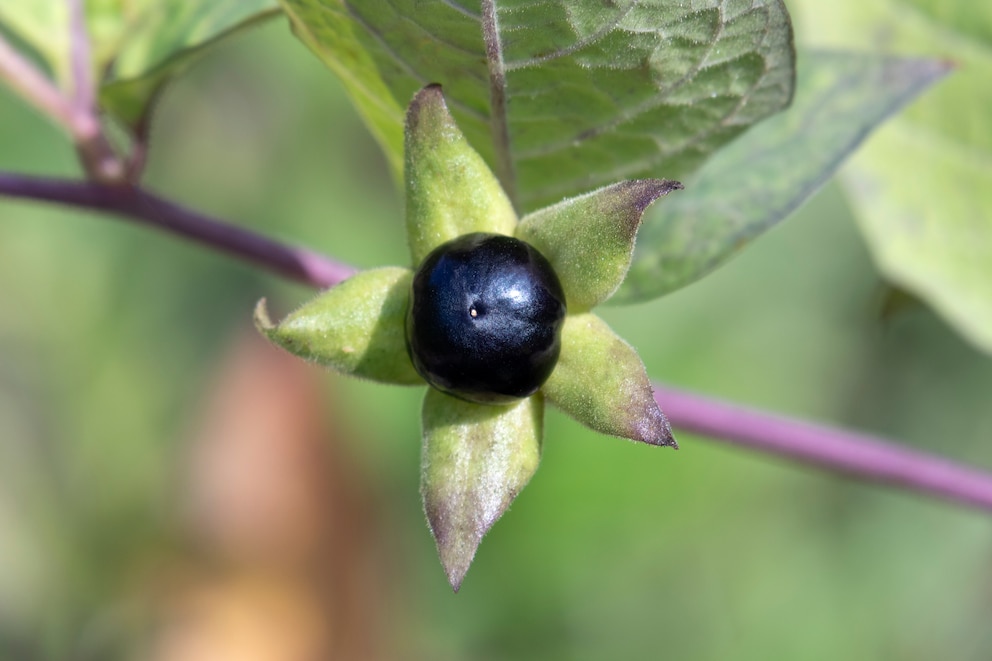
Bitterness is humanity’s built-in poison alarm. We spit out what tastes bitter. But this alarm is not reliable. The deadly nightshade, for example, bears black, shiny fruits well into late fall and tastes hardly bitter, more slightly sweet. With other fruits and mushrooms that invite foraging in the fall, neither appearance nor taste reveals how dangerous they are.
Follow myHOMEBOOK on WhatsApp now
Six Plants or Fruits You Should Not Collect
Autumn Crocus
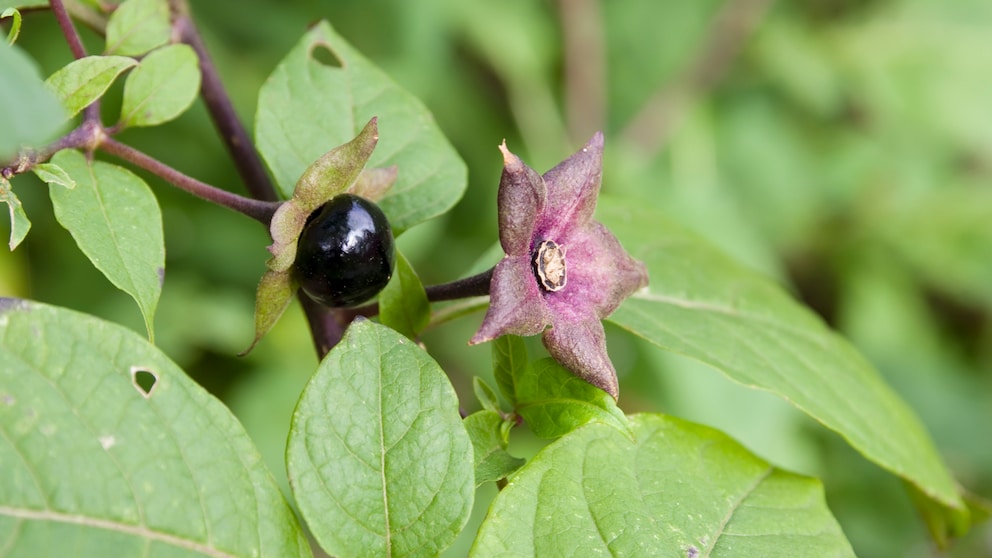
The autumn crocus can be mistaken for several other plants. In spring, it consists only of large, wild garlic-like leaves, while in fall, it displays only pale violet, crocus-like flowers without any green. It grows in moist, nutrient-rich meadows and blooms from August to November. Because its flowers resemble saffron, it is also called meadow saffron. The autumn crocus is highly toxic in all parts.
Pokeweed
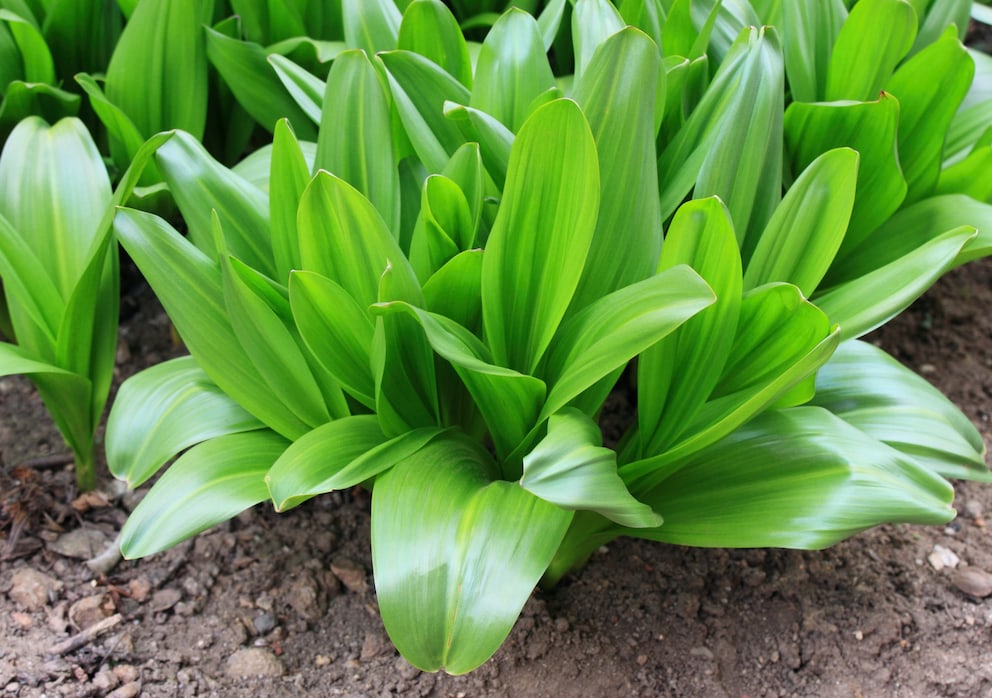
Pokeweed grows along paths and forest edges, in clearings, and in some gardens. It can reach up to two meters in height and attracts with dark red to black, shiny berries from August into the fall, which grow in dense clusters and somewhat resemble blackberries. The entire plant is poisonous.
Yew
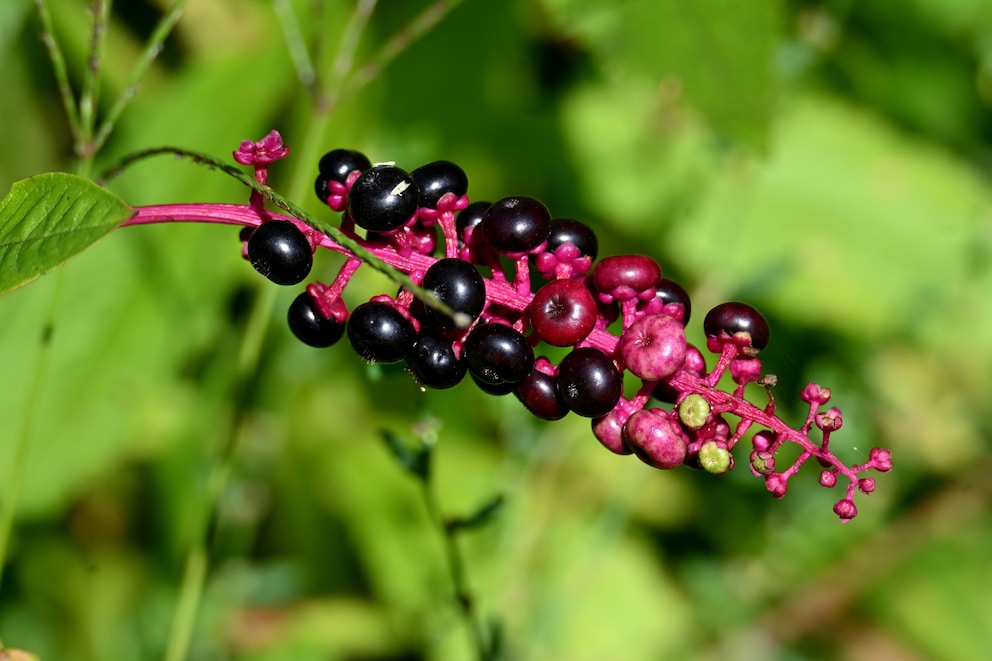
This evergreen conifer is mainly found in hedges, front gardens, and cemeteries, but it can also be found in the wild, though less frequently. The fruits ripen from August and often remain on the plant into winter. The yew is highly toxic in all parts, including the seeds. Only the red, sweet flesh of the fruit is considered non-toxic.
Deadly Nightshade
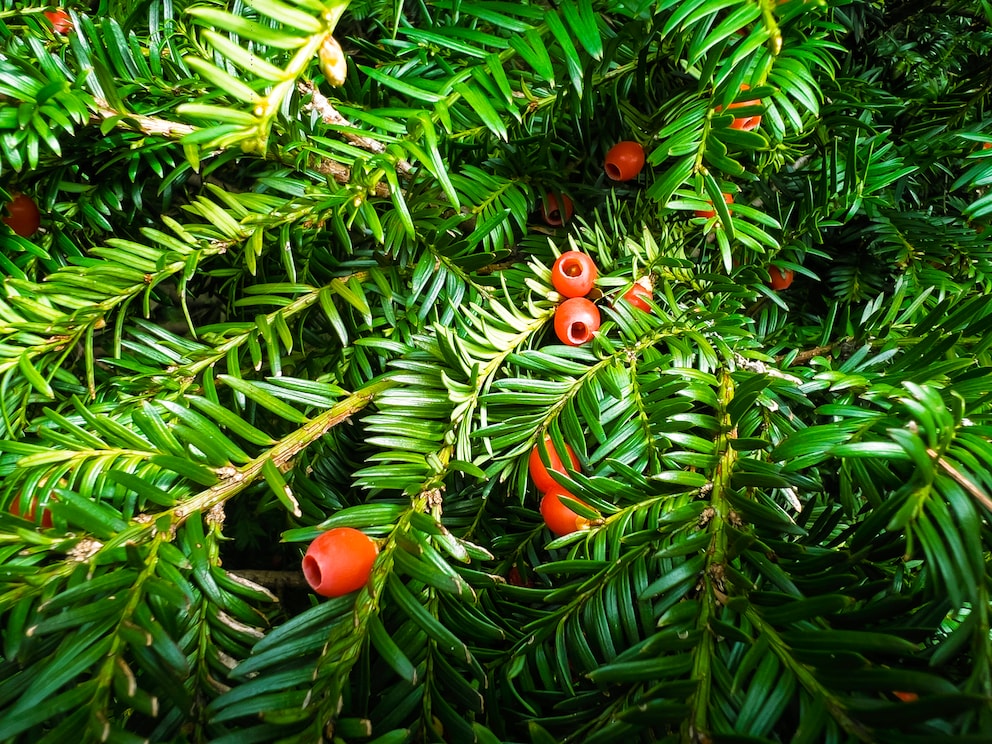
The deadly nightshade is a wild perennial that grows 0.5 to 1.5 meters tall and is found at forest edges, on fallow land, and in clearings. From August to October, it bears cherry-sized, deep black, highly glossy fruits surrounded by a star-shaped calyx. The entire plant is highly toxic. Without careful observation, it could be mistaken for blueberries, which are more matte and slightly frosted.
Spindle
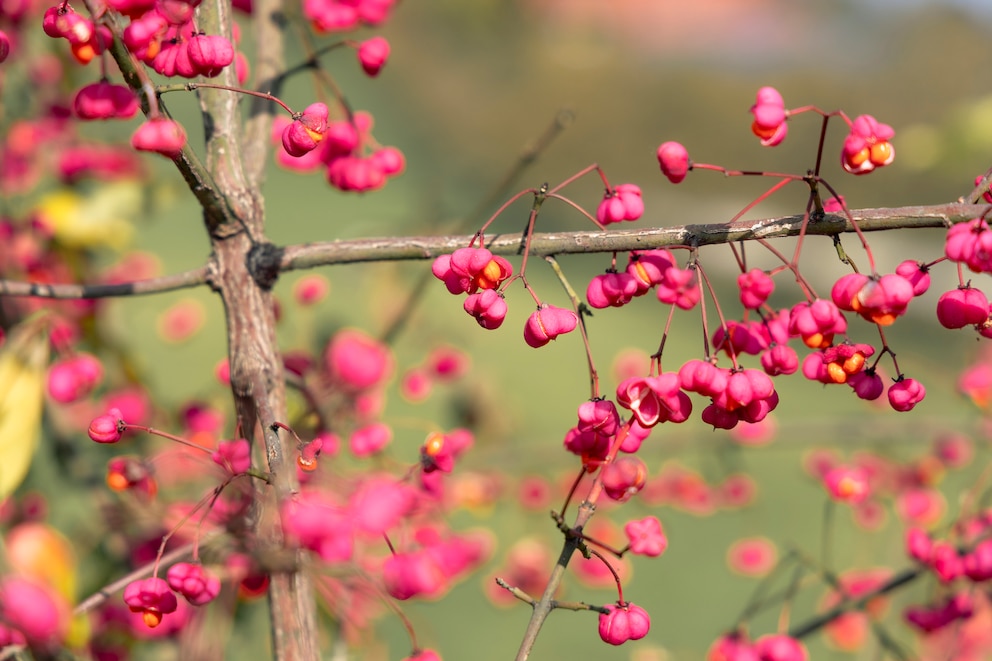
The spindle is a shrub found in hedges, riparian forests, and at forest edges. Its pink capsules with orange seeds, which appear in the fall, look as if they were plucked from a candy bag. But appearances are deceiving. The plant is highly toxic in all parts.
Privet
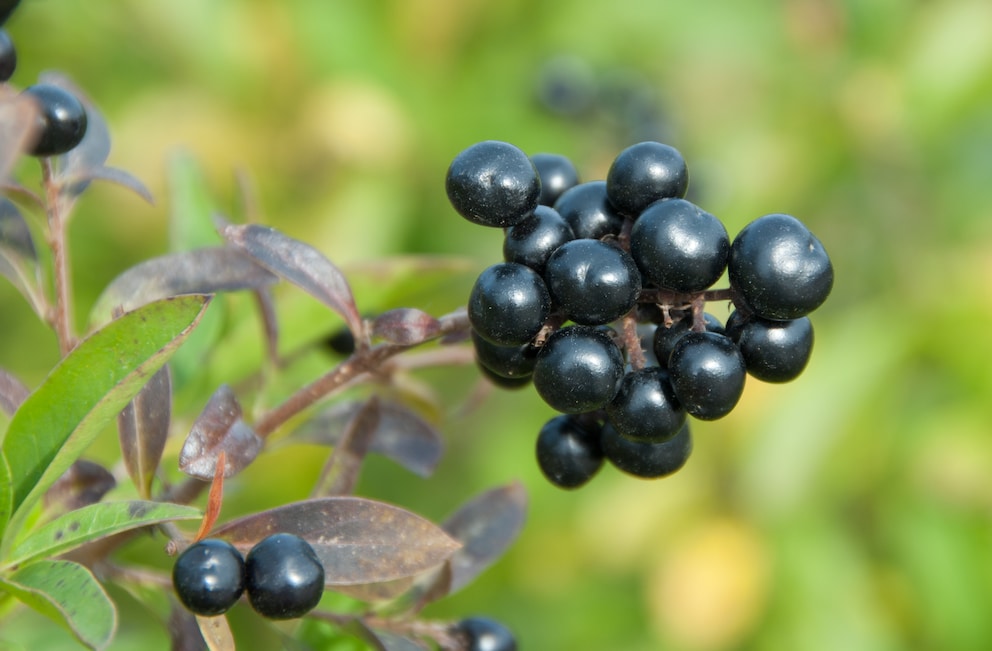
Privet is one of the most popular hedge plants and bears shiny black berries from September well into winter. It is the least harmful candidate on this list and is considered only mildly to moderately toxic, with true poisonings being rather rare.
Also interesting: 4 fruits you can collect and eat in the fall
Three Mushrooms You Should Leave Alone
Mushrooms are tricky because they are particularly easy to confuse. Therefore, only collect mushrooms that you know very well. A quick comparison with a book, app, or the internet can go wrong.
Death Cap
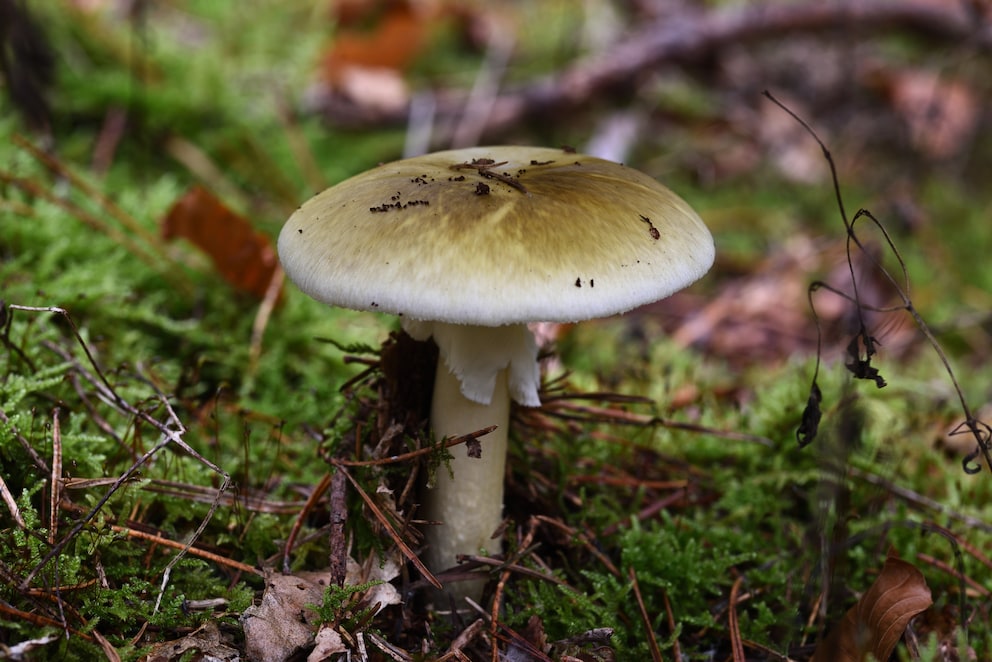
The death cap causes the most fatal mushroom poisonings in Germany. It is found mainly in deciduous forests from July to October and has a greenish to brownish cap. The mushroom emits a sweet aroma and is said to taste very pleasant. The meadow mushroom and the green russula look similar enough to deceive collectors.
Also interesting: Can you sell mushrooms you collect yourself?
Funeral Bell
The funeral bell is a small, brownish mushroom with a convex to flat cap and yellow to rust-brown gills. It often grows in groups but can also appear individually. Its main season is from September to November. In terms of toxicity, it is on par with the death cap. It grows on deadwood, just like the similarly edible velvet shank. Both can grow together.
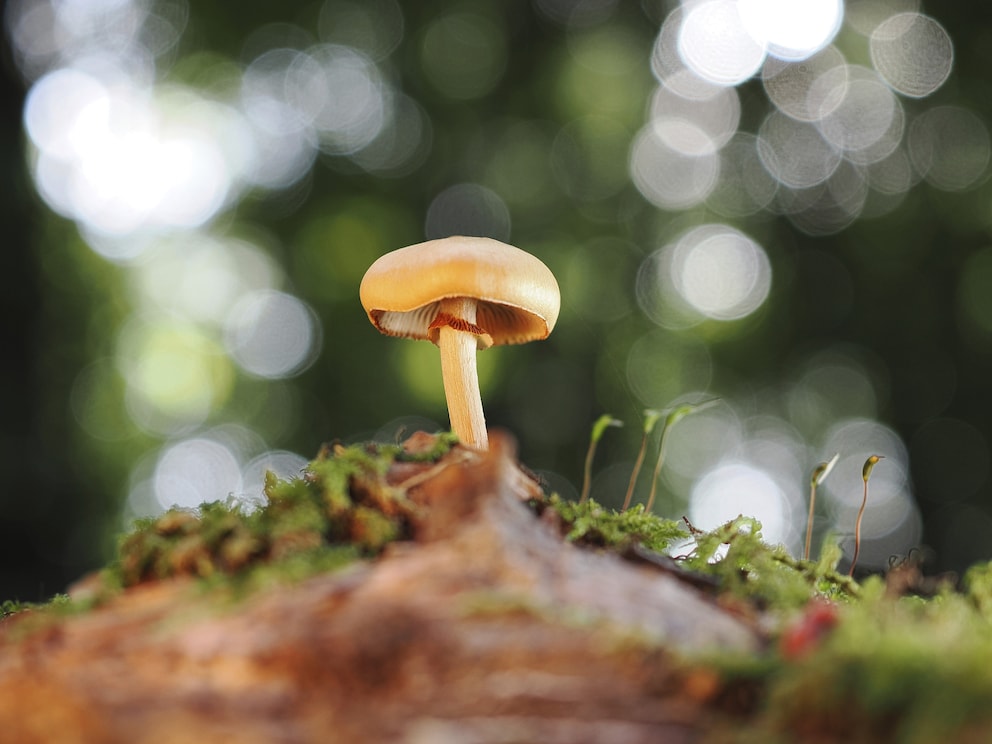
Deadly Webcap
The deadly webcap is also among the most poisonous mushrooms in our forests. It has a long stem, a fox-brown cap, and is often sharply humped. It is found in coniferous forests from August to October. Particularly insidious: Its toxin damages the kidneys, but symptoms appear only after many days. By then, the meal is long forgotten, and few people associate the first symptoms with the mushroom. It resembles young chanterelles.